

12V Deep Cycle Solar Battery for Wholesale & Project Supply
AGM, gel, and LiFePO4 configurations built for repeated solar charge/discharge duty.
Manufactured in-house with automated cell sorting and full lifecycle testing, so your field warranty exposure stays predictable across every batch.
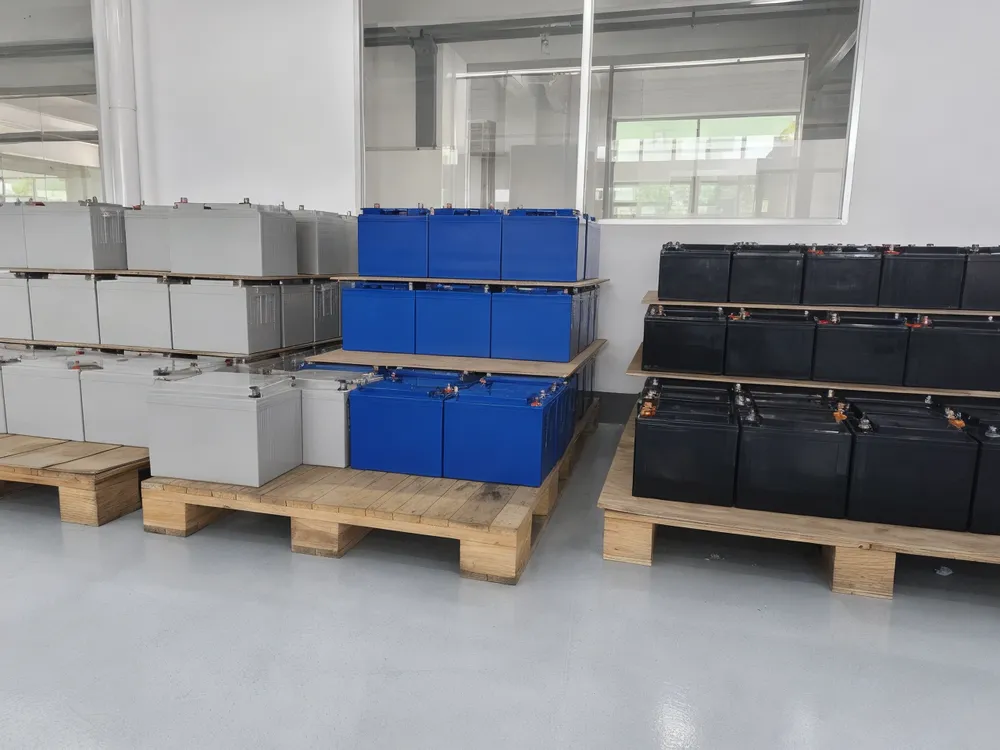
12V Deep Cycle Solar Battery Built for Repeat Solar Storage Orders
A 12V deep cycle solar battery is designed to discharge and recharge hundreds — or thousands — of times under solar charge conditions. That distinction matters for your procurement because it determines warranty exposure, replacement intervals, and how you position the SKU to your downstream customers.
We manufacture 12V deep-cycle batteries in AGM, gel, and LiFePO4 chemistries at our 9,900m² facility in Zhongshan, Guangdong. Six production lines, 2,000,000 units annual capacity, and 13 years of solar-only focus. The range covers 50Ah through 300Ah depending on chemistry, with standard models shipping from existing tooling and custom configurations available through our OEM/ODM program.
This page covers what you need to build an RFQ: specifications, chemistry selection, market-segment fit, production controls, customization boundaries, export documentation, and packing. If you already know your chemistry, you can also explore our 12V solar battery range for charger and backup system options.
Send your 12V deep-cycle battery RFQ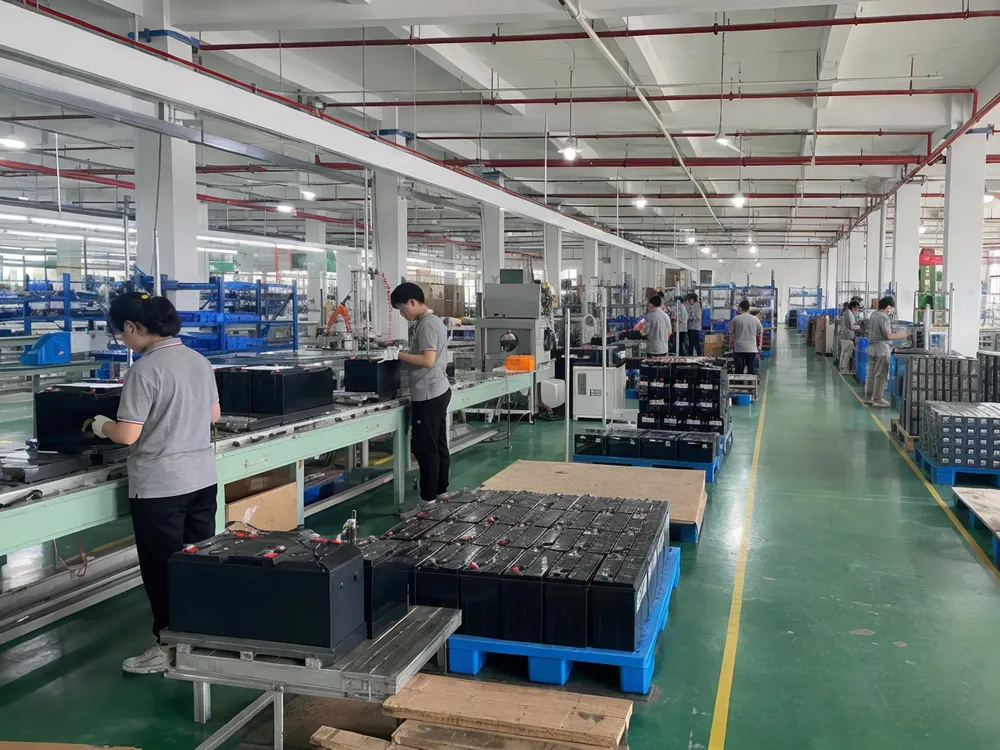
Specifications for Procurement Comparison
The table below covers industry-typical parameters across our 12V deep cycle solar battery range. Use it to compare against your project requirements or existing supplier datasheets.
| Parameter | AGM / VRLA | Gel (Sealed Lead-Acid) | LiFePO4 (Lithium) |
|---|---|---|---|
| Nominal voltage | 12V (6 cells × 2V) | 12V (6 cells × 2V) | 12.8V (4 cells × 3.2V) |
| Common capacity bands | 50Ah, 100Ah, 150Ah, 200Ah | 50Ah, 100Ah, 150Ah, 200Ah, 250Ah | 50Ah, 100Ah, 150Ah, 200Ah, 300Ah |
| Cycle life (50% DOD) | 400–600 cycles typical | 600–800 cycles typical | 3,000–5,000 cycles typical |
| Charge voltage (float) | 13.5–13.8V | 13.5–13.8V | 14.2–14.6V (BMS-managed) |
| Operating temperature | -15°C to +50°C | -20°C to +55°C | -20°C to +60°C |
| Self-discharge rate | ~3% per month | ~2% per month | <3% per month |
| Terminal options | F2, M6 bolt, M8 bolt | F2, M6 bolt, M8 bolt | M6 bolt, M8 bolt, Anderson connector |
| Case material | ABS | ABS | ABS or steel enclosure |
| Weight (100Ah reference) | ~28–32 kg | ~30–34 kg | ~10–13 kg |
| BMS included | No (VRLA self-regulating) | No (sealed design) | Yes — integrated over-charge, over-discharge, over-current, short-circuit, temperature protection |
| Specifications shown are industry-standard values for this product type. Actual specifications vary by model and configuration. Contact us for detailed product datasheets. | |||
AGM / VRLA
- Nominal voltage
- 12V (6 cells × 2V)
- Capacity bands
- 50–200Ah
- Cycle life (50% DOD)
- 400–600 cycles
- Charge voltage (float)
- 13.5–13.8V
- Operating temp
- -15°C to +50°C
- Self-discharge
- ~3%/month
- Terminals
- F2, M6, M8
- Case
- ABS
- Weight (100Ah)
- ~28–32 kg
- BMS
- No (self-regulating)
Gel (Sealed Lead-Acid)
- Nominal voltage
- 12V (6 cells × 2V)
- Capacity bands
- 50–250Ah
- Cycle life (50% DOD)
- 600–800 cycles
- Charge voltage (float)
- 13.5–13.8V
- Operating temp
- -20°C to +55°C
- Self-discharge
- ~2%/month
- Terminals
- F2, M6, M8
- Case
- ABS
- Weight (100Ah)
- ~30–34 kg
- BMS
- No (sealed design)
LiFePO4 (Lithium)
- Nominal voltage
- 12.8V (4 cells × 3.2V)
- Capacity bands
- 50–300Ah
- Cycle life (50% DOD)
- 3,000–5,000 cycles
- Charge voltage (float)
- 14.2–14.6V (BMS)
- Operating temp
- -20°C to +60°C
- Self-discharge
- <3%/month
- Terminals
- M6, M8, Anderson
- Case
- ABS or steel
- Weight (100Ah)
- ~10–13 kg
- BMS
- Yes — integrated protection
Specifications shown are industry-standard values. Contact us for detailed datasheets.
Applications & Use Cases
Our deep-cycle batteries power critical systems across Southern Africa — from rural telecommunications towers to off-grid homesteads and commercial solar installations.
Solar Energy Storage
Store solar energy for overnight use in residential and commercial off-grid or hybrid systems. Our LiFePO4 range delivers maximum usable capacity with minimal degradation over thousands of cycles.
Telecommunications
Reliable backup power for cell towers, repeater stations, and fibre nodes. Our Gel batteries excel in high-temperature cabinet environments with minimal maintenance requirements.
UPS & Backup Power
Keep essential loads running during load-shedding and grid outages. AGM batteries provide cost-effective standby power for homes, offices, and retail environments.
Security Systems
Uninterrupted power for CCTV, electric fencing, access control, and alarm panels. Low self-discharge ensures readiness even after extended standby periods.
Marine & Leisure
Power boats, caravans, and overlanding rigs with vibration-resistant, spill-proof batteries designed for harsh mobile environments and deep cycling demands.
Agriculture & Farming
Solar-powered borehole pumps, electric fencing, and remote monitoring systems. Built to perform in extreme heat and dust with minimal maintenance intervals.
Why Choose Our Deep-Cycle Batteries
We combine proven technology with local expertise to deliver energy storage solutions that perform in African conditions.
Quality Certified
All products meet IEC, SANS, and UN38.3 standards. Backed by comprehensive warranties up to 10 years on LiFePO4 models.
Local Stock & Support
Warehoused in South Africa for fast dispatch. Local technical support team available for sizing, installation guidance, and after-sales service.
Competitive Pricing
Direct-from-manufacturer relationships keep costs low. Volume discounts available for installers, resellers, and project developers.
Long Service Life
Engineered for deep-cycle duty with superior plate construction and advanced BMS technology that maximises return on investment.
Frequently Asked Questions
Common questions about selecting and using deep-cycle batteries.
What is the difference between a deep-cycle battery and a car battery?
A car (starter) battery is designed to deliver a short, high-current burst to crank an engine, then immediately recharge from the alternator. It uses thin plates to maximise surface area for quick discharge. A deep-cycle battery uses thicker, denser plates designed to be discharged to 50% or more of capacity repeatedly without damage. Using a car battery for deep-cycle applications will dramatically shorten its life.
How do I choose between AGM, Gel, and LiFePO4?
AGM is the most cost-effective option for standby/UPS applications where cycling is infrequent. It handles moderate temperatures well and requires no maintenance.
Gel excels in high-temperature environments and applications requiring deeper regular cycling. It offers better cycle life than AGM and superior performance in partial state-of-charge conditions common in solar systems.
LiFePO4 is the premium choice for daily cycling applications like solar storage. Despite higher upfront cost, the 3,000–5,000 cycle lifespan, lighter weight, and higher usable capacity (80–100% DOD) deliver the lowest cost per kWh over the battery's lifetime.
Can I mix different battery types or capacities in one bank?
No. Always use batteries of the same type, capacity, age, and manufacturer in a bank. Mixing different batteries causes imbalanced charging and discharging, which accelerates degradation of the weaker cells and can create safety risks. When expanding a system, it is better to create a separate battery bank than to add new batteries to an existing aged bank.
What depth of discharge (DOD) should I use daily?
For lead-acid batteries (AGM and Gel), limit daily DOD to 50% to achieve rated cycle life. Discharging beyond 50% regularly will significantly reduce total cycles. For LiFePO4 batteries, you can safely use 80–90% DOD daily without meaningful impact on cycle life, thanks to the inherent chemistry stability and BMS protection.
Do your LiFePO4 batteries work with any inverter?
Our LiFePO4 batteries are compatible with most modern hybrid and off-grid inverters that support lithium battery settings (charge voltage 14.2–14.6V, cut-off voltage ~10.8V). Popular compatible brands include Victron, Deye, Sunsynk, Growatt, and Mecer. Your inverter must have a lithium battery profile or allow custom charge parameters. Contact our technical team if you need help confirming compatibility with your specific inverter model.
What warranty do you offer?
Warranty terms vary by product line: AGM batteries carry a 1–2 year warranty, Gel batteries carry a 2–3 year warranty, and LiFePO4 batteries carry a 5–10 year warranty depending on model and capacity. All warranties cover manufacturing defects and premature capacity loss below 80% when used within specified parameters. Full warranty terms are provided with each product.
Ready to Power Your Project?
Whether you need a single battery or a full bank for a commercial installation, our team is ready to help you find the right solution. Get a quote or request technical assistance today.
Certifications and Trust Indicators
AGM, Gel, and LiFePO4 — Choosing Chemistry by Market Tier
Chemistry selection is a commercial decision, not just a technical one. Each option positions differently in your downstream market.
12V AGM Solar Battery
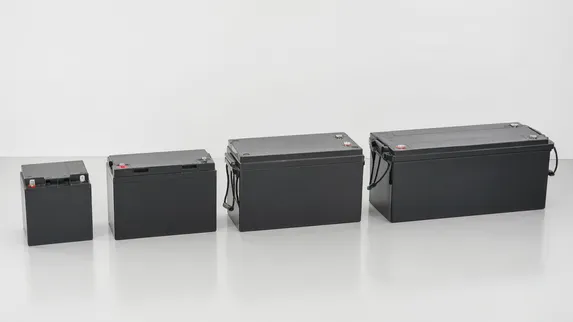
AGM (Absorbed Glass Mat) is the familiar replacement battery for existing 12V solar installations worldwide. Your buyers already know the form factor, the charge profile works with most legacy controllers, and the price point keeps your landed cost competitive.
We ship 12V AGM solar batteries in 50Ah through 200Ah — the sweet spot for solar home system kits and small backup applications where the installed base expects lead-acid drop-in replacements.
Trade-off:
Cycle life is shorter (400–600 cycles at 50% DOD), so your customers replace more frequently. For distributors, that means predictable reorder volume. For project contractors, it means budgeting replacement cycles into the total cost of ownership.
12V Lead Acid Solar Battery — Gel Configuration
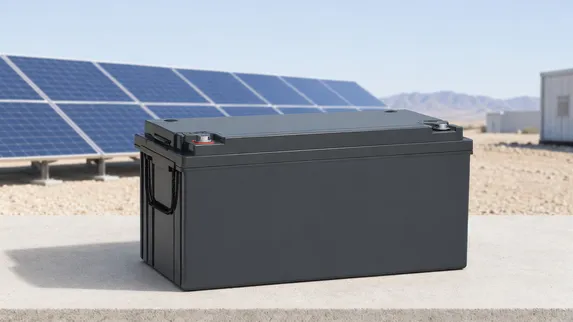
Gel batteries use silica-gel immobilized electrolyte, which handles high ambient temperatures better than AGM and tolerates deeper discharge without accelerated plate sulfation.
We recommend gel for hot-climate off-grid programs — Sub-Saharan Africa, Middle East, and tropical Southeast Asia — where maintenance-free operation and heat tolerance are non-negotiable.
We learned early on that AGM warranty claims spike in markets where ambient temperatures regularly exceed 40°C. Gel solved that for our African distributors.
LiFePO4 — Premium Positioning with Integrated BMS
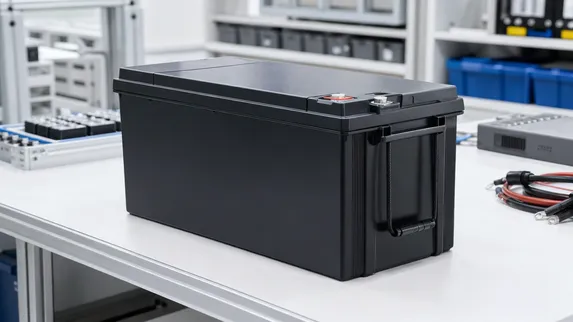
LiFePO4 at 12.8V nominal gives you a higher-ticket SKU with 5–8× the cycle life of lead-acid. The integrated BMS handles all protection functions, so your downstream installer doesn't need external charge controllers with lithium-specific profiles.
Weight savings (roughly 60% lighter than equivalent lead-acid) open the RV, marine, and portable power segments where weight is a selling point.
Commercial logic:
Higher upfront cost, but dramatically lower cost-per-cycle. Position it to buyers who calculate total cost of ownership rather than purchase price alone.
One Factory, Both Chemistries
We run both lithium and lead-acid lines under one roof. If your catalog spans budget and premium tiers, we can quote both chemistries on a single purchase order and ship them in one container.
Market Segments Where 12V Deep-Cycle Batteries Move Reliably
Every segment below represents a repeatable order pattern, not a one-time sale. We've shipped into all of them and can advise on capacity, chemistry, and packing based on what actually moves.
Solar Home System Kits — Off-Grid Rural Markets
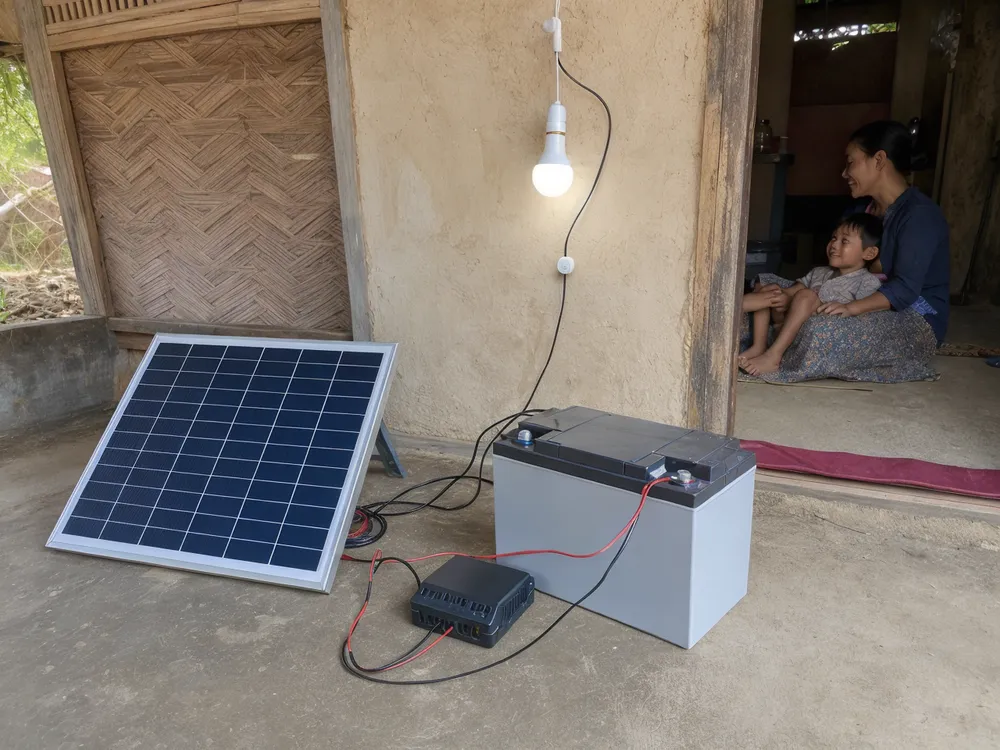
The largest volume segment for 12V deep cycle solar batteries globally. Kit assemblers and NGO procurement programs pair a 12V battery (typically 100Ah–200Ah gel or AGM) with a small panel and charge controller. Orders run 500–5,000 units per shipment, with quarterly or semi-annual reorders as distribution networks expand.
Your margin depends on landed cost per unit and warranty claim rate. Gel chemistry in the 100Ah–150Ah range gives the best balance of cycle life, heat tolerance, and freight cost for this segment.
Replacement Battery Distribution — Existing 12V Installations
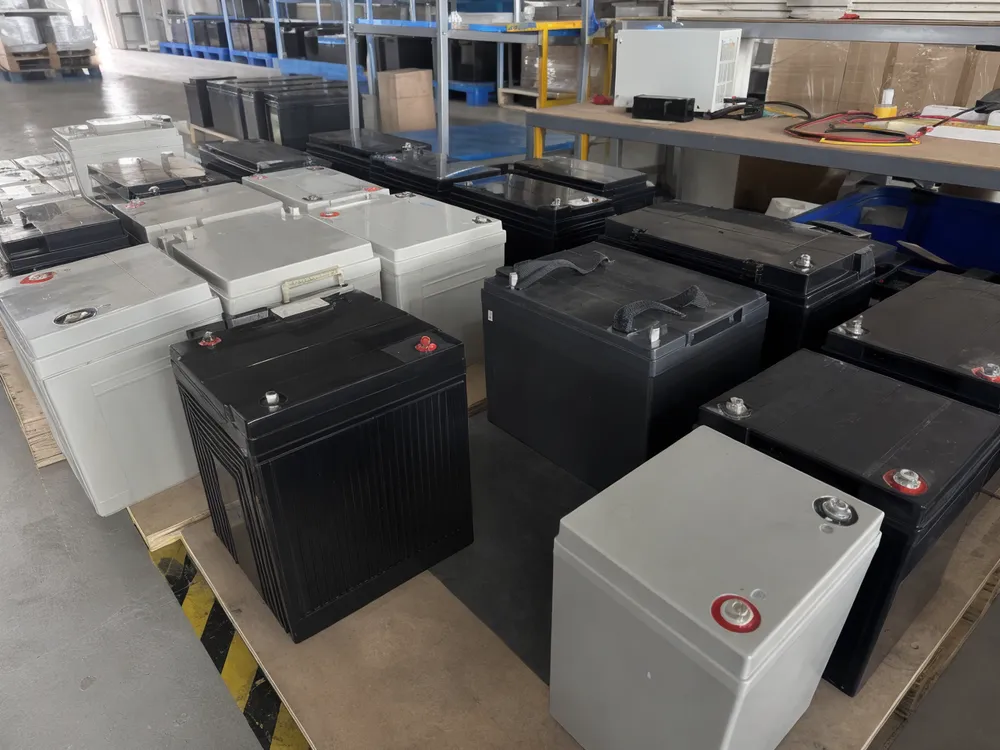
Millions of 12V solar systems are already installed across Africa, Southeast Asia, and South America. Batteries wear out every 2–4 years. If you stock the right capacity and terminal configuration, you capture aftermarket demand without competing on system price.
AGM and gel in 50Ah–150Ah are the primary replacement SKUs — match the terminal type (F2 or M6 bolt) to the installed base in your market.
Underrated segment: The replacement cycle is predictable, the buyer already knows what they need, and you're not competing against full-system pricing.
Small Telecom, CCTV, and Security Backup
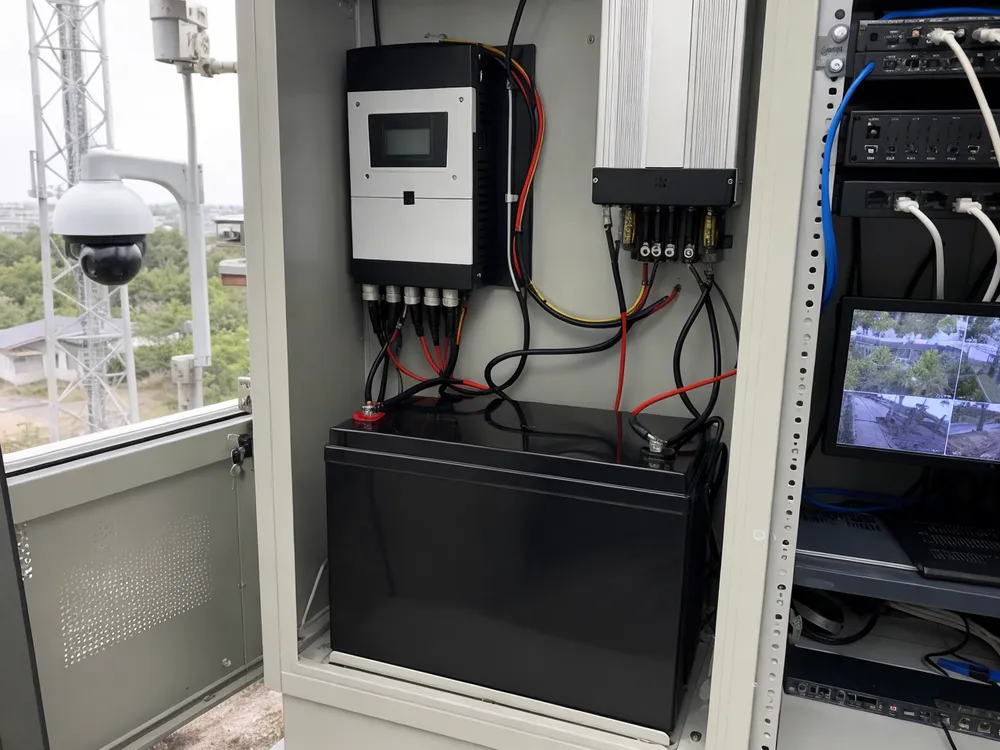
Telecom tower operators, CCTV installers, and gate/alarm system integrators need 12V batteries that handle daily cycling from solar panels and provide reliable backup during grid outages or nighttime. Typical capacity: 100Ah–200Ah. Cycle duty is moderate (one cycle per day), but reliability expectations are high — a dead battery means a dark camera or a silent alarm.
LiFePO4 is gaining share here because the 3,000+ cycle life means fewer site visits for replacement. Your value proposition to this segment: lower total maintenance cost and fewer truck rolls.
RV, Marine, and Mobile Power Aftermarket
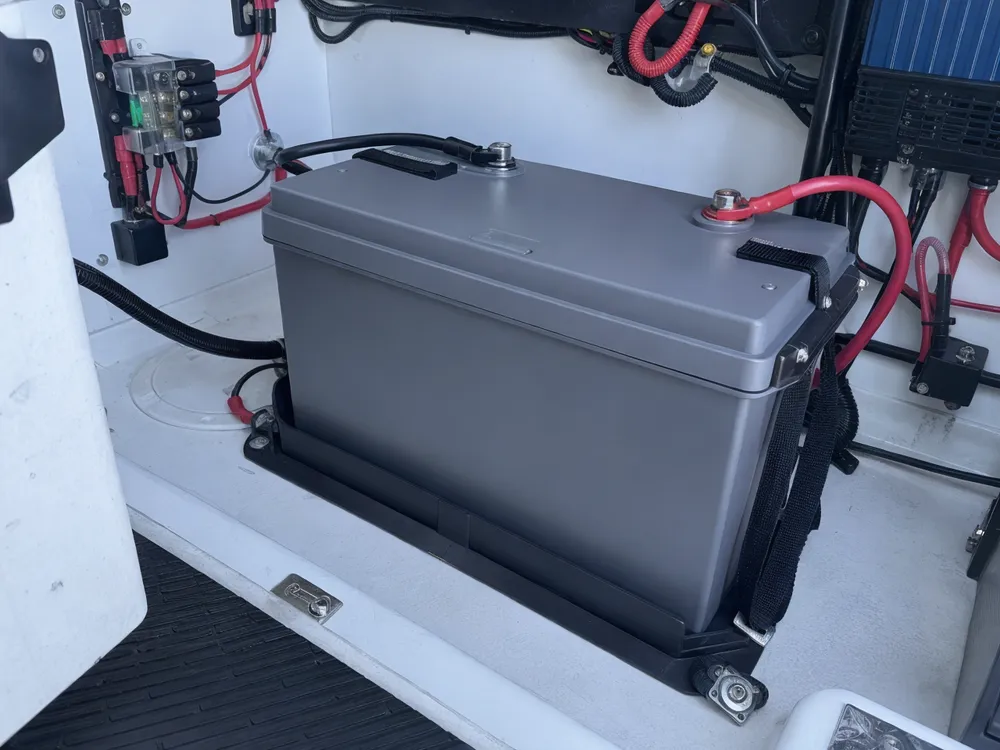
12V deep-cycle batteries for RV house power, marine auxiliary systems, and portable solar setups represent a growing aftermarket segment in Europe, North America, and Australia. LiFePO4 dominates new installations due to weight savings and cycle life. Typical orders: 200–2,000 units per quarter from specialty distributors.
This segment pays premium pricing and values brand presentation — private-label packaging and clean product design matter here.
NGO and Rural Electrification Tenders
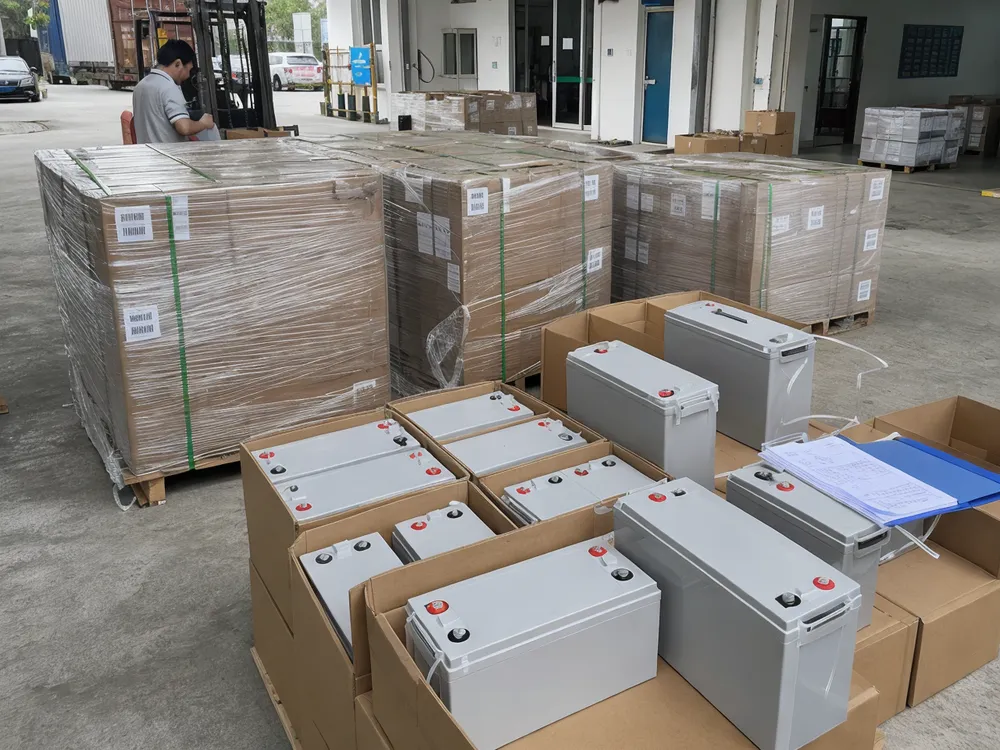
Government and NGO-funded electrification projects purchase 12V solar batteries in bulk (1,000–10,000 units) with strict documentation requirements: UN38.3, IEC 62133, and sometimes country-specific certifications. Lead times are longer but order values are substantial.
We support tender documentation packages including test reports, factory audit records, and compliance certificates.
Need help matching a 12V battery to your target market?
Tell us your segment, volume, and destination — we'll recommend chemistry, capacity, and packing.
For application-led backup system projects, see our 12V solar battery backup page.
Production Controls That Protect Your Cycle-Life Claims
When you print "600 cycles" or "3,000 cycles" on your product label, your warranty exposure depends on whether the factory actually controls the variables that determine cycle life. Here's what we control — and why it matters for your claim rate.
Automated Cell Sorting and Matching
Cells within a single pack are grouped within 20mV voltage and 5mΩ internal resistance. Tight matching prevents the weakest cell from dragging down the pack — the number-one cause of premature capacity fade in multi-cell configurations.
We sort every incoming batch regardless of the supplier's own grading. Supplier labels are a starting point, not a guarantee. We've rejected batches from established suppliers when our incoming test showed drift beyond tolerance.
Full Lifecycle Testing on Every Production Batch
Not just type-approval samples — every batch goes through:
- Capacity verification
- Charge/discharge cycling
- 55°C high-temperature soak
- -20°C low-temperature discharge
- Safety testing
If a batch shows capacity below 98% of rated, it doesn't ship. This is the difference between a cycle-life claim backed by production data and one backed by a datasheet from the cell supplier.
In-House BMS Design for Lithium Packs
We design and manufacture BMS boards internally — 18 engineers focused on battery pack and BMS development. Protection parameters are matched to the actual cells in your pack:
- Over-charge cutoff
- Over-discharge cutoff
- Balancing current
- Temperature limits
Generic third-party BMS modules use approximated thresholds that may not match your specific cell batch characteristics.
Separated Lithium and Lead-Acid Production Zones
Different ventilation, different handling protocols, different QC checkpoints. Cross-contamination between electrolyte types is a real risk at factories that run both on shared lines.
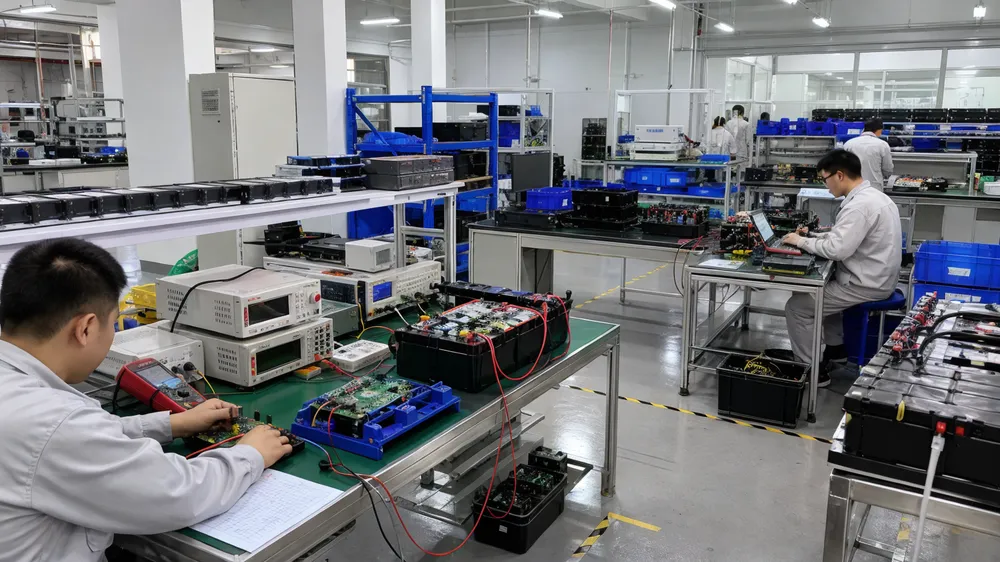
These controls exist because we've been a deep cycle solar battery manufacturer for 13 years and we've seen what causes field failures. Every process step traces back to a specific failure mode we've eliminated.
OEM/ODM Boundaries for 12V Deep-Cycle Battery Programs
Customization is how you differentiate your product line from competitors sourcing generic stock. Here's what we can configure — and where the boundaries are.
What You Can Customize
| Customization Dimension | Options |
|---|---|
| Chemistry | AGM, gel, LiFePO4 |
| Capacity | 50Ah–300Ah (chemistry-dependent) |
| Terminal Type | F2, M6 bolt, M8 bolt, Anderson, custom |
| Case Color | Standard black/grey, or custom RAL color |
| Private Label | Your brand, logo, model number on case and carton |
| Carton & Label Language | English, French, Spanish, Portuguese, Arabic, custom |
| BMS Parameters (Lithium) | Charge/discharge cutoff, balancing threshold, communication protocol (RS485, CAN, Bluetooth) |
| Charge Profile Matching | Float voltage, bulk voltage, equalization settings |
What Requires Engineering Validation
-
Fully new enclosure dimensions or form factors
Requires mold development
-
BMS firmware for untested inverter communication protocols
Requires protocol documentation and testing cycle
-
Capacity configurations outside standard cell arrangements
Requires thermal and cycle-life validation
-
New chemistry variants (e.g., LTO, NMC)
Not currently in our production scope
MOQ Structure
Existing tooling, standard label
Typical minimum for branded packaging
Depending on complexity
Tooling cost amortized into unit price
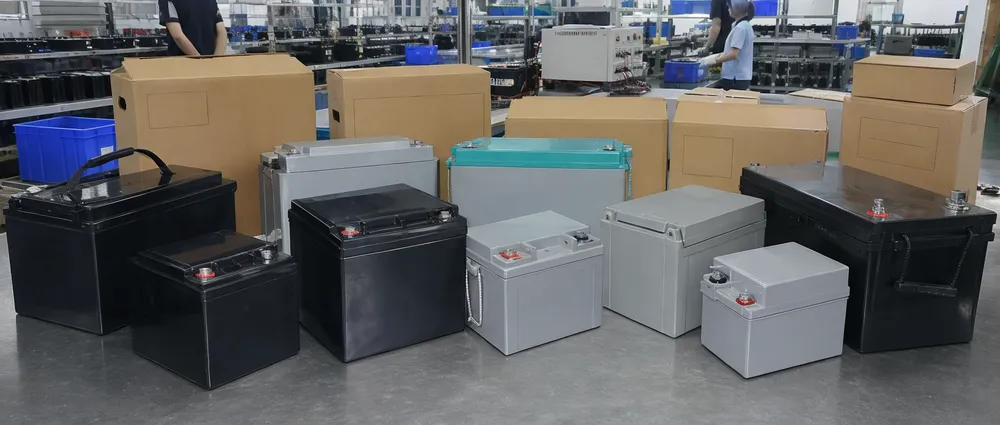
Frame your customization request around your SKU plan and target margin. The more specific your brief, the faster we can confirm feasibility and pricing.
Export Documents, Packing, and Landed-Cost Planning
Batteries are regulated cargo. Your import process — and your landed cost — depends on documentation, packing method, and freight classification being correct from the start.
Certifications and Compliance Documents We Provide
| Document | Purpose | Availability |
|---|---|---|
| UN38.3 test summary | Required for lithium battery transport by air and sea | Available for all standard lithium models |
| MSDS (Material Safety Data Sheet) | Required by freight forwarders and customs | Available for all chemistries |
| CE marking | European market access | Available for applicable models |
| IEC 62133 test report | Battery safety standard — required by many importers | Available for standard models |
| ISO 9001:2015 certificate | Manufacturing quality management verification | Factory-level certificate available on request |
Additional Market Certifications
If your destination market requires additional certifications (e.g., BIS for India, SASO for Saudi Arabia, INMETRO for Brazil), our engineering team can support the application process with test samples and technical data packages. Confirm certification scope before production to avoid delays.
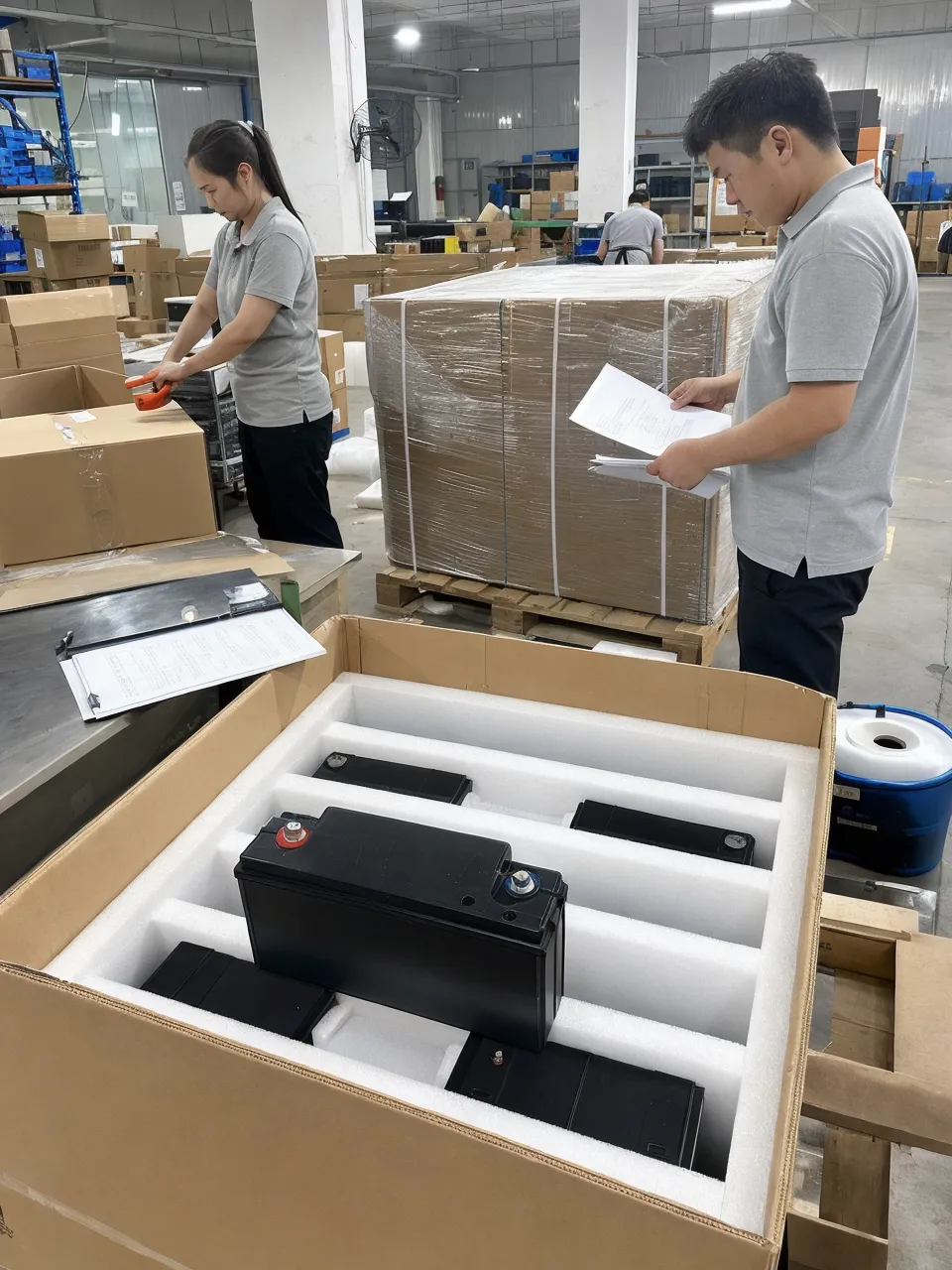
Packing for Battery Freight
Lead-Acid (AGM/Gel)
- Individual carton with foam inserts, palletized for container loading
- Standard 20GP container holds approximately 800–1,200 units depending on capacity and case size
- Cartons reinforced for overland transport to inland African and South American destinations
Lithium (LiFePO4)
- UN38.3-compliant packing with proper labeling (Class 9 dangerous goods for lithium)
- Individual carton with inner packaging meeting IATA/IMDG requirements
- Container loading quantity depends on battery Wh rating and shipping line DG allocation
Label Consistency
- We maintain your label artwork files for repeat orders — every shipment matches your previous batches
- Specify label language and regulatory markings at first order
- Changes mid-production add lead time
Shipping to 40+ Countries — A Lesson Learned
Confirm your destination port's DG handling capacity before booking. Some secondary ports in Africa and South America have limited dangerous goods storage, which can add demurrage if your container sits waiting for clearance.
Choose the Right 12V Page Before Sending Your RFQ
The 12V solar battery range covers several product types. Make sure you're quoting the right one.
12V Deep-Cycle Battery Supply
Battery procurement: chemistry, specs, OEM/ODM, packing, certification
AGM, Gel, LiFePO412V Solar Battery Charger
MPPT/PWM controllers, charger matching, accessory sourcing
View page12V Solar Battery Backup
System-level backup solutions, inverter integration, application planning
View page12V Solar Battery (Full Range)
All 12V products, category comparison, range navigation
View pageRFQ Checklist for Accurate 12V Deep-Cycle Pricing
Send us these details and we'll respond with a technical recommendation and quote within 48 hours.
Target Chemistry
AGM, gel, or LiFePO4 — or "recommend based on application"
Capacity (Ah)
Specific rating or acceptable range
Quantity
Initial order + estimated annual volume
Destination Country
For freight estimate and certification confirmation
Application Segment
Solar home kit, replacement, telecom backup, RV/marine, other
Required Certifications
CE, IEC 62133, UN38.3, or market-specific
Branding
Stock EVANBattery label, private label, or full OEM
Charger/Inverter Model
If known — for charge profile compatibility confirmation
The more complete your brief, the more accurate our first-round quote. We don't need all eight points to start a conversation — but chemistry, capacity, and quantity are the minimum for meaningful pricing.
FAQ — 12V Deep Cycle Solar Battery Procurement
Answers to the questions distributors and system integrators ask most often about sourcing 12V deep-cycle batteries.
What is the difference between a 12V deep cycle solar battery and a starter battery?
A starter battery delivers high current for a few seconds (engine cranking) and is immediately recharged by the alternator. A deep cycle solar battery delivers moderate current over hours and recharges slowly from solar panels — typically one full cycle per day.
The plate construction is fundamentally different: thicker plates, denser active material, and tighter paste formulations for deep-cycle duty.
If you stock starter batteries for the solar market, your warranty claims will spike within 3–6 months because the plates sulfate rapidly under deep discharge.
Is a 12V AGM solar battery or gel battery better for distributor stock?
It depends on your market's climate and price sensitivity. AGM costs less per unit and works well in temperate climates with moderate cycling. Gel handles high ambient temperatures (40°C+) better and tolerates deeper discharge without accelerated degradation.
For African and Middle Eastern markets, we recommend gel as the default stock — the warranty math works out better despite the slightly higher unit cost.
For European and North American replacement markets, AGM is the volume mover.
What capacity should buyers choose for 12V solar home system kits?
Match capacity to the panel size and daily load:
Entry-Level System
50W–100W panel, LED lighting + phone charging
→ 12V 50Ah–100Ah battery
Mid-Tier System
200W–400W panel, TV + fan + lighting
→ 12V 150Ah–200Ah battery
Over-specifying capacity increases your kit cost without proportional value; under-specifying causes deep discharge and premature failure. We can recommend capacity based on your target kit configuration and price point.
What documents are needed to import 12V solar batteries?
At minimum: commercial invoice, packing list, bill of lading, and certificate of origin.
For lithium batteries, add: UN38.3 test summary and MSDS — these are mandatory for sea freight booking and customs clearance.
For market access: CE (Europe), IEC 62133 (most markets), and potentially country-specific certifications.
We provide all standard documentation with shipment. If your market requires additional local certification, confirm before production so we can include test samples in the timeline.
Can EVANBattery make private-label 12V deep cycle solar batteries?
Yes. Private labeling on standard models starts at 200 units — your brand, logo, model number, and contact information on the battery case and carton.
Full OEM (custom capacity, BMS parameters, enclosure design) starts at 300–1,000 units depending on configuration complexity. We maintain your artwork files for reorder consistency.
Send your OEM specificationWhat MOQ applies to standard and customized 12V battery models?
Standard (EVANBattery branding)
100 units
Private label (existing models)
200 units
Custom BMS or capacity
300–500 units
New enclosure tooling
1,000+ units
These thresholds exist because each level of customization requires different validation and setup. We're transparent about minimums upfront so you can plan your landed cost accurately.
How should the charger be matched to a 12V deep-cycle battery?
Charge voltage must match the battery chemistry — a charger set for AGM float voltage (13.6V) will undercharge LiFePO4 (needs 14.4–14.6V), causing chronic undercharge and reduced capacity utilization.
Charge current should not exceed 0.2C for lead-acid or 0.5C for LiFePO4 unless the BMS is configured for higher rates.
If you're bundling batteries with chargers or controllers, confirm compatibility before production. We can match charge profiles to your specified MPPT controller or inverter model.
See our 12V solar battery charger page for controller sourcing optionsExplore Related 12V Solar Battery Pages
Find the right product page before sending your RFQ.