

48V Solar Battery Factory-Direct
LiFePO4 cells matched to ±5mV, full lifecycle testing, and capacity configurations from 50Ah to 300Ah+ — built on 6 dedicated production lines.
48V solar battery production from a 13-year manufacturer with integrated BMS design and automated cell sorting.
Why 48V Architecture Dominates Solar Storage
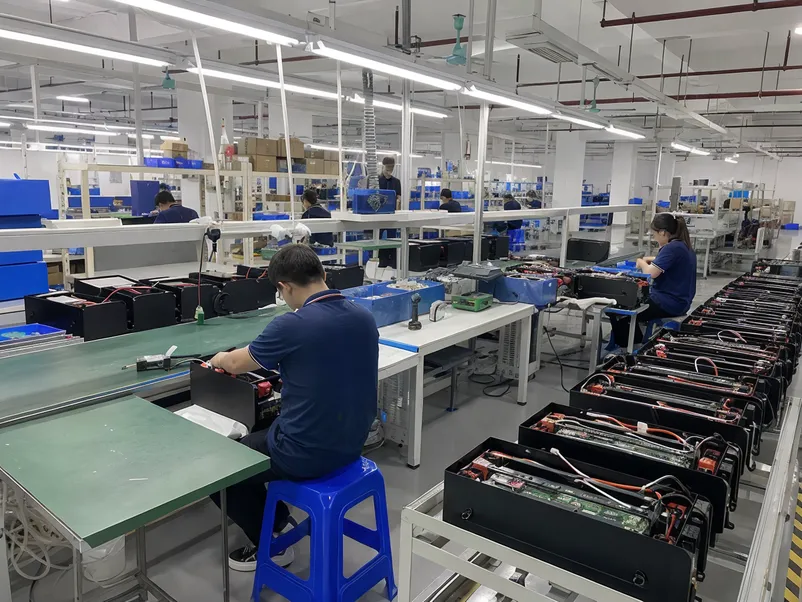
We manufacture 48V solar batteries — LiFePO4 packs with integrated BMS — at our 9,900 m² facility in Zhongshan, China. Six production lines, 150 people, and a singular focus on solar energy storage since 2012.
The industry has shifted toward 48V architecture for good reason: higher voltage means lower current at the same power output, which translates to thinner cabling, reduced resistive losses, and compatibility with the hybrid inverters that now dominate residential and commercial installations. We built our 48V line around this shift early, and it now accounts for the largest share of our export volume.
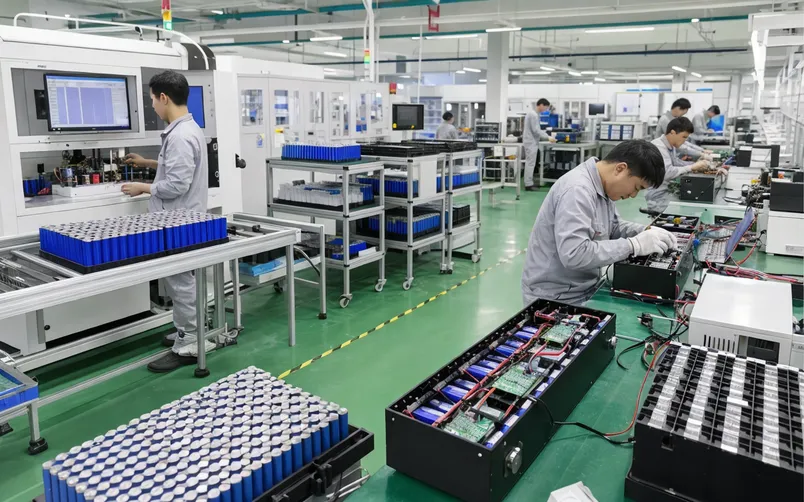
As a 48V solar battery manufacturer, we control the full chain — cell procurement and sorting, BMS design and firmware, pack assembly, and final testing. That matters to you because it means one factory owns the quality from cell to carton, and one contact handles your technical questions without passing you between departments. Our OEM/ODM capabilities cover custom capacity tiers, communication protocols, and enclosure formats, so you can build a product line on our manufacturing platform without managing multiple suppliers.
48V Architecture Advantages
- Lower current at equivalent power — thinner cabling, reduced copper costs
- Reduced resistive losses across longer cable runs
- Native compatibility with modern hybrid inverters
- Full vertical control: cell sorting → BMS firmware → pack assembly → testing
48V Solar Battery Product Line
Our 48V range covers three distinct market segments. Each sub-product targets a different buyer channel and project scale, so you can stock the configurations that match your distribution business — or source across all three for full coverage.
48V LiFePO4 Solar Battery
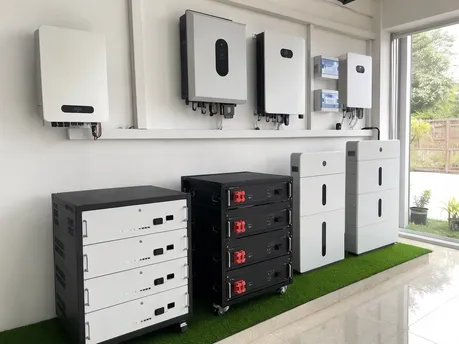
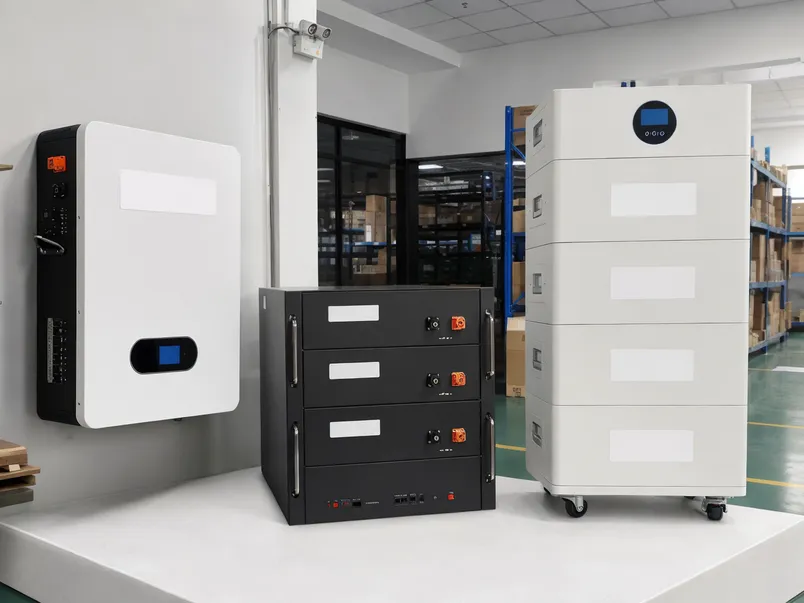
The core residential and light-commercial product. Capacity options from 100Ah (5.12kWh) to 200Ah (10.24kWh) in wall-mount, rack-mount, and stackable enclosures. These are the units your installers pair with Deye, Growatt, or Victron inverters for home energy storage retrofits and new-build solar systems. High reorder frequency, standardized configurations, and the broadest inverter compatibility in our range.
View 48V LiFePO4 Solar Battery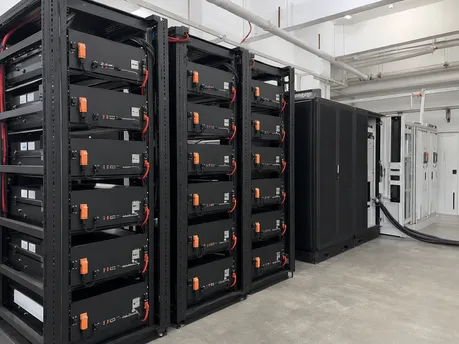
Commercial Solar Battery Storage
Rack-mounted and cabinet-format systems from 10kWh to 100kWh+, designed for C&I projects — demand-charge management, peak shaving, backup power for commercial facilities. Parallel-expandable architecture with CAN bus coordination between units. These are project-specified, not shelf-stocked: your engineering team specs the system, we build to the configuration.
View Commercial Solar Battery Storage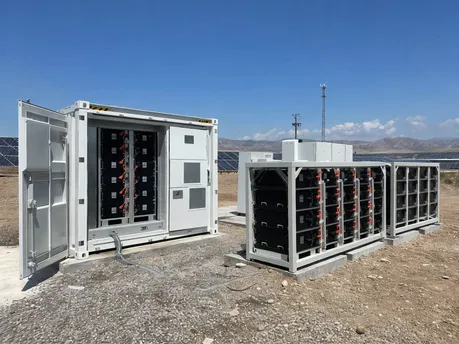
Utility Scale Solar Battery Storage
Container-integrated and large-format rack systems for microgrid, telecom tower backup, and rural electrification projects. MWh-class deployments assembled from standardized 48V modules. Government tender opportunities and infrastructure programs drive this segment — longer sales cycles, but significantly larger order volumes.
View Utility Scale Solar Battery StorageFor 48V solar battery wholesale inquiries across any of these product lines, contact our sales team with your target market and volume expectations.
Contact SalesTechnical Specifications — What Our Production Lines Deliver
This is the parameter envelope across our 48V product family. Individual product pages carry exact specs per model — here you confirm whether our manufacturing range covers your requirements.
| Parameter | Range |
|---|---|
| Nominal Voltage | 48V (51.2V actual for 16S LiFePO4) |
| Capacity Range | 50Ah – 300Ah |
| Energy Range | 2.56kWh – 15.36kWh per unit |
| Chemistry | LiFePO4 (Lithium Iron Phosphate) |
| Cycle Life | 4,000 – 6,000+ cycles at 80% DoD |
| Max Charge Rate | 0.5C standard, 1C available on select models |
| Max Discharge Rate | 1C continuous, 1.5C peak (30s) |
| Operating Temperature | -20°C to 55°C (charge: 0°C to 50°C) |
| BMS Protection | Overcharge, overdischarge, overcurrent, short circuit, temperature |
| Communication Protocols | CAN, RS485, RS232 (protocol customizable per inverter brand) |
| Parallel Expansion | Up to 16 units (BMS-coordinated) |
| Enclosure Options | Wall-mount, rack-mount (19"), stackable, cabinet |
| IP Rating | IP20 (indoor) to IP65 (outdoor-rated enclosures) |
Note: The 51.2V nominal is the actual operating voltage for 16-series LiFePO4 cells — "48V" is the system-level designation. If your market uses either label, the product is the same.
Our 48V solar battery specs are not theoretical maximums pulled from cell datasheets. Every parameter above reflects tested, production-validated performance across our current manufacturing runs.
Inverter Compatibility & System Configuration for Your Market
The most common sourcing failure we see: a buyer orders 48V batteries, ships them to their installer network, and discovers the BMS communication protocol doesn't handshake with the inverter brand their market uses. The battery works electrically, but the inverter can't read SOC, can't control charge/discharge limits, and the system runs in "dumb" mode. Your end customer complains. Your installer loses confidence. You eat the support cost.
Tested Protocol Profiles
We prevent compatibility failures by maintaining tested protocol profiles for the major inverter brands:
Deye
CAN protocol (Pylon/BYD-compatible), tested with SUN-5/8/12K-SG series
Growatt
CAN protocol, compatible with SPF/MIN/MOD series inverters
Victron
CAN (Victron-compatible profile), works with MultiPlus/Quattro/Cerbo GX
SMA
CAN protocol, Sunny Island compatible
Goodwe
CAN protocol, ET/ES series tested
Custom protocol development: If your market runs a different inverter brand, our BMS engineering team can develop and validate a custom protocol profile. We've done this for regional inverter brands in Southeast Asia and South America — it typically requires 2–3 weeks of development and testing.
Parallel Expansion Architecture
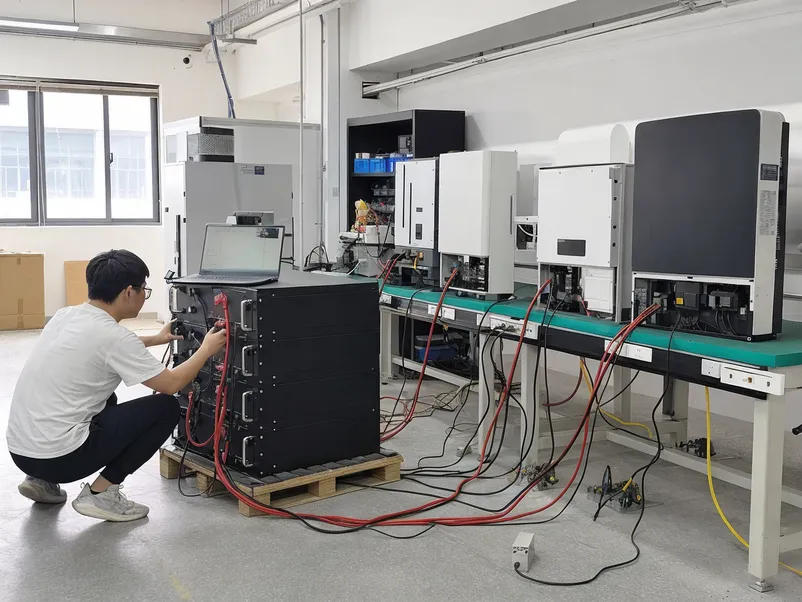
Our BMS supports parallel connection of up to 16 units with coordinated charge/discharge balancing across the battery bank. Each unit communicates its SOC and cell voltages to the master BMS, which manages load distribution.
This means your commercial projects can scale from 5kWh to 150kWh+ using standardized modules — no custom engineering on your side, just add units.
As a 48V solar battery supplier, we provide pre-configured parallel communication settings so your installers connect, power on, and the system self-configures. No firmware flashing in the field.
16
Max Parallel Units
150+
kWh Scalable
0
Field Firmware
Market Segments Where 48V Solar Batteries Move Volume
We ship 48V solar battery units into three primary market segments. Each has different order patterns, margin structures, and growth trajectories. Understanding where the volume moves helps you decide which configurations to stock or specify.
Residential Energy Storage
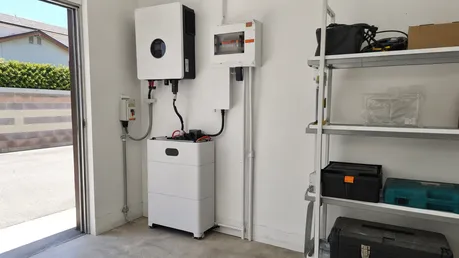
High Reorder, Broad MarketThe largest segment by unit count. Homeowners adding battery backup to existing solar installations, or new-build homes with integrated solar+storage.
Typical system: 1–3 units of 48V 100Ah (5–15kWh total). Your installers and distributors reorder monthly once they standardize on a configuration.
This segment rewards consistent supply and inverter compatibility — the technical barrier is low, but the logistics of keeping stock available matters.
Order pattern: 100–500 units per shipment, monthly or quarterly reorders. High-margin aftermarket product for solar installers who currently sell panels only.
Commercial & Industrial
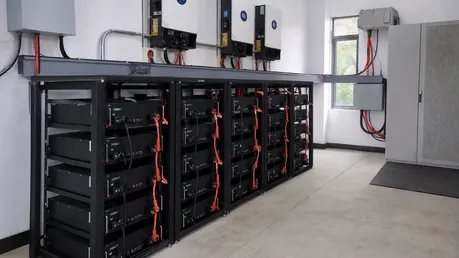
Project-Based, Larger TicketsDemand-charge management, peak shaving, and backup power for commercial facilities. These are project-specified — your sales team responds to a tender or designs a system for a specific building.
Typical system: 50–200kWh (10–40 units in parallel racks). Longer sales cycle, but each order is 5–20x the residential volume.
Growing fast in markets with time-of-use electricity pricing.
Order pattern: 200–1,000 units per project, irregular timing but high per-order value.
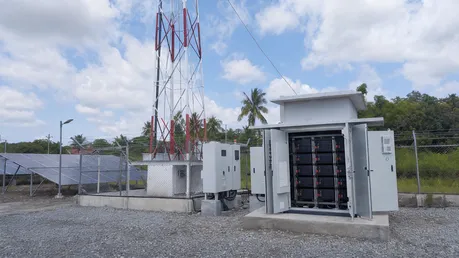
Telecom & Off-Grid Infrastructure
Tender-Driven, Government-BackedTower backup, rural electrification, microgrid deployments. These are tender-driven — government or telecom operator issues an RFP, your company bids with our product as the battery component.
Typical system: 20–100kWh per site, hundreds of sites per program. Long qualification process, but once approved, the volumes are substantial and multi-year.
For 48V solar battery wholesale pricing across any segment, request a quote with your target market and estimated annual volume.
Request Wholesale QuoteCell Matching & BMS Reliability
What Separates Consistent Bulk Supply from Field Failures
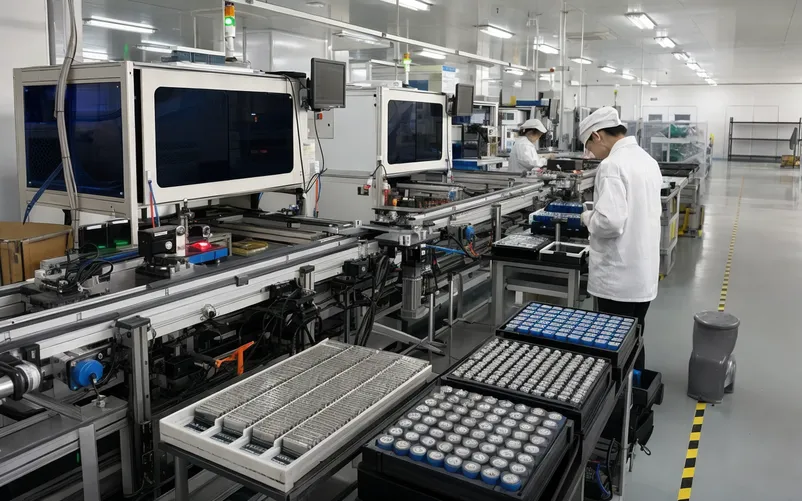
This is where most 48V battery sourcing goes wrong, and where we invest the most manufacturing effort. Two failure modes account for the majority of field returns in our industry:
Failure Mode 1
Uneven Cell Degradation from Poor Sorting
A 48V LiFePO4 pack contains 16 cells in series. If those cells have inconsistent internal resistance or capacity at assembly, they degrade at different rates. Within 500–800 cycles, the weakest cell hits its low-voltage cutoff while the others still have 20–30% capacity remaining. The BMS shuts down the pack to protect that one cell.
Your customer sees a battery that "dies early." The pack isn't defective — it was assembled poorly.
Failure Mode 2
BMS Communication Errors
The BMS is the brain of the pack. If it can't communicate accurately with the inverter, you get false shutdowns, imbalanced charging, or — worst case — cells charged beyond safe limits.
Many assemblers buy third-party BMS boards and integrate them without protocol-level testing against actual inverter hardware.
Our Prevention: Automated Cell Sorting
Voltage matching tolerance across every 16-cell group
Capacity variance across every 16-cell group
Cycles at rated capacity — consistently maintained
We test each incoming cell individually — open-circuit voltage, internal resistance, and capacity — then group them by performance band before they reach the assembly line. This is slower than hand-sorting or skip-lot testing, but it's why our packs maintain rated capacity past 4,000 cycles consistently.
In-House BMS Design & Validation
We design and produce our BMS in-house. Our 18-engineer R&D team develops the firmware, tests against physical inverter units (not just protocol documentation), and validates every communication scenario:
- Startup handshake verification
- Mid-charge SOC reporting accuracy
- Fault signaling under all conditions
- Graceful shutdown sequencing
72-hour burn-in test: Every production batch runs through simulated charge/discharge cycling and protocol communication verification before shipment.
As a 48V solar battery manufacturer, we also run full lifecycle testing on every new design:
All testing follows IEC 62133 and UN38.3 protocols — certified and documented.
We switched to in-house BMS design in 2016 after too many field issues with third-party boards that worked fine in the lab but failed under real-world temperature swings. The investment paid for itself within a year in reduced warranty claims.
Custom 48V Battery Configurations for Your Brand
You don't need to sell our brand. Most of our buyers private-label our batteries under their own brand, configured for their specific market requirements.
Capacity Configurations
50Ah, 100Ah, 150Ah, 200Ah, 280Ah, 300Ah — or any capacity tier that matches your market positioning.
We adjust cell count and parallel grouping to hit your target energy density.
BMS Communication Protocols
Pre-configured for your inverter ecosystem, or custom protocol development for regional brands.
If you're building a battery line that needs to work with a specific inverter, we match the protocol before production starts.
Enclosure Formats
Custom dimensions and mounting hardware available on ODM orders.
Branding & Packaging
Your logo, your color scheme, your box design. We handle silkscreen/UV printing on the enclosure and produce retail or wholesale packaging to your specifications.
MOQ & Production Timeline
Standard Configurations
100 units MOQ
Custom OEM/ODM Projects
Negotiable based on complexity
Production Samples
Typically delivered within 3–4 weeks
Our 18-engineer R&D team handles the design adaptation — giving you the production infrastructure to build a product line without building a factory.
Shipping Compliance & Export Packaging for Lithium Batteries
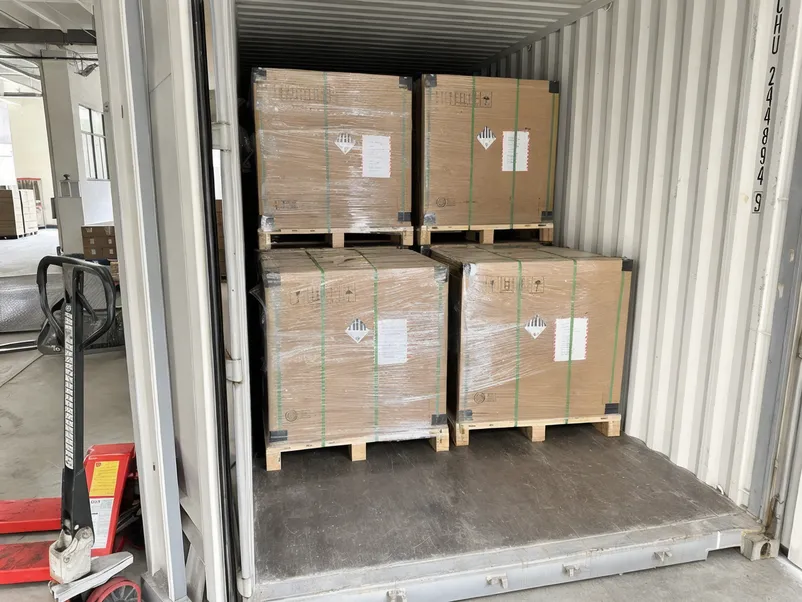
48V LiFePO4 batteries are Class 9 dangerous goods under IATA and IMDG regulations. If your freight forwarder isn't experienced with DG shipments, or your supplier doesn't provide proper documentation, your container sits at port. We handle compliance at the factory level so your logistics run clean.
Documentation We Provide With Every Shipment
- UN38.3 test report — third-party certified
- MSDS (Material Safety Data Sheet)
- DG declaration and proper shipping name classification
- Packing list with Wh ratings per unit — critical for DG classification thresholds
Packaging Engineering
Each 48V unit ships in UN-certified packaging with foam suspension, corner protection, and proper DG labeling. We palletize for container loading and provide loading plans with weight distribution diagrams for your freight forwarder.
200–240
units per 20GP container
(48V 100Ah)
480–560
units per 40HQ container
(48V 100Ah)
Weight Constraint Note
48V 100Ah packs weigh approximately 45–52kg each — container weight limits become the constraint before volume does. We calculate this for you before production to avoid surprises at the port.
Global Export Experience
For 48V solar battery wholesale shipments, we export regularly to Europe, Southeast Asia, Africa, South America, and the Middle East. Our logistics team coordinates with DG-certified freight forwarders in each region.
FAQ — 48V Solar Battery Sourcing & Technical Questions
Detailed answers to the questions our B2B buyers ask most frequently about specifications, compliance, chemistry, and ordering.
What is the difference between 48V and 51.2V solar batteries?
What is the difference between 48V and 51.2V solar batteries?
They're the same product. A 16-series LiFePO4 battery has a nominal cell voltage of 3.2V × 16 = 51.2V. The industry calls it "48V" because that's the system voltage class it operates in — compatible with 48V inverters, 48V charge controllers, and 48V DC bus architectures. When you see "48V" and "51.2V" from different suppliers, they're describing identical electrical configurations. The actual operating voltage ranges from approximately 44V (fully discharged) to 57.6V (fully charged).
How many 48V batteries can be connected in parallel?
How many 48V batteries can be connected in parallel?
Our BMS supports up to 16 units in parallel with coordinated communication. Each unit reports its SOC and cell voltages to the master unit, which balances charge/discharge current distribution across the bank.
1–4 units
Residential (5–40kWh)
4–16 units
Commercial (20–80kWh)
16+ units
Multiple parallel groups with EMS
The limiting factor is usually the inverter's maximum battery input current, not our BMS architecture.
What certifications are required to import 48V lithium batteries into Europe?
What certifications are required to import 48V lithium batteries into Europe?
For the EU market, you need CE marking (covering the Low Voltage Directive and EMC Directive), IEC 62133 for battery safety, and UN38.3 for transport classification. Starting 2027, the EU Battery Regulation will require a battery passport and carbon footprint declaration for batteries above 2kWh.
We currently hold CE, IEC 62133, and UN38.3 — view our certification details. If your market requires additional regional certifications (TÜV, VDE, or country-specific marks), we can coordinate third-party testing through our existing lab relationships.
LiFePO4 vs NMC for 48V solar storage — which chemistry performs better in hot climates?
LiFePO4 vs NMC for 48V solar storage — which chemistry performs better in hot climates?
LiFePO4, and it's not close for stationary storage. LiFePO4 cells maintain stable capacity at temperatures up to 55°C with minimal accelerated degradation, while NMC cells lose cycle life rapidly above 40°C ambient.
LiFePO4
4,000–6,000 cycles at high ambient temperatures. Stable capacity up to 55°C. Heavier per kWh but ideal for stationary storage where weight doesn't matter.
NMC
2,000–3,000 cycles under the same conditions. Loses cycle life rapidly above 40°C. Lighter per kWh but not suited for hot-climate stationary applications.
In markets like the Middle East, Africa, and Southeast Asia — where ambient temperatures regularly exceed 35°C and battery enclosures can reach 45–50°C internally — LiFePO4 is the correct choice. All our 48V products use LiFePO4 chemistry.
What is the minimum order quantity for custom 48V solar batteries?
What is the minimum order quantity for custom 48V solar batteries?
100 units for standard configurations (existing capacity, enclosure, and BMS protocol). For custom OEM/ODM projects — new capacity tiers, custom enclosure designs, or new protocol development — MOQ is negotiable based on project complexity.
Most custom projects start at 200–500 units for the first production run, with reorders at whatever volume your market demands.
Contact us with your specifications for an exact quote
How long do 48V LiFePO4 solar batteries last in daily cycling applications?
How long do 48V LiFePO4 solar batteries last in daily cycling applications?
At one full cycle per day (charge to 100%, discharge to 20% SOC), our 48V LiFePO4 batteries are rated for 6,000+ cycles before reaching 80% of original capacity. That translates to approximately 16 years of daily cycling.
In practice, most residential systems cycle 0.5–0.8 times per day (partial cycles), which extends calendar life further.
Validation method: We validate these numbers through accelerated aging tests on every new cell batch — not just the manufacturer's datasheet claims, but our own in-house cycling data at controlled temperatures.
Start Your 48V Battery Sourcing
Two ways to move forward — choose the path that matches where you are in the process.
If you know your inverter brand and target capacity
Send us the inverter model and your required kWh per unit. We'll confirm protocol compatibility and send a spec sheet with pricing within 24 hours.
Fast-track with a quote requestIf you're planning a custom 48V battery line
Share your target market, volume expectations, and any enclosure or branding requirements. Our engineering team will propose configurations with pricing tiers based on your annual commitment.
Start a custom project discussion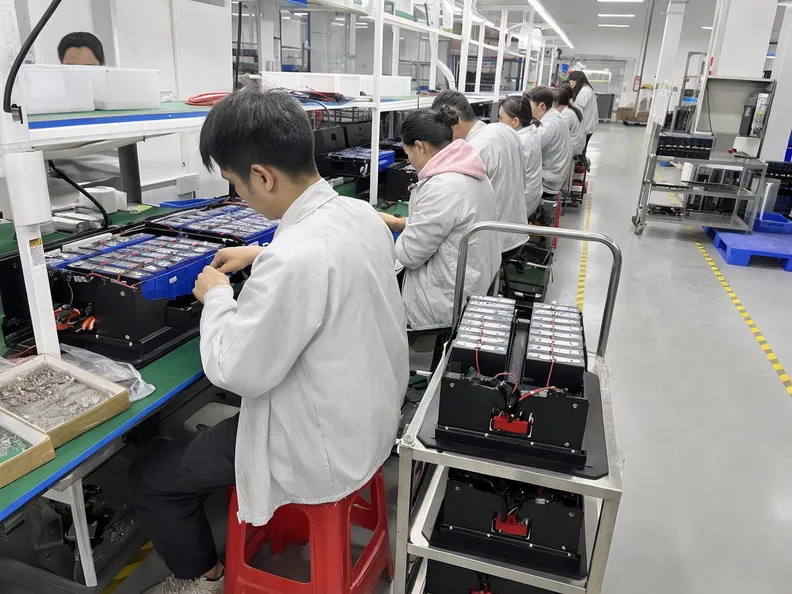
Your 48V solar battery supplier should be the factory that builds the product, not a trader who sources it after you order. We're here when you're ready to talk specifics.