

12V Solar Battery Backup Packs
LiFePO4 and lead-acid, BMS-managed, built for standby reliability in solar UPS and low-voltage backup applications.
Source standard or custom 12V backup batteries from a single factory that runs both lithium and lead-acid lines, with export documentation ready for battery shipments.
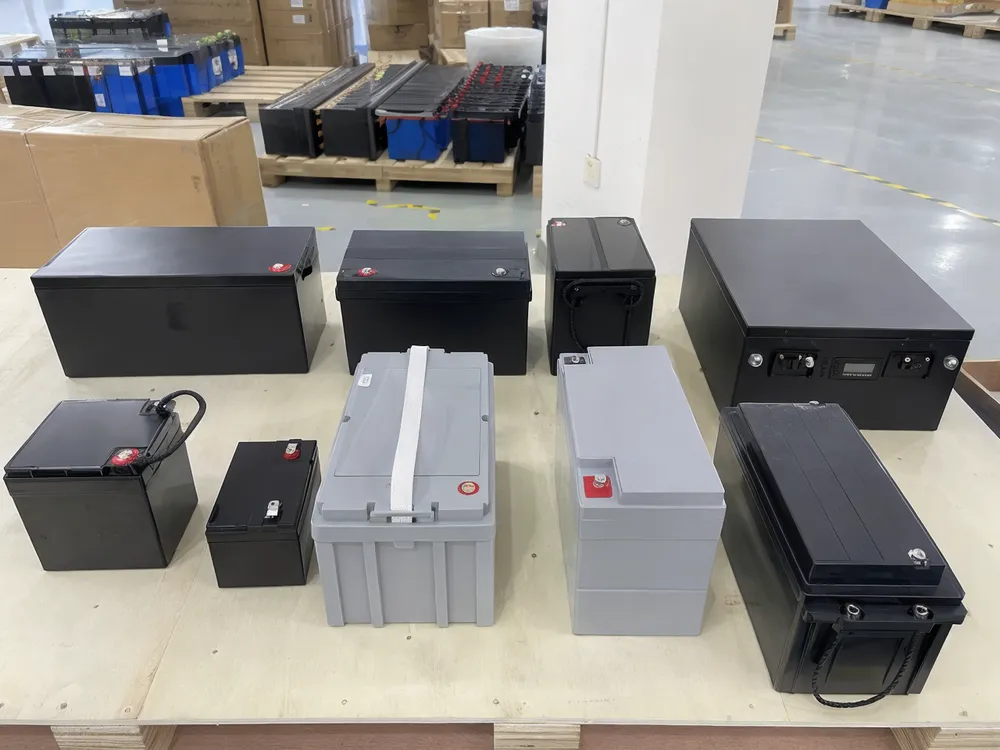
12V Solar Battery Backup — What This Page Covers and Who It's For
This is a product sourcing page for 12V solar battery backup packs. If you're building a solar UPS product line, stocking replacement batteries for off-grid kits, supplying CCTV backup power, or tendering small-scale solar backup projects, this is the SKU category you need.
We produce 12V backup batteries in both LiFePO4 (12.8V nominal) and lead-acid (gel, AGM) chemistry. Every lithium model ships with an integrated BMS designed and manufactured in-house — not a generic third-party board bolted on at the end. Lead-acid models use sealed VRLA construction for maintenance-free standby duty.
Backup vs. Deep-Cycle — Why It Matters
The difference between a backup battery and a general deep-cycle battery matters for your product positioning and warranty exposure. Backup duty means long standby periods with infrequent but critical discharge events — the BMS protection thresholds, self-discharge rate, and float charge behavior all need to be tuned for that profile. We configure accordingly.
Solar UPS Product Lines
Building branded solar UPS systems for residential or commercial markets.
Replacement Battery Stock
Stocking replacement batteries for off-grid kits and existing installations.
CCTV Backup Power
Supplying reliable standby power for security and surveillance systems.
Project Tenders
Tendering small-scale solar backup projects with documented specifications.
Standard 12V backup models start at 100-unit MOQ.
Tell us your target capacity, chemistry preference, load profile, and destination market — we'll send back a spec sheet and FOB pricing within 48 hours.
Specification Data You Can Put Into a Quote Sheet
The table below covers typical parameters across our 12V solar battery backup range. Exact values depend on the specific model and capacity you select — request a detailed data sheet for the configuration you need.
| Parameter | LiFePO4 (Lithium) | Gel / AGM (Lead-Acid) |
|---|---|---|
| Nominal voltage | 12.8V (4S LiFePO4) | 12V |
| Available capacity range | 20Ah – 200Ah | 20Ah – 250Ah |
| Cycle life (80% DOD) | 2,000 – 3,500 cycles typical | 400 – 700 cycles typical |
| Float / standby life | 8 – 10 years typical | 5 – 8 years typical |
| Self-discharge rate | < 3% per month | < 3% per month (gel) |
| Charge voltage | 14.2V – 14.6V | 13.8V – 14.4V (float/bulk) |
| Continuous discharge | Up to 100A (model-dependent) | Up to 0.2C typical |
| BMS protections (lithium) | Over-charge, over-discharge, over-current, short-circuit, temperature | N/A (inherent chemistry limits) |
| Operating temperature | -20°C to 55°C | -15°C to 50°C |
| Enclosure options | ABS plastic, metal case | ABS sealed case |
| Terminal options | M6/M8 bolt, Anderson connector, custom harness | F2 tab, M6/M8 bolt |
| Weight (100Ah reference) | ~12 kg | ~30 kg |
| Communication (optional) | RS485, Bluetooth, CAN | N/A |
| Specifications shown are industry-standard values for this product type. Actual specifications may vary by model and configuration. Contact us for detailed product data sheets. | ||
Freight Cost Note: Lithium vs. Lead-Acid Container Loading
If you're comparing landed cost between lithium and lead-acid, factor in the weight difference — a 20GP container holds roughly 2.5× more lithium units by weight capacity than equivalent lead-acid, which changes your per-Wh freight cost significantly.
Cycle Life — The Number Your Customers Feel
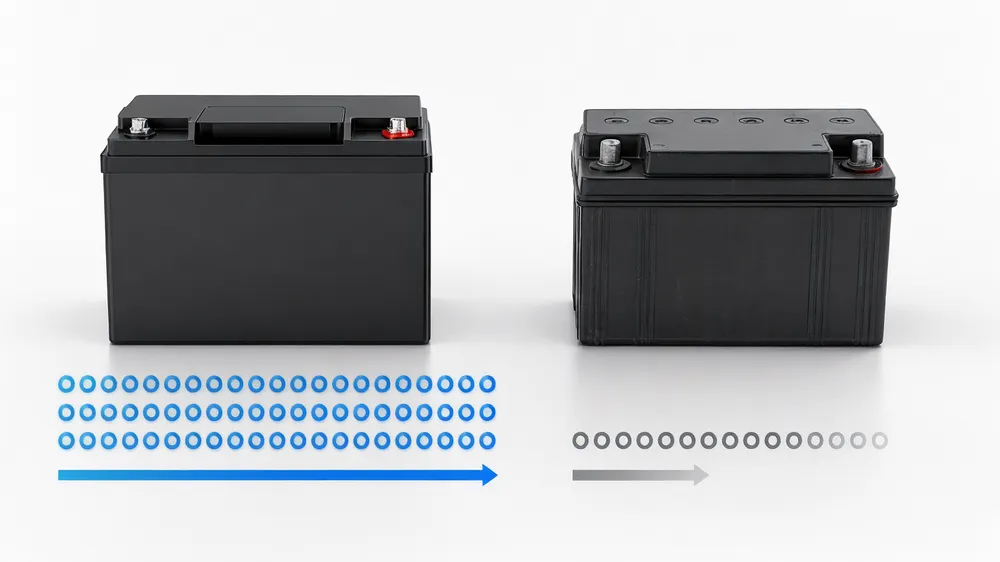
The cycle life gap between LiFePO4 and lead-acid is the number your downstream customers feel most directly. A 12V 100Ah LiFePO4 backup battery that delivers 2,500+ cycles at 80% DOD means your warranty window stays comfortable even in markets where users discharge more frequently than pure standby duty would suggest.
Runtime, Inverter, and Charging Fit Before You Promise a Project
Wrong battery sizing creates after-sales claims. Before you quote a 12V solar battery backup into a project or product bundle, here's what needs to match:
Load and Runtime Calculation
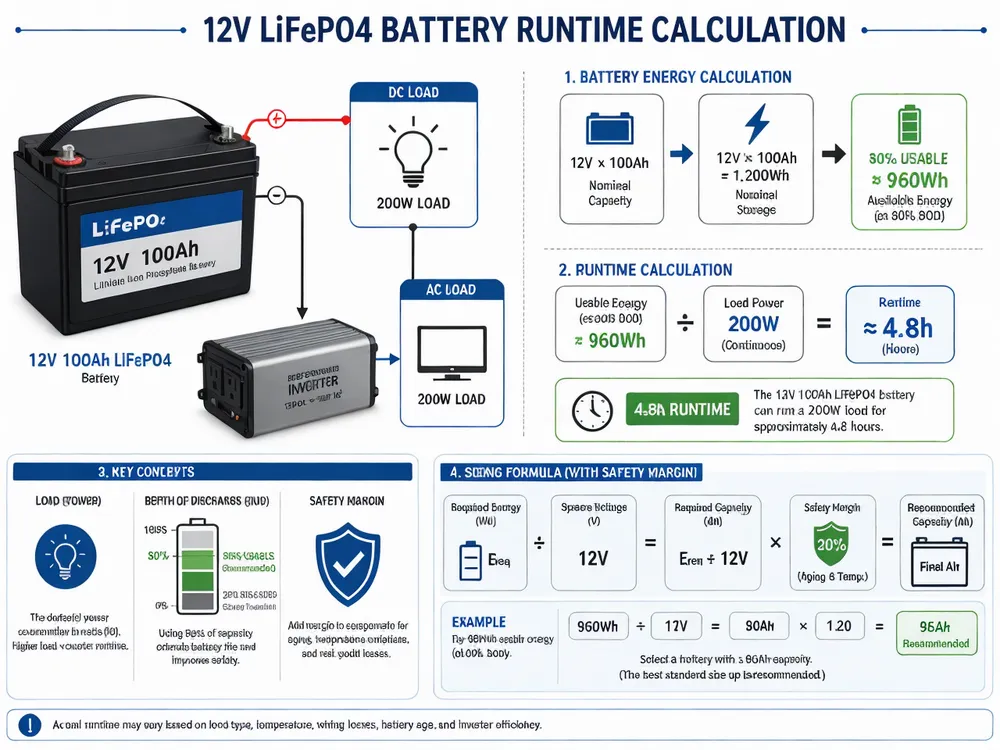
A 12V 100Ah LiFePO4 battery stores approximately 1,280Wh. At 80% usable depth of discharge, that's ~1,024Wh available. A 200W continuous load runs for roughly 5 hours.
Sizing Formula
Work backward from the runtime your customer needs, add 20% margin for aging and temperature, and you have your minimum Ah requirement.
Inverter Surge Compatibility
Many backup loads — refrigerators, pumps, motor-driven equipment — draw 3–5× their rated wattage on startup. Your 12V battery's BMS must handle that surge current without tripping over-current protection.
We set BMS peak current thresholds based on the intended application profile. If you're bundling batteries with inverters, send us the inverter's surge spec and we'll confirm BMS compatibility before production.
Charge Controller Matching
MPPT controllers work with LiFePO4 if the charge profile is set correctly (14.2V–14.6V absorption, 13.6V float). PWM controllers work but are less efficient.
For lead-acid gel models, the charge voltage must stay below gassing threshold — typically 14.1V–14.4V depending on temperature.
Mismatched charge voltage is the single most common cause of premature battery failure in solar backup installations. We include recommended charge parameters on every data sheet specifically because this question comes up on almost every order.
Parallel Expansion
LiFePO4 packs with BMS can be paralleled — typically up to 4 units — to increase capacity without moving to a higher voltage system. We match internal resistance across parallel sets during production to prevent current imbalance.
If your product line includes expandable backup kits, let us know the maximum parallel configuration so we can tighten the cell matching tolerance for that SKU.
Temperature Considerations
Below 0°C, LiFePO4 cells should not be charged (the BMS blocks it). Discharge is fine down to -20°C with reduced capacity.
For markets with cold-climate installations, we offer models with low-temperature charge protection that prevents lithium plating damage.
For detailed wiring configurations, see our 12V solar battery wiring guide.
Send Load Profile & Inverter SpecsMarket Segments Where 12V Backup SKUs Move Repeatedly
A 12V solar battery backup is not one product — it's a platform that serves multiple commercial channels. Here's where we see consistent reorder volume from our existing distributor and contractor partners:
Solar Home System Kits
High Volume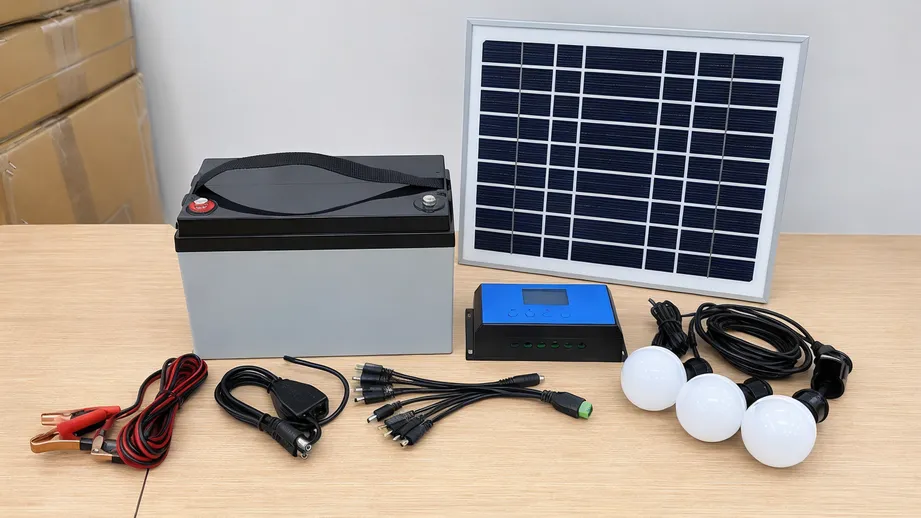
Distributors selling packaged solar home systems in Africa, Southeast Asia, and South America need a reliable 12V backup battery as the core storage component.
Typical Configuration
12V 50Ah–150Ah LiFePO4 or gel, paired with a small MPPT controller and LED lighting
This is a high-volume, price-sensitive segment where consistent capacity labeling and low field-failure rates protect your brand reputation. Reorder cycles run 60–90 days for active distributors.
CCTV and Security System Backup
Steady Reorders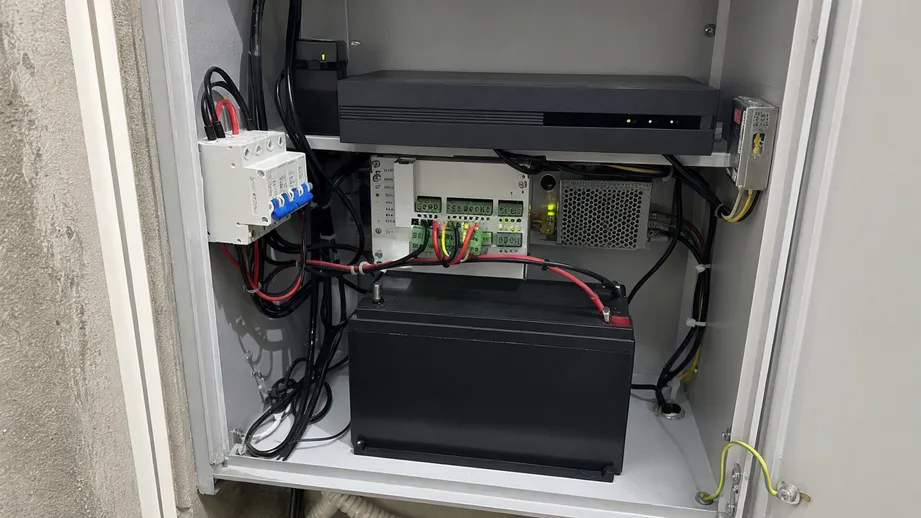
Security installers need compact 12V backup batteries — typically 20Ah–50Ah — that maintain surveillance systems during grid outages.
Key Specs
Low self-discharge and reliable BMS cut-off to prevent deep discharge damage during extended outages
This segment generates steady, small-batch reorders (50–200 units) with strong margin because installers bundle batteries into system packages at project-level pricing.
Telecom and Remote Monitoring Equipment
Project-Based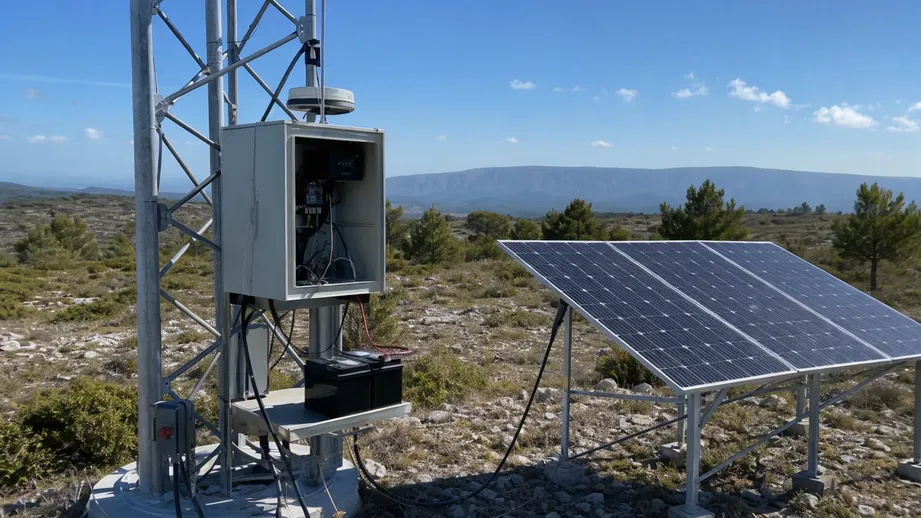
Base stations, weather monitoring, and IoT gateway installations in off-grid locations need 12V batteries with wide temperature tolerance and long standby life.
Requirements
BMS communication (RS485 or CAN) often required for remote battery health monitoring
Orders tend to be project-based — 100–500 units per deployment — with follow-on replacement cycles every 3–5 years.
Small Commercial Solar UPS
Growing Segment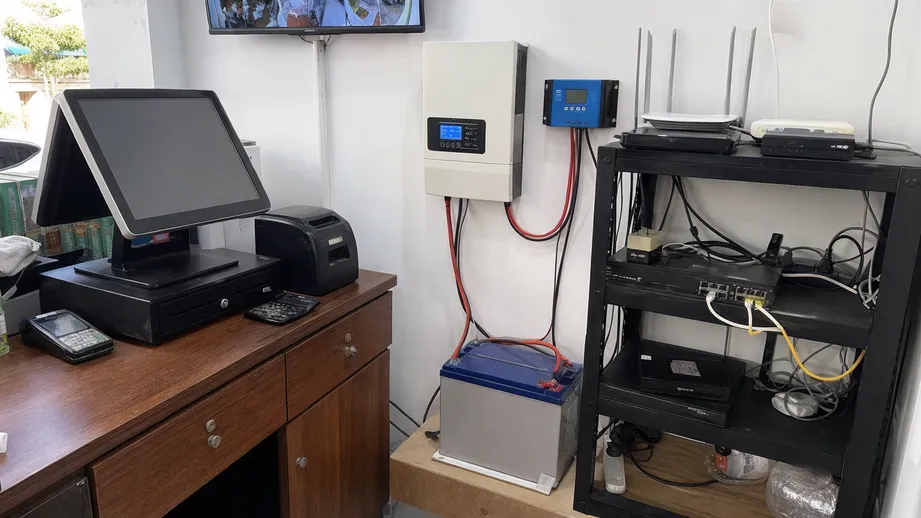
Businesses in regions with unreliable grid power use 12V solar UPS systems to protect POS terminals, networking equipment, and small server racks.
Buyer Needs
Predictable capacity, fast recharge acceptance, and documented cycle life for warranty planning
This segment has grown noticeably over the past three years — grid instability in parts of Africa and South Asia is driving commercial UPS adoption faster than residential.
Rural Off-Grid Replacement Battery Programs
Recurring RevenueWholesalers serving rural markets need replacement-compatible 12V batteries in standard form factors.
The commercial logic: once a solar home system is installed, the battery is the first component that needs replacement — typically every 3–5 years for lead-acid, 8–10 years for lithium.
Stocking replacement SKUs in common capacities creates a recurring revenue stream with minimal sales effort.
Tell us which segments you're targeting
We'll suggest a starter SKU mix based on what moves in your region.
Cell Matching, BMS Protection, and Batch Testing That Reduce Your Warranty Exposure
Your margin on a 12V solar battery backup program depends on field reliability. Every warranty claim costs you the replacement unit, the shipping, and the customer relationship. Here's how we control that risk at the production level:
Automated Cell Sorting and Matching
Before cells enter pack assembly, they're tested individually for voltage, internal resistance, and actual capacity — then grouped into matched sets. For a 4S LiFePO4 backup battery, we hold cell matching within 20mV voltage and 5mΩ internal resistance across the series string.
Tight matching prevents the weakest cell from limiting pack capacity and causing premature BMS cut-off.
We've been refining this sorting algorithm since 2016 when we transitioned from manual grading to automated systems — the difference in batch consistency was immediate and measurable.
In-House BMS Design and Programming
We design our own BMS boards rather than buying generic modules. For backup-duty batteries, we tune the protection parameters specifically:
- Higher surge current allowance for motor-start loads
- Conservative low-voltage cut-off to preserve cell longevity during deep standby discharge
- Temperature-compensated charge voltage to prevent overcharge in hot climates
The BMS firmware is matched to the actual cells in each production batch — not a one-size-fits-all template.
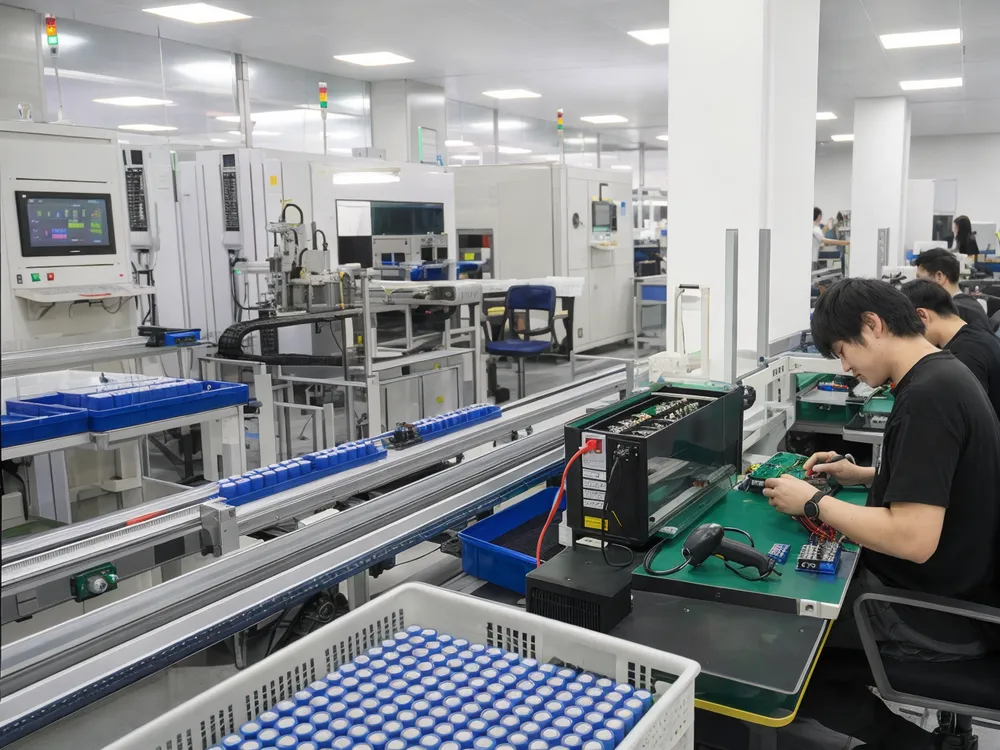
Full Lifecycle Testing on Every Production Batch
We run these on production samples from every batch, not just during initial type approval.
If a batch drifts outside acceptance limits, it doesn't ship — we trace back to the cell lot and resolve before continuing.
Production Scale That Supports Consistency
We separated lithium and lead-acid assembly into distinct production zones because the handling, ventilation, and QC checkpoints are fundamentally different. Your 12V backup battery order runs on a dedicated line without cross-contamination risk from other chemistries.
We've been manufacturing solar batteries since 2012 — 13+ years of accumulated process knowledge in both lithium and lead-acid technology. Learn more about EVANBattery's manufacturing capabilities.
OEM/ODM Backup Battery Options Without Losing MOQ Control
Most buyers need some level of customization. Here's what's available for 12V solar battery backup configurations and where the MOQ boundaries sit:
| Customization Dimension | Standard Options (100-unit MOQ) | Engineering Validation Required |
|---|---|---|
| Chemistry | LiFePO4, gel, AGM | Custom cell chemistry blends |
| Capacity | 20Ah, 50Ah, 100Ah, 150Ah, 200Ah | Non-standard Ah (e.g., 75Ah, 120Ah) |
| Case Color | Black, white, grey | Custom RAL color (200+ unit MOQ) |
| Label / Branding | Your logo and model number on standard case | Fully custom case mold (high MOQ) |
| Terminals | M6 bolt, M8 bolt, Anderson, F2 tab | Custom connector harness |
| BMS Parameters | Standard protection thresholds | Custom cut-off voltages, current limits, communication protocol |
| Communication | None, Bluetooth (lithium) | RS485, CAN bus integration |
| Packaging | Neutral carton, your branded carton | Custom retail box, blister pack |
| Manual / Documentation | Standard spec sheet | Custom user manual with your branding |
MOQ Logic
Standard models with label changes ship at 100 units.
Custom BMS firmware, non-standard capacity, or communication protocol additions typically require 200–500 unit MOQ depending on engineering scope.
Fully custom enclosure tooling is a separate conversation — we'll quote the tooling cost and amortization schedule upfront so you can plan your landed cost per unit.
Private-Label Programs
We handle about 30% of our 12V backup volume as OEM orders — private-label programs for distributors who sell under their own brand.
The process is straightforward once we agree on specs: sample confirmation, pre-production approval, then rolling production.
Engineering Team & Timeline
Our 18+ engineers handle the development cycle from specification through production validation.
For complex OEM projects, typical development takes 2–4 weeks from confirmed spec to approved sample.
We'll confirm feasibility and MOQ within 48 hours of receiving your specification or reference sample.
Battery Export Documents and Packing Details for Container Orders
Batteries are classified dangerous goods for international shipping. Missing or incorrect documentation means port delays, rejected shipments, and unexpected costs. Here's what we provide and how we pack:
Export Documentation
| Document | Coverage | Availability |
|---|---|---|
| UN38.3 test summary | Transport safety classification for lithium batteries | Maintained for all standard lithium models |
| MSDS (Material Safety Data Sheet) | Hazardous material handling and emergency procedures | Available for all models (lithium and lead-acid) |
| IEC 62133 test report | Battery safety — charge/discharge, thermal, mechanical | Available for standard models |
| CE declaration | European market conformity | Available for CE-marked models |
| ISO 9001:2015 certificate | Manufacturing quality management system | Factory-level certification |
Additional market certifications: If your destination market requires local certification (BIS for India, SASO for Saudi Arabia, INMETRO for Brazil), our engineering team supports the application process with test samples and technical data packages. We've been through this cycle for multiple markets — we know which test labs are efficient for each region.
Packing and Container Loading
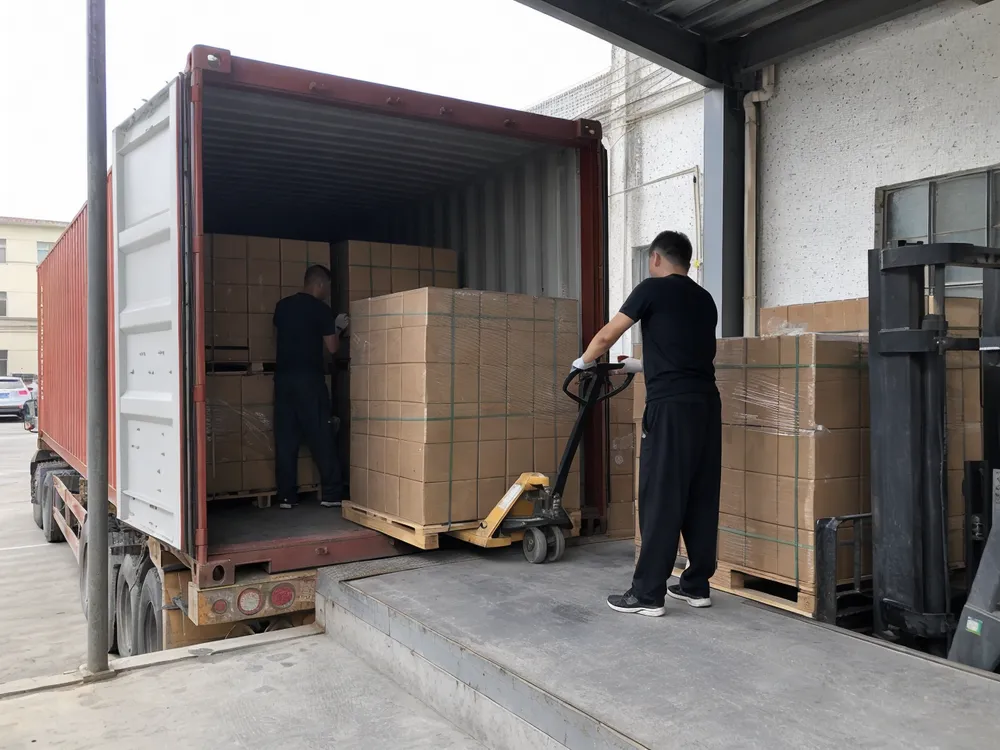
12V backup batteries ship in reinforced cartons with foam inserts — individual cell protection plus outer carton crush resistance rated for 5-high stacking. For lithium shipments, packing complies with IATA/IMDG dangerous goods packaging requirements (UN3481 for lithium ion batteries packed with equipment, UN3480 for standalone batteries).
Container loading reference for 12V 100Ah LiFePO4 (approximate):
20GP container
~1,600–1,800 units
depending on pallet configuration
40HQ container
~3,500–4,000 units
high-cube capacity
For markets with rough inland logistics — sub-Saharan Africa, rural South America — we reinforce palletization and add moisture barrier bags. (We learned early that standard export packing isn't enough when batteries travel 200km on unpaved roads after port clearance.)
Dangerous goods declaration, packing list, commercial invoice, and certificate of origin are prepared by our export team for every shipment. If you need specific labeling for your customs broker or warehouse system, we accommodate that on the outer carton.
Confirm your destination market
We'll verify which documents you need and prepare a logistics plan tailored to your port and inland route.
Get Logistics PlanFull certification library
View all test reports, declarations, and factory certifications available for download.
Solar Battery Certifications & Export DocsChoose Backup, Deep Cycle, or Charger — Without Leaving the 12V Range
Not every buyer landing on this page needs a backup-duty battery. Here's how to navigate the 12V solar battery product family:
Standby Backup Power
Solar UPS, security, telecom — optimized for long standby + infrequent deep discharge; BMS tuned for surge loads.
12V Solar Battery Backup
Daily Cycling for Off-Grid
Optimized for daily charge/discharge cycles; higher cycle life at moderate DOD.
12V Deep Cycle Solar BatteryCharging Hardware
Controllers, inverters, and charging equipment — not battery packs.
12V Solar Battery ChargerFull 12V Product Overview
All 12V products, chemistries, and applications in one view.
12V Solar Battery RangeConsolidated orders: If your product line spans multiple 12V applications — say you stock both backup batteries for security installers and deep-cycle batteries for solar home kits — we can produce both on the same order and ship in one container. Same factory, same QC standards, consolidated logistics.
For larger residential backup systems (48V, wall-mounted, stackable), see our home solar battery backup range.
Procurement FAQ for 12V Solar UPS Battery Orders
Practical answers to the sizing, compatibility, documentation, and quoting questions our distribution partners ask most often.
How do I calculate the right Ah capacity for a 12V solar battery backup?
Start with the load wattage and required backup hours. Formula:
Ah = (Load watts × backup hours) / (12V × DOD × inverter efficiency)
For a 200W load needing 4 hours of backup with 80% DOD and 90% inverter efficiency:
200 × 4 / (12 × 0.8 × 0.9) = ~93Ah. Round up to 100Ah and you have margin for capacity degradation over time.
Send us your load profile and we'll confirm the sizing.
LiFePO4 vs gel/AGM for a 12V solar UPS battery — which should I stock?
Depends on your market's price sensitivity and replacement cycle expectations.
LiFePO4
- 3–5× the cycle life
- Weighs 60% less
- Holds capacity better in partial-state-of-charge conditions typical of backup duty
- Higher absolute margin per unit
Gel / AGM
- Lower upfront cost per unit
- Works well in price-sensitive markets
- Buyers replace every 3–5 years anyway
Many of our distributors stock both — lithium for premium channels, lead-acid for value channels. The margin percentage is often similar; the absolute margin per unit is higher on lithium.
Can a 12V LiFePO4 backup battery directly replace a 12V lead-acid in existing systems?
In most cases, yes — the nominal voltage is compatible. Two things to verify:
- 1 The charge controller or charger must support LiFePO4 charge profile (14.2–14.6V absorption, not the 14.8V+ that some lead-acid chargers use).
- 2 The system must accommodate the different discharge curve (LiFePO4 holds voltage flat until near-empty, then drops sharply).
We provide a compatibility checklist with every lithium model data sheet.
What BMS protections matter most for backup-duty batteries?
For backup applications, these protections are critical:
Also recommended: Low-voltage reconnect hysteresis — the BMS should reconnect at a voltage high enough to confirm the charger/solar panel is actively recharging, not just a brief voltage bounce.
Can 12V backup batteries be connected in parallel for more capacity?
Yes, LiFePO4 models with BMS support parallel connection — typically up to 4 units.
We match internal resistance across parallel-intended sets during production to prevent current imbalance.
If you're selling expandable backup kits, specify the maximum parallel configuration at order time so we can tighten the matching tolerance for that batch.
What documents do I need to import 12V lithium batteries?
At minimum:
- UN38.3 test summary
- MSDS
- Packing list with correct UN numbers (UN3480 or UN3481)
- Dangerous goods declaration
For European markets, add CE declaration and IEC 62133 report.
For other markets, check local requirements — we maintain a market-by-market documentation guide and can confirm what your customs broker will need before we ship.
What information does EVANBattery need to provide an accurate quote?
Send us:
If you have a reference product or competitor sample, share the data sheet or photos — we'll match or improve the spec and quote accordingly.
Typical response time: 48 hours.
Explore more in the 12V Solar Battery range