

12V Solar Battery Charger Packs Charge-Matched, BMS-Protected, Kit-Ready
We manufacture the battery and BMS side of your 12V solar charging system, configured to work predictably with your controller and inverter setup.
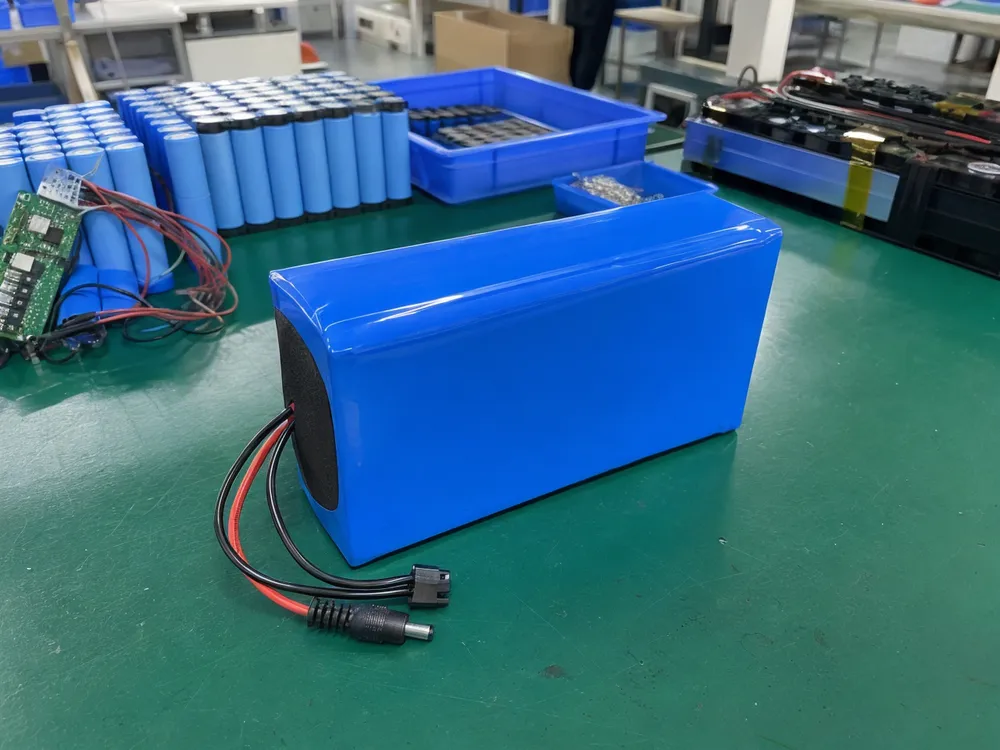
12V Solar Battery Charger Packs Built for Charging System Integration
If you source or assemble solar kits, the battery pack is where charge failures start. A 12V solar battery charger pack from EVANBattery is a battery configured specifically for solar charge acceptance — correct charge voltage window, matched BMS protection, and terminal layout designed for direct connection to PWM or MPPT controllers.
We don't manufacture charge controllers, panels, or inverters. We manufacture the 12V battery packs and BMS systems that sit between your solar input and your load. That's been our single focus since 2012 — 13 years of solar battery production across LiFePO4, gel, and AGM chemistries. As a 12V solar charger supplier, we handle the battery engineering so your kit performs as a system, not as a collection of mismatched parts.
Your commercial value here is straightforward: fewer charge-mismatch returns, cleaner SKU selection for your catalog, and a factory that understands what "charger-compatible" actually means at the cell and BMS level. Whether you're building solar home kits for African distributors or supplying LiFePO4 packs to European RV dealers, the battery needs to accept charge correctly from day one.
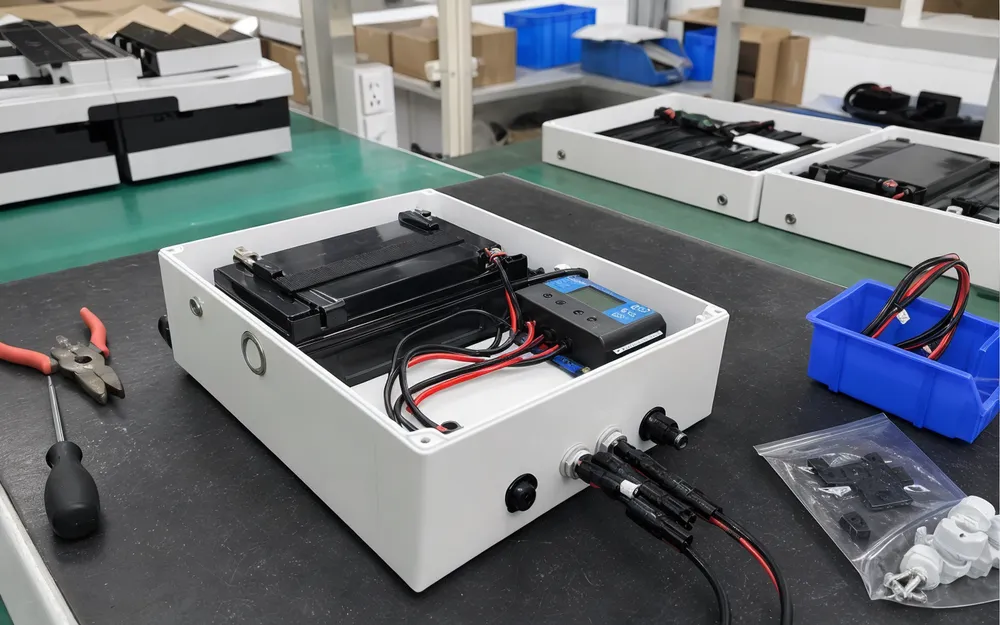
Charge-Matched
Voltage window tuned for PWM/MPPT controllers
BMS-Protected
Over-charge, over-discharge, short circuit, temperature
13 Years Production
LiFePO4, gel, and AGM since 2012
Fewer Returns
Charge-mismatch warranty claims eliminated at spec stage
Ready to confirm compatibility?
Send us your controller type, target capacity, and chemistry preference — we'll confirm compatibility and quote within 48 hours.
Charge-Matched Specifications for Your Comparison Sheet
The table below covers our standard 12V solar battery charger configurations. These are industry-typical values for the chemistries we produce — your final data sheet will reflect the exact capacity, BMS settings, and terminal layout confirmed during quoting.
| Parameter | 12.8V LiFePO4 | 12V Gel (VRLA) | 12V AGM (VRLA) |
|---|---|---|---|
| Nominal Voltage | 12.8V (4S) | 12V (6-cell) | 12V (6-cell) |
| Typical Capacity Range | 20Ah – 300Ah | 50Ah – 250Ah | 50Ah – 200Ah |
| Charge Voltage (absorption) | 14.2V – 14.6V | 14.1V – 14.4V | 14.4V – 14.7V |
| Float Voltage | 13.6V | 13.5V – 13.8V | 13.5V – 13.8V |
| Max Charge Current (typical) | 0.5C – 1C | 0.1C – 0.2C | 0.15C – 0.25C |
| Discharge Cut-off | 10.0V (BMS-controlled) | 10.5V | 10.5V |
| Cycle Life (80% DOD) | 2,000 – 4,000 cycles | 500 – 800 cycles | 400 – 600 cycles |
| Operating Temp (charge) | 0°C to 55°C | -10°C to 50°C | -10°C to 50°C |
| BMS Protection | Over-charge, over-discharge, over-current, short circuit, temperature | N/A (controller-dependent) | N/A (controller-dependent) |
| Terminal Options | M8 bolt, Anderson connector, custom harness | M8 bolt, F12 tab | M8 bolt, F12 tab |
| Enclosure | ABS/metal case, IP55 available | ABS sealed case | ABS sealed case |
Note on LiFePO4 charge voltage: The charge voltage window is narrower than lead-acid — if your controller doesn't have a lithium profile, we can adjust BMS parameters to tolerate a slightly wider input range, though this trades off some cycle life.
Why This Matters Commercially
When you put these numbers into a comparison sheet alongside two other suppliers, you can verify whether the charge parameters actually match your controller's output settings. Mismatched charge voltage is the single most common reason 12V solar batteries come back as warranty claims — and it's entirely preventable at the specification stage.
Specifications shown are industry-standard values for this product type. Actual specifications may vary by capacity, chemistry, and BMS configuration.
Request Data Sheet & QuoteBMS and Cell Matching That Reduce Charge-Related Warranty Risk
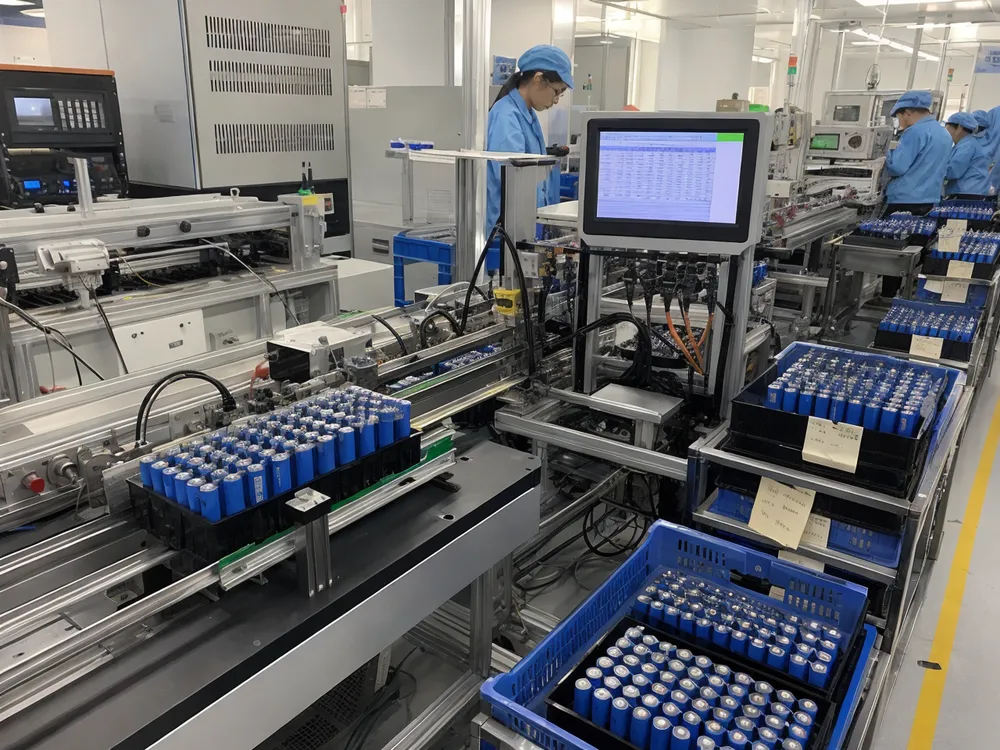
The most expensive battery failure for a distributor isn't a dead cell — it's a batch of 200 packs that drift apart after six months because the cells weren't matched properly at assembly. We've seen this pattern from buyers switching to us after sourcing from factories that skip automated sorting.
Our cell matching process groups cells by measured voltage (within 20mV), internal resistance (within 5mΩ), and actual capacity (within 2% of nominal). We run this on an automated sorting line, not by hand with a multimeter. The result is that every pack in your batch behaves the same way under charge — same absorption time, same float behavior, same capacity delivery. For your business, that means predictable field performance and warranty exposure you can actually model.
The BMS is designed and manufactured in-house by our 18-engineer R&D team. For 12V solar charging applications specifically, we program protection thresholds to match the charge profile your controller delivers.
BMS Protection Thresholds for 12V Solar Charging
Over-Charge Protection
14.8V
Cell-level: 3.7V/cell
Over-Discharge Cut
10.0V
Prevents deep discharge damage
Over-Current & Short Circuit
ms Response
Millisecond-level protection
Low-Temp Charge Lockout
0°C
Prevents cold-morning degradation
Cell Matching Tolerances
| Parameter | Tolerance | Method |
|---|---|---|
| Measured Voltage | Within 20mV | Automated sorting line |
| Internal Resistance | Within 5mΩ | Automated sorting line |
| Actual Capacity | Within 2% of nominal | Automated sorting line |
Full Lifecycle Testing on Every Production Batch
We run full lifecycle testing on every production batch: capacity verification, 500+ cycle aging samples, high-temperature soak at 55°C, and low-temperature discharge at -20°C. This isn't type-approval testing done once and filed away — it runs on every batch before your order ships.
500+
Cycle Aging Samples
55°C
High-Temp Soak
-20°C
Low-Temp Discharge
100%
Batch Coverage
Field lesson: We added the cold-morning charge lockout after a batch of returns from a South African distributor whose end users were charging LiFePO4 packs at 4 AM in winter. The cells were fine, but the capacity degradation was measurable after three months.
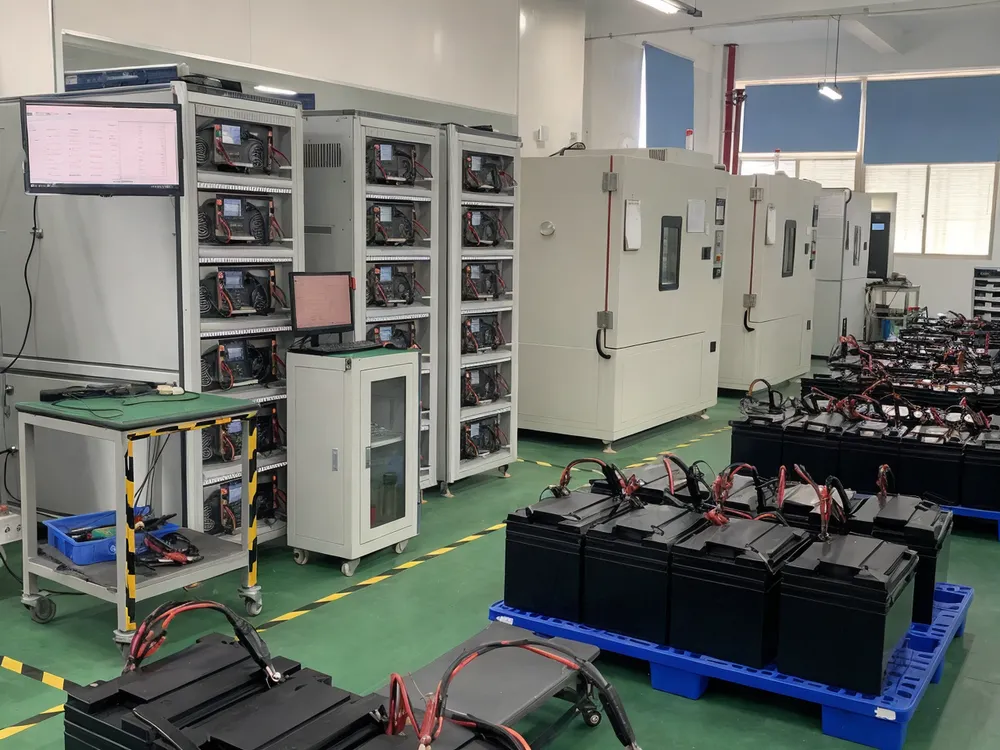
Your warranty risk drops when the battery is engineered for the charge environment it actually lives in.
Learn More About Our Manufacturing CapabilitiesCommercial Segments Where a 12V Charging SKU Earns Its Shelf Space
A 12V solar battery charger pack isn't a single product — it's a platform that fits into several distinct market segments, each with its own order pattern and margin structure. Here's where our buyers are placing these SKUs profitably:
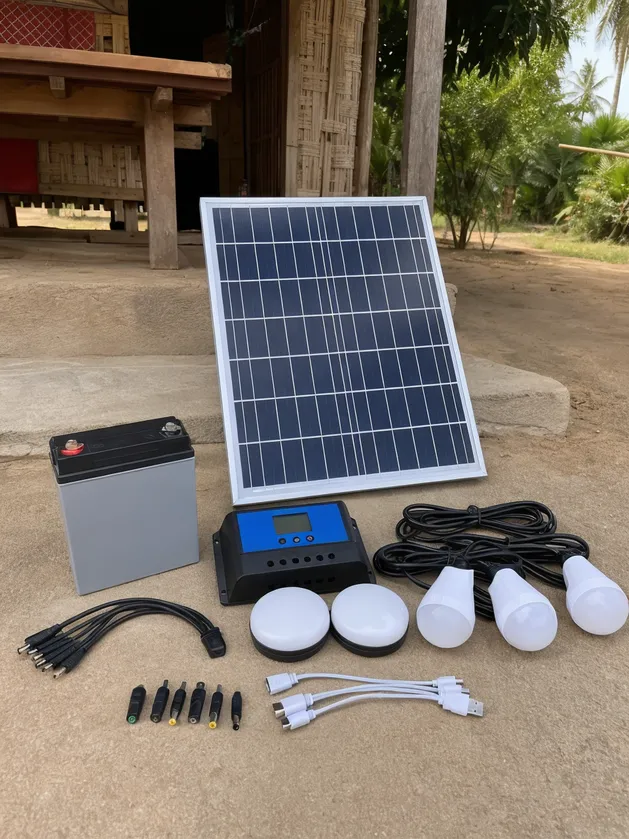
Rural Solar Home Kits and DC Lighting Systems
This is the highest-volume segment for 12V charger-matched batteries. Distributors in Africa and Southeast Asia bundle a 12V battery with a small panel, PWM controller, and DC LED lights. Orders typically run 500–2,000 units per shipment, with quarterly reorders tied to NGO procurement cycles or seasonal demand.
The battery is the component most likely to generate returns if charge parameters are wrong — gel batteries overcharged by cheap PWM controllers swell and leak within months. We configure charge acceptance and BMS limits (on lithium models) to tolerate the voltage behavior of budget controllers common in this segment.
RV, Marine, and Mobile Solar Distributors
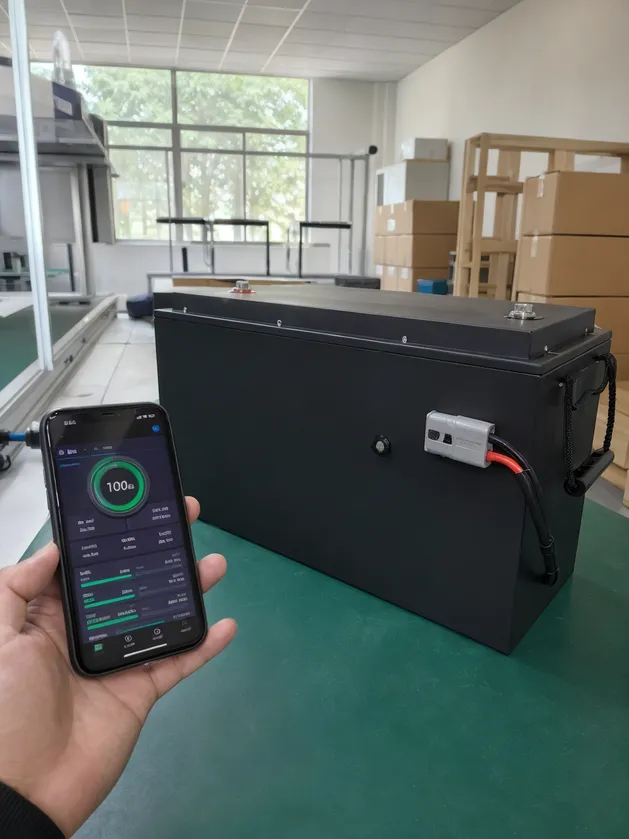
Compact 12V LiFePO4 packs (100Ah–200Ah) command premium pricing in the RV and marine aftermarket. Your margin on a lithium upgrade pack is typically 2–3x what you'd earn on a lead-acid equivalent, and the weight savings (roughly 60% lighter than gel at equivalent capacity) is the selling point your downstream customers respond to.
We supply these with Anderson connectors, Bluetooth BMS monitoring, and custom labels — the features that justify catalog pricing above commodity packs.
Telecom, Monitoring, and Security Infrastructure
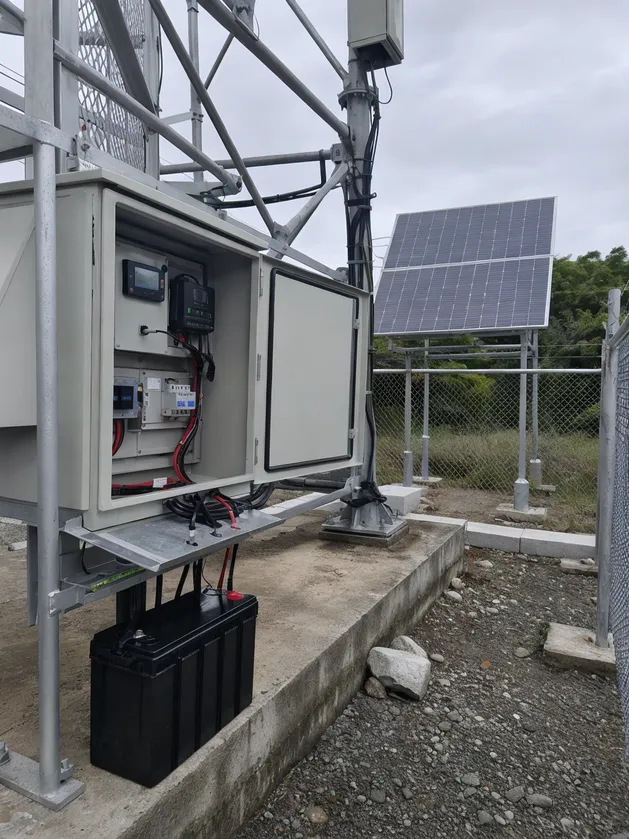
Telecom towers, CCTV systems, gate controllers, and remote monitoring stations run on 12V solar with battery backup. These are project-based orders — 50–200 units per site deployment — with strict uptime requirements.
The BMS temperature protection and low-self-discharge characteristics of LiFePO4 reduce site maintenance visits, which is the value proposition your project buyer cares about. We've shipped configurations with RS485 communication for remote battery monitoring on telecom deployments in the Middle East.
Lead-Acid Replacement Programs
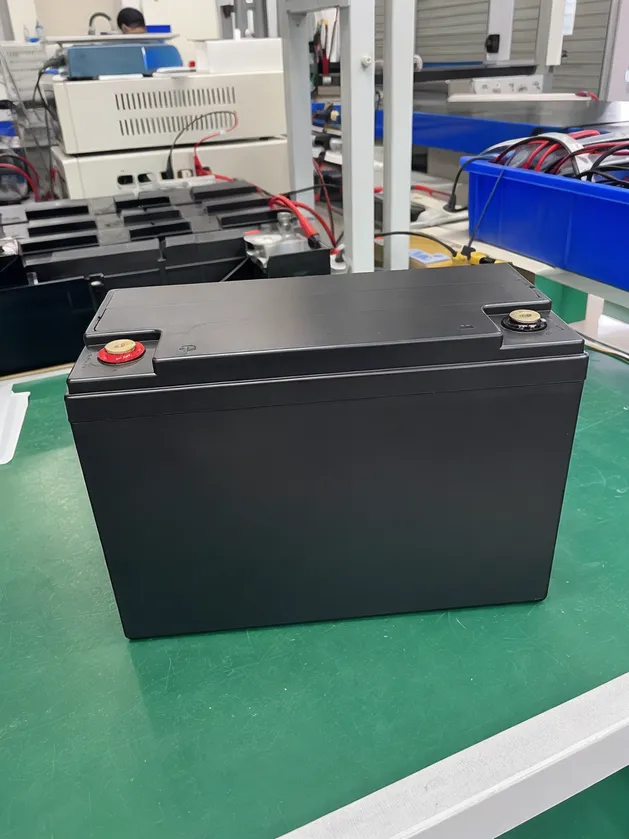
If your existing customer base runs 12V gel or AGM solar batteries and you want to offer a LiFePO4 upgrade path, we can configure drop-in replacement packs with the same terminal layout, case dimensions, and charge voltage compatibility. This lets you sell into an installed base without requiring your customers to change their controllers — the BMS handles the charge profile translation.
This segment has grown steadily for us over the past three years as lithium prices have come down enough to make the upgrade math work for budget-conscious markets.
Controller and Inverter Compatibility Before You Commit Stock
The most common technical dispute we resolve for new buyers is this: "The battery arrived, we connected it to our controller, and it doesn't charge properly." Nine times out of ten, the issue is a parameter mismatch — not a defective battery.
Here's what you need to confirm before ordering:
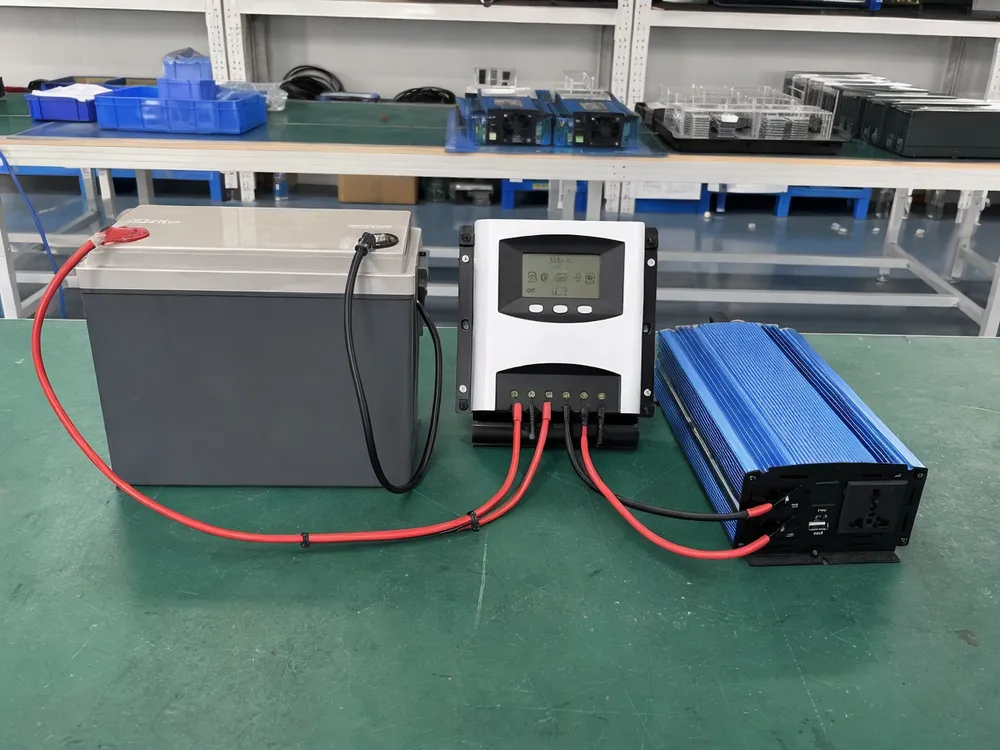
Charge Controller Matching
PWM Controllers
These pass panel voltage directly to the battery (minus a small drop). For 12V lead-acid, most PWM controllers work without adjustment.
For 12V LiFePO4, the controller must have a lithium charge profile — or at minimum, adjustable absorption and float voltage settings.
Common issue: If your controller is fixed at 14.4V absorption and 13.8V float, it will undercharge a LiFePO4 pack (which needs 14.4–14.6V absorption). We can adjust BMS acceptance parameters slightly, but there's a limit before you sacrifice cycle life.
MPPT Controllers
These regulate charge voltage independently of panel voltage, so they're more flexible. Most quality MPPT controllers (Victron, EPEver, Must, Srne) have selectable battery profiles including LiFePO4.
Critical check: Confirm the controller's maximum charge current doesn't exceed the battery's rated input — a 60A MPPT controller paired with a 50Ah battery at 1C max means you need to limit charge current in the controller settings.
12V Solar Battery Inverter Compatibility
When your system includes a 12V solar battery inverter, the critical parameter is the low-voltage disconnect (LVD) setting.
If the inverter cuts off at 11.5V but your LiFePO4 BMS disconnects at 10.0V, the inverter protects the battery before the BMS does — which is fine.
But if the inverter LVD is set below the BMS cut-off, the BMS will disconnect under load and the inverter may interpret this as a fault.
Our approach: We configure BMS discharge cut-off to sit above typical inverter LVD settings for the brands common in your market.
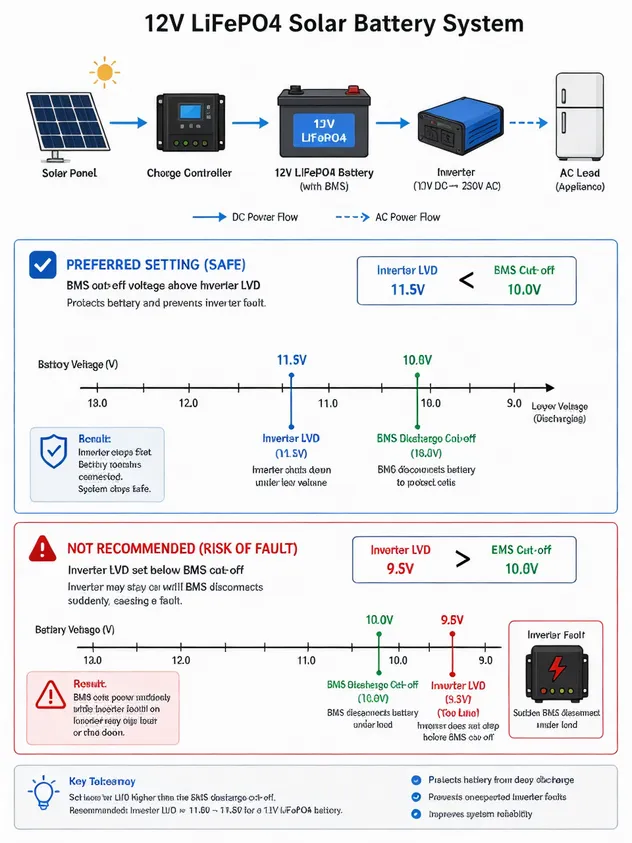
We keep a compatibility reference for the most common controller and inverter brands our buyers use — Victron, Growatt, Must, Srne, EPEver, Felicity.
If you're working with a brand not on that list, send us the charge profile settings and we'll confirm compatibility before production.
Your Pre-Order Checklist
Before requesting a quote, gather these parameters — it saves a round of back-and-forth:
Controller type (PWM or MPPT) and brand/model
Panel wattage and Voc
Daily load in Wh
Inverter brand/model and surge load
Ambient temperature range at installation site
Required runtime (hours of autonomy)
Destination market and any certification requirements
Our engineering team will confirm battery configuration and quote within 48 hours.
OEM Settings That Change the SKU Without Rebuilding Your Program
As a 12v solar battery charger manufacturer, we handle customization at three levels — and the MOQ and lead time scale with complexity:
Label & Packaging
Your brand name, logo, voltage/capacity markings, safety labels, barcode, and carton design on our standard battery models.
No engineering changes, no new tooling.
This is how most new buyers start — test the product under your brand before committing to deeper customization.
Configuration
These use existing cell configurations and enclosures but require BMS reprogramming or assembly line adjustment:
- Different capacity within the same case size
- Alternative terminal layout
- Specific cable harness with connector type
- Adjusted BMS protection thresholds
- Communication module addition (Bluetooth, RS485)
Engineering
Involves our R&D team and typically requires 30–45 days of development before production samples:
- Custom cell arrangement for non-standard voltage or capacity
- New enclosure design or dimensions
- Custom BMS firmware (CAN bus, Modbus)
- New charge/discharge curve profiles
Low-Risk Market Entry
The standard MOQ of 100 units for off-the-shelf models means you can test a market without overstocking. If the SKU moves, we scale production on the same line without re-qualification.
If you need to localize labels for a different region or adjust terminal type for a specific controller brand, that's a configuration-level change — no need to restart from scratch.
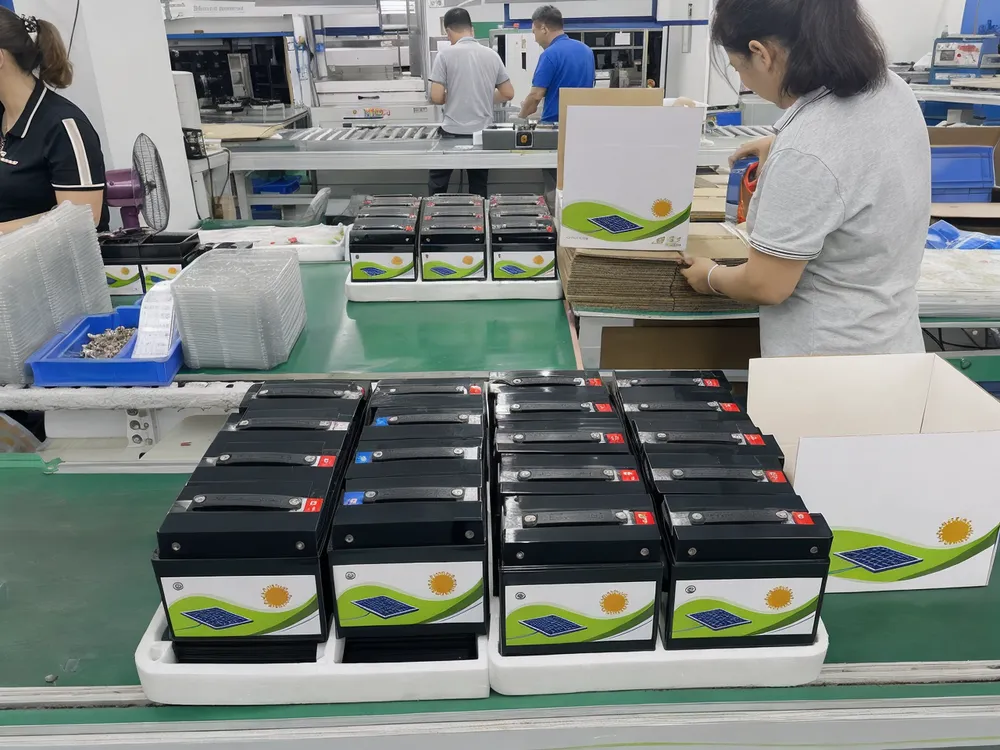
Limitations to Confirm Before Production
- Exact charge voltage compatibility with your specific controller must be verified during sampling.
- Custom BMS communication protocols require your inverter/EMS documentation for integration testing.
- We won't produce a custom configuration without a signed-off sample — this protects both sides from field issues.
Export Documents, Packing, and Reorder Control for Battery Shipments
Batteries are regulated goods. Your customs broker needs correct documentation, your freight forwarder needs proper dangerous goods declarations, and your warehouse needs packaging that survives ocean transit without damage. We handle this as part of standard order fulfillment — not as an afterthought.
Certification and Compliance Documents Available
| Document | Coverage | Purpose |
|---|---|---|
| UN38.3 Test Summary | All lithium models | Required for air and sea transport of lithium batteries |
| MSDS (Material Safety Data Sheet) | All chemistries | Required by freight forwarders and customs |
| CE Declaration of Conformity | All models for EU market | Market access for European distribution |
| IEC 62133 Test Report | Lithium models | Safety standard for portable/secondary cells |
| ISO 9001:2015 Certificate | Factory-level | Manufacturing quality management verification |
We maintain current documentation for every standard model. For custom configurations, UN38.3 testing is completed during the development phase — your first production order ships with documentation ready. (Some buyers have learned the hard way that ordering from a factory without current UN38.3 reports means their container sits at port for weeks while paperwork catches up.)
Packaging for Battery Shipments
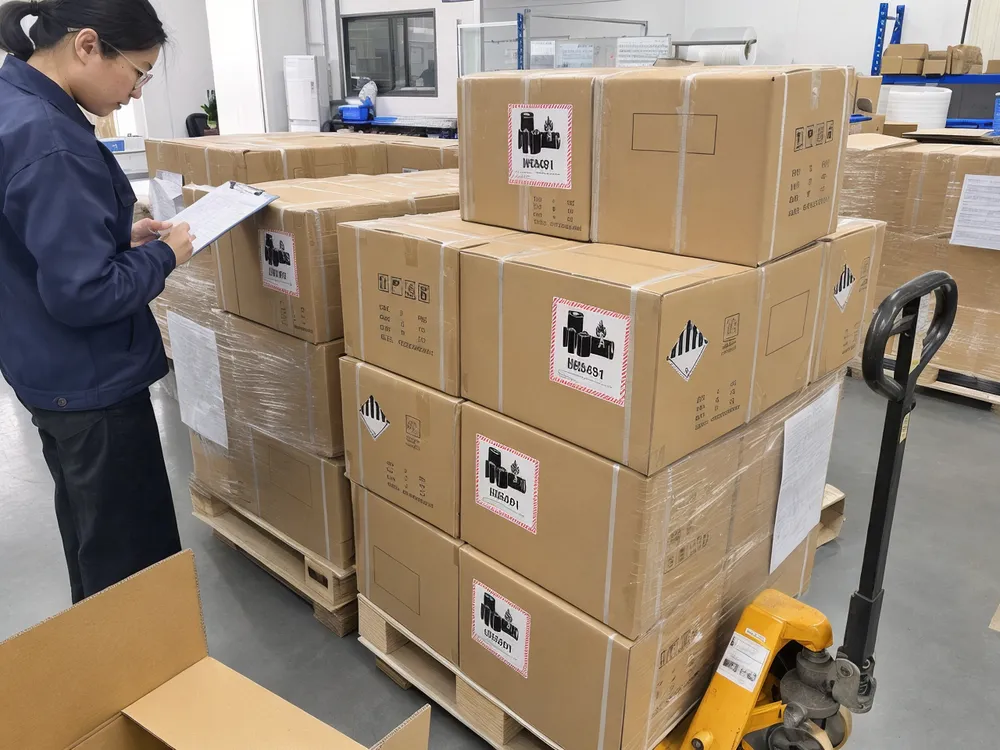
Standard packing uses reinforced double-wall cartons with foam inserts, individual battery poly-wrap, and pallet strapping for FCL shipments. Each carton is labeled with UN3481 (lithium) or appropriate markings for lead-acid, plus your model number and batch code for traceability.
For buyers shipping to markets with rough inland logistics — common in Africa and parts of Southeast Asia — we add corner protection and increase carton wall thickness.
Container Loading Reference
A standard 12V 100Ah LiFePO4 pack in ABS case loads approximately 400–500 units per 20GP depending on pallet configuration.
Reorder Consistency
Every order is traceable by batch code back to cell lot, BMS firmware version, and production date. When you reorder, we match the previous batch's specifications exactly — same cell supplier, same BMS parameters, same packaging.
Your downstream customers receive consistent product whether they buy from your first shipment or your fifth.
Choosing Between EVANBattery 12V Battery Options
The 12V solar battery category includes three product pages, each targeting a different buyer need. If you're not sure which fits your program, here's the selection logic:
12V Solar Battery Charger
You're sourcing batteries specifically for solar charging systems. Your primary concern is charge acceptance, controller compatibility, and BMS protection during the charge cycle.
Best Fit
- Solar kit assemblers
- Distributors bundling batteries with controllers
- Project contractors specifying charge-matched components
12V Deep Cycle Solar Battery
You're sourcing batteries for deep discharge applications — daily cycling at 50–80% DOD. Your primary concern is cycle life, discharge capacity, and long-term performance under repeated deep cycling.
Best Fit
- Battery-only replacement programs
- AGM/gel upgrade paths
- Applications where charging system is already specified
12V Solar Battery Backup
You're sourcing batteries for standby and emergency reserve power. Your primary concern is float life, self-discharge rate, and reliable discharge after extended idle periods.
Best Fit
- UPS-style applications
- Emergency lighting
- Backup systems that charge continuously but discharge rarely
All three share EVANBattery's cell matching, BMS engineering, and QC processes. The difference is in how the BMS is programmed, which charge/discharge profile is optimized, and which application scenarios the specifications target.
Not Sure Which Fits? Tell Us Your ApplicationProcurement Questions Buyers Ask Before Sampling
Direct answers to the charging, compatibility, and logistics questions that come up before your first sample order ships.
What charging voltage should I use for a 12V LiFePO4 solar battery?
Set your charge controller to 14.4–14.6V absorption and 13.6V float for a standard 4S LiFePO4 pack (12.8V nominal). These values apply to most MPPT and lithium-compatible PWM controllers.
If your controller only offers lead-acid profiles, the 14.4V "AGM" setting is close but may slightly undercharge — we can adjust BMS acceptance to compensate, though optimal cycle life requires the correct lithium profile.
Can a 12V lead-acid solar charger charge a LiFePO4 battery?
It depends on the charger's voltage output. A charger set to 14.4V absorption and 13.8V float (typical AGM profile) will charge a LiFePO4 pack to approximately 90–95% capacity — functional but not optimal.
A charger with a fixed gel profile (14.1V absorption) will significantly undercharge lithium cells. Our BMS includes over-charge protection regardless, so the battery won't be damaged — but you won't get full capacity.
For your catalog, this means you should specify controller compatibility clearly to avoid customer confusion.
How do I match a 12V solar battery with an inverter?
Confirm three parameters:
Set inverter LVD at 11.0–11.5V for a LiFePO4 pack with 10.0V BMS cut-off
Must not exceed the battery's rated discharge current
Our BMS handles short-duration surges up to 2C on most configurations
Send us your inverter model and we'll confirm the 12V solar battery inverter pairing before production.
What information should I send before requesting a 12V solar battery charger quote?
At minimum:
- Target chemistry (LiFePO4, gel, or AGM)
- Capacity (Ah)
- Charge controller type and brand
- Inverter brand/model if applicable
- Expected order quantity
- Destination market
- Branding or certification requirements
The more detail you provide upfront, the faster we can confirm compatibility and return an accurate quote. Incomplete requests typically add 3–5 days to the quoting cycle.
What MOQ does EVANBattery support for 12V solar battery orders?
Minimum order for white-label configurations
Different terminal, adjusted BMS parameters, communication module
New cell arrangement, custom enclosure, custom BMS firmware
We set these thresholds based on actual production economics — below them, the per-unit setup cost makes the landed price uncompetitive for your margin.
Which export documents are available for 12V solar battery shipments?
All standard models ship with documentation ready. Custom configurations receive UN38.3 testing during development — your first production shipment includes all required transport and compliance documents.
We can also provide packing lists, commercial invoices, and certificates of origin formatted for your customs broker's requirements.
Send Charging Parameters, Quantity, and Destination Market
You've read the specifications, compatibility guidance, and customization options. Here's what we need from you to return a technical recommendation and quote.
What to Include in Your Request
Within 48 hours
7–10 days