

Solar Battery Energy Storage Manufacturer-Direct Packs
Inverter-ready solar battery energy storage packs built for distributors, contractors, and OEM programs. LiFePO4 cells, in-house BMS, 12V/24V/48V platforms — configured to your inverter specs and shipped with full export documentation.
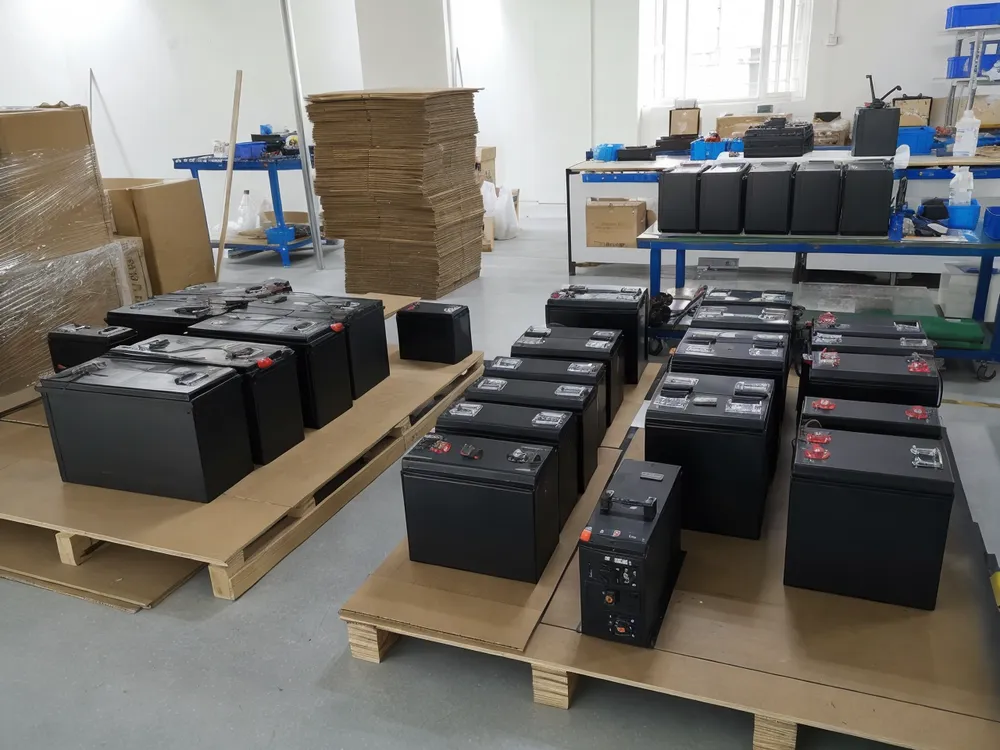
Solar Battery Energy Storage Built for Repeat Supply
We manufacture rechargeable solar battery packs — LiFePO4 chemistry, integrated BMS, inverter-compatible voltage platforms — for buyers who need consistent supply, not one-off retail units. Every pack leaves our facility with matched cells, programmed protection parameters, and the shipping documentation your import process requires.
This page covers what we build, how it's configured, and what you need to tell us to get a useful quote. If you already know your voltage, capacity, and inverter model, send your specs directly and we'll respond with a technical recommendation and pricing.
What Ships With Every Order
- Matched cells with consistent internal resistance
- Programmed BMS protection parameters
- Inverter-compatible voltage platforms
- Full shipping & export documentation
Match Voltage, Capacity, and Market Segment Before You Compare Unit Price
The right solar battery energy storage SKU depends on where it's going and what it connects to — not just the cell price per kWh. We see buyers waste weeks comparing unit costs across suppliers who aren't quoting the same configuration. A 48V 100Ah wall-mount with CAN communication and a 48V 100Ah floor-standing unit with RS485 are different products with different tooling, different BMS firmware, and different landed costs.
Here's how we think about platform selection:
12V Platform
12.8V LiFePO4Solar home systems, small off-grid installations, replacement for lead-acid deep-cycle batteries. Typical capacity range 50Ah–200Ah.
This is the volume play for African and Southeast Asian markets where solar home kits dominate. Reorder frequency is high because the end-user base is large and growing.
24V Platform
25.6V LiFePO4Mid-size off-grid and hybrid residential systems. Common in markets transitioning from 12V to higher-voltage architectures. Capacity range typically 50Ah–200Ah.
Fewer SKUs in the market means less price pressure for your distribution margin.
48V / 51.2V Platform
51.2V LiFePO4Residential backup, commercial storage, telecom, and rack-mounted systems. This is where most hybrid inverter ecosystems operate. Capacity from 100Ah to 280Ah per module, stackable or rack-mounted.
Higher unit value, longer sales cycle, but stronger margin per unit.
Mixed-Voltage Containers Ship Complete
We run all three voltage platforms on separate production lines simultaneously — your mixed-voltage container ships complete rather than in split deliveries. This eliminates the scheduling delays that come from sequential production runs across voltage tiers.
If you're evaluating which platform fits your market, compare our LiFePO4 solar battery options for chemistry-specific details including cycle life data, temperature performance, and cell-level specifications.
Procurement Specification Table for Solar Battery Energy Storage Orders
This table covers the configurable range across our standard rechargeable solar battery models. Use it to compare against your project requirements or existing supplier quotes. Exact values depend on the specific model and any OEM customization — we'll confirm precise datasheets before order.
| Parameter | Standard Range / Options |
|---|---|
| Cell Chemistry | LiFePO4 (lithium iron phosphate) |
| Nominal Voltage | 12.8V, 25.6V, 51.2V |
| Capacity Range | 50Ah – 280Ah (per module) |
| Energy Range | 0.64 kWh – 14.3 kWh (per module) |
| Cycle Life | ≥4,000 cycles at 80% DOD (typical for Grade A cells) |
| BMS Type | In-house designed, active balancing |
| Communication Options | RS485, CAN bus, Bluetooth (model-dependent) |
| Charge Voltage | 14.6V / 29.2V / 56.0V (chemistry-matched) |
| Max Continuous Discharge | 50A – 200A (model-dependent) |
| Operating Temperature | -20°C to 55°C (discharge); 0°C to 45°C (charge) |
| Enclosure Format | Wall-mounted, floor-standing, rack-mounted (19" standard), stackable module |
| Protection Rating | IP20 (indoor) / IP65 (outdoor-rated models) |
| Certifications | ISO 9001:2015 CE IEC 62133 UN38.3 MSDS |
| Warranty | Typically 5–10 years (model and application dependent) |
Specifications shown are standard values across our solar battery energy storage product line. Actual specifications vary by model and configuration. Contact us for detailed product datasheets.
Your comparison sheet needs exact numbers, not ranges. Send your required voltage, capacity, and quantity — we'll return a model-specific datasheet with confirmed parameters.
Solar Battery Inverter Compatibility Starts at the BMS
The most common field failure we see in solar battery energy storage installations isn't cell degradation — it's communication mismatch between the battery BMS and the inverter. The battery charges and discharges fine on the bench, but once connected to a hybrid inverter expecting specific CAN frames or Modbus registers, the system throws faults, limits power, or refuses to commission entirely.
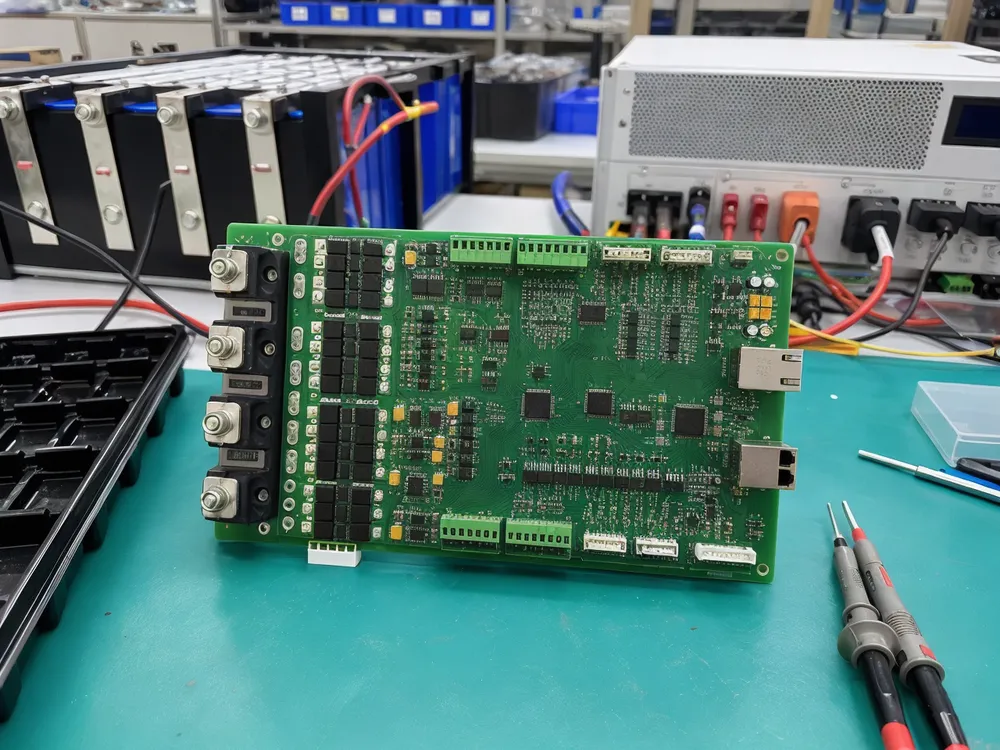
We design and manufacture BMS boards in-house specifically to avoid this problem. When you tell us your inverter brand and model, our engineers configure the communication protocol, voltage window, charge/discharge current limits, and protection thresholds to match that inverter's requirements. This isn't a generic BMS with a compatibility list — it's firmware tuned to the actual handshake your system needs.
What Determines Solar Battery Inverter Compatibility
Voltage Window
The BMS must report SOC and voltage within the range the inverter expects. A 51.2V nominal pack needs to match the inverter's high-voltage cutoff and low-voltage reconnect points precisely.
Communication Protocol
RS485 (Modbus RTU), CAN bus, or proprietary protocols depending on the inverter manufacturer. We support all three and can adjust register mapping for specific brands.
Charge/Discharge Current Limits
The BMS communicates maximum allowable current to the inverter in real time. If these limits don't match the inverter's expectations, the system throttles or faults.
Protection Coordination
Over-voltage, under-voltage, over-current, and temperature protection thresholds must align between BMS and inverter — otherwise one system trips while the other is still operating normally.
Confirmed Inverter Brands
We've configured packs for Deye, Growatt, Victron, Goodwe, SMA, and Solis among others. If your inverter isn't on that list, send us the communication protocol document and we'll confirm compatibility before you commit to an order.
Multi-Battery Parallel Deployment
For projects where you're deploying multiple battery modules in parallel, BMS coordination becomes even more critical. Our packs support parallel operation with balanced current sharing — but the inverter must also support multi-battery communication. Tell us your system architecture and we'll confirm whether it works before you order 500 units.
Include your inverter brand, model, and firmware version when reaching out.
Market Segments Where One Storage Platform Supports Repeat Orders
Solar battery energy storage isn't one market — it's five or six distinct segments, each with different order patterns, margin structures, and technical requirements. We work with buyers across all of them, and the commercial logic differs enough that it's worth understanding which segment you're targeting before you spec a battery.
Residential Backup Distribution
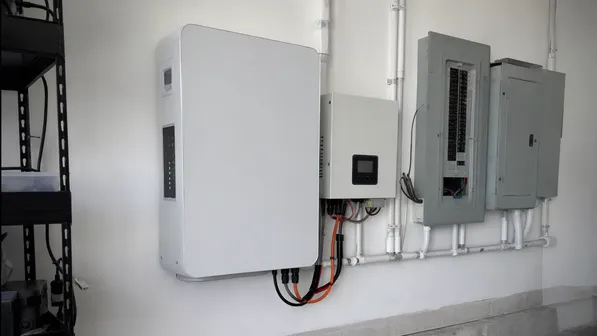
The 48V/51.2V wall-mounted or stackable LiFePO4 pack is the core SKU here. Homeowners want backup power during grid outages; your customers (installers and electricians) want a battery that commissions quickly with popular hybrid inverters.
Typical order pattern: 200–500 units per quarter from established distributors, with reorders on the same SKU for 2–3 years once the installer base adopts it.
Your margin depends on brand consistency and zero-callback reliability — which is why cell matching and BMS quality matter more than the lowest FOB price.
Off-Grid Solar Projects
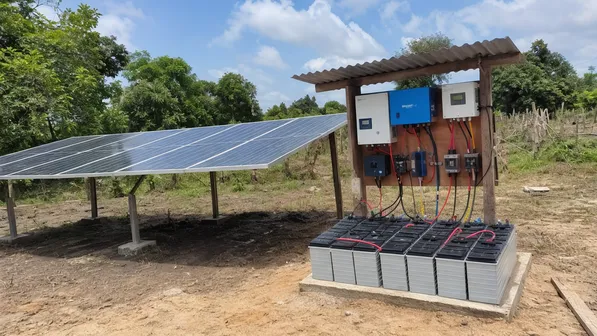
12V and 24V platforms for regions with weak or absent grid infrastructure. Africa, rural Southeast Asia, Pacific Islands.
Order pattern: Project contractors order in batches tied to specific installations — 50–200 units per project, but multiple projects per year.
The rechargeable solar battery needs to survive high ambient temperatures, irregular charge cycles, and rough logistics. We reinforce packaging for overland transport and configure BMS low-temperature cutoffs for equatorial climates where cold isn't the problem but heat cycling is.
Telecom Tower Backup
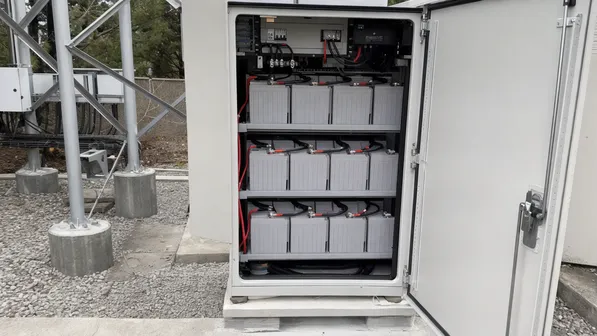
Telecom operators need 48V battery banks that deliver predictable backup duration and survive 8–10 years of float charge in outdoor cabinets.
Order volumes: 500–2,000 units per rollout phase. Specifications are locked by the network operator.
Once you qualify a battery for a telecom program, reorders are automatic. We provide the IEC 62133 and UN38.3 documentation your telecom client's procurement team requires for vendor qualification.
Small Commercial Storage
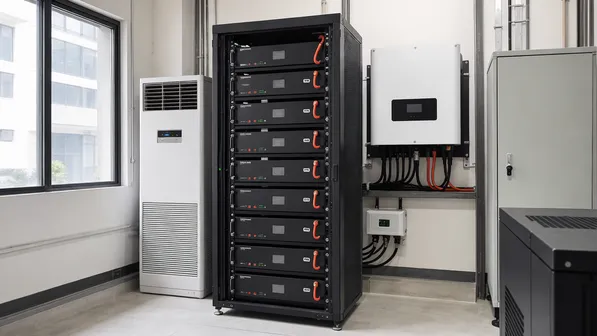
Rack-mounted 48V/51.2V modules for peak-shaving, demand response, and backup in commercial buildings. This segment is growing fast in Europe and the Middle East.
Typical system size: 10–50 kWh, meaning 2–10 modules per installation.
Your buyers are solar EPC companies who need a reliable battery supplier they can spec into multiple project proposals without re-qualifying each time.
Lead-Acid Replacement Programs
Fastest-Growing Segment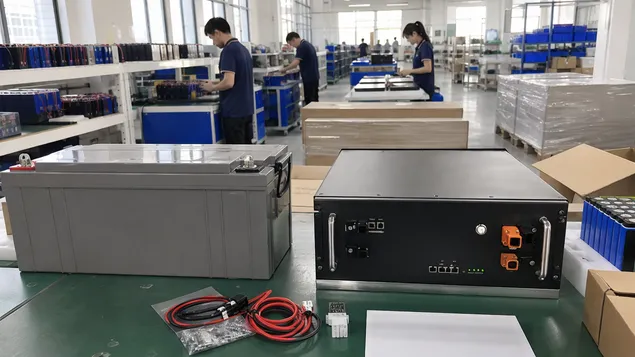
Distributors currently selling gel or AGM solar batteries can offer lithium upgrades to their existing customer base. The value proposition is straightforward:
- 3–4x cycle life
- 30–40% weight reduction
- Lower total cost of ownership over 5 years
We manufacture both chemistries under one roof, so we understand the transition path — and we can help you position the lithium upgrade without cannibalizing your lead-acid margin overnight.
The lead-acid replacement angle has been our fastest-growing segment for the past three years. Buyers who already have distribution channels for gel batteries can add LiFePO4 SKUs with minimal market education.
See which configurations match your target segment.
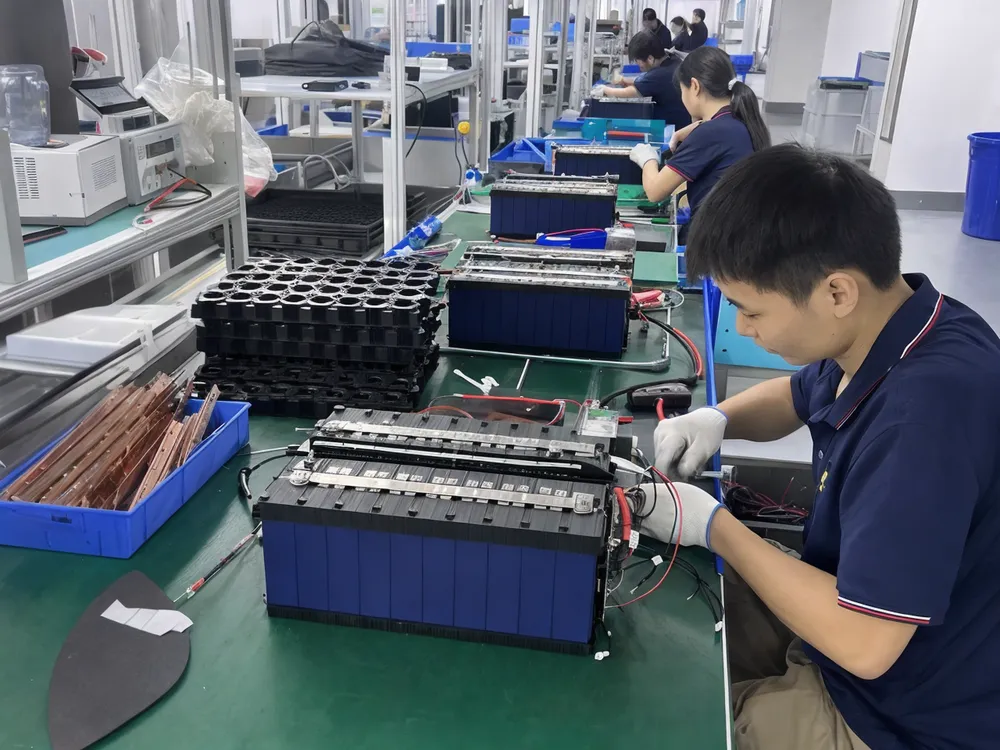
Cell Sorting, Pack Assembly, and Batch Testing Before Shipment
We've been manufacturing solar batteries since 2012 — long enough to know that the production steps buyers never see are the ones that determine whether your field warranty exposure stays at 1% or climbs to 5%. Here's what happens between raw cells arriving at our facility and finished packs reaching your container.
Automated Cell Sorting and Matching
Every incoming cell batch gets tested for actual voltage, internal resistance, and capacity — not the supplier's label values. We group cells within 20mV voltage variance and 5mΩ resistance variance before they enter pack assembly.
Tight matching is what prevents the weakest cell in a pack from dragging down the entire module's cycle life.
We rejected three cell suppliers in 2023 alone because their batch-to-batch consistency couldn't hold our sorting window. Cheaper cells aren't cheaper if 8% of them get rejected at incoming inspection.
In-House BMS Integration
Every BMS board is designed, assembled, and programmed in our facility by our 18-engineer R&D team. Protection parameters — over-charge, over-discharge, over-current, short-circuit, and temperature limits — are set to match the specific cell grade and application profile in each pack.
A 48V commercial rack unit gets different thresholds than a 12V portable system because the duty cycles and failure modes are fundamentally different.
Full Lifecycle Testing on Every Production Batch
We run these tests on every batch, not just during initial type approval:
- Capacity verification
- Charge/discharge cycling
- High-temperature soak at 55°C
- Low-temperature discharge at -20°C
- Vibration and drop testing (sample basis)
If a batch drifts outside acceptance limits, production stops on that SKU until root cause is identified.
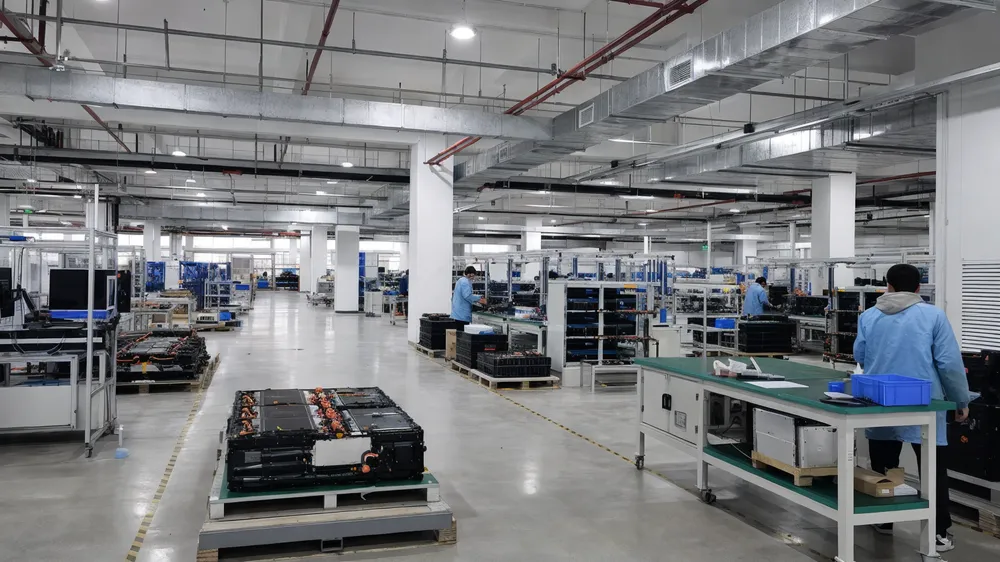
Lithium and lead-acid assembly occupy separate zones with independent ventilation and QC checkpoints — enough capacity to run your repeat program alongside other buyers without queue delays.
OEM/ODM Customization Without Turning Every Order Into a New Project
Most buyers need some level of customization — even if it's just a logo on the housing and your brand name on the label. We've structured our OEM/ODM process to separate simple configuration changes from deep engineering work, so you know upfront what affects your MOQ and lead time.
Standard Customization
100-unit MOQ, no engineering surcharge- Label and logo printing (your brand, your regulatory marks)
- Housing color selection from existing options
- BMS communication protocol selection (RS485, CAN, Bluetooth)
- Documentation package (your brand name on test reports, user manuals, warranty cards)
- Packaging design (your carton artwork, pallet configuration)
Configuration Customization
MOQ varies, typically 200–500 units- Non-standard voltage or capacity combinations (e.g., 25.6V 150Ah for a specific inverter match)
- BMS firmware adjustment for specific inverter compatibility
- Enclosure modification (mounting bracket changes, connector type, cable length)
- Custom charge/discharge curves for specific application profiles
Deep OEM Development
MOQ 500+ units, development cycle required- New pack architecture or form factor
- Custom BMS hardware design
- New enclosure tooling
- Application-specific safety certifications for your target market
We'll tell you which category your request falls into during the first conversation, so you can plan your landed cost and timeline accurately. No surprises at the proforma stage.
Practical note: If you're testing a new market, start with our standard models under your brand. Once you've validated demand with 2–3 reorders, invest in deeper customization. We've seen too many buyers spend engineering budget on custom packs before confirming their market actually wants the product.
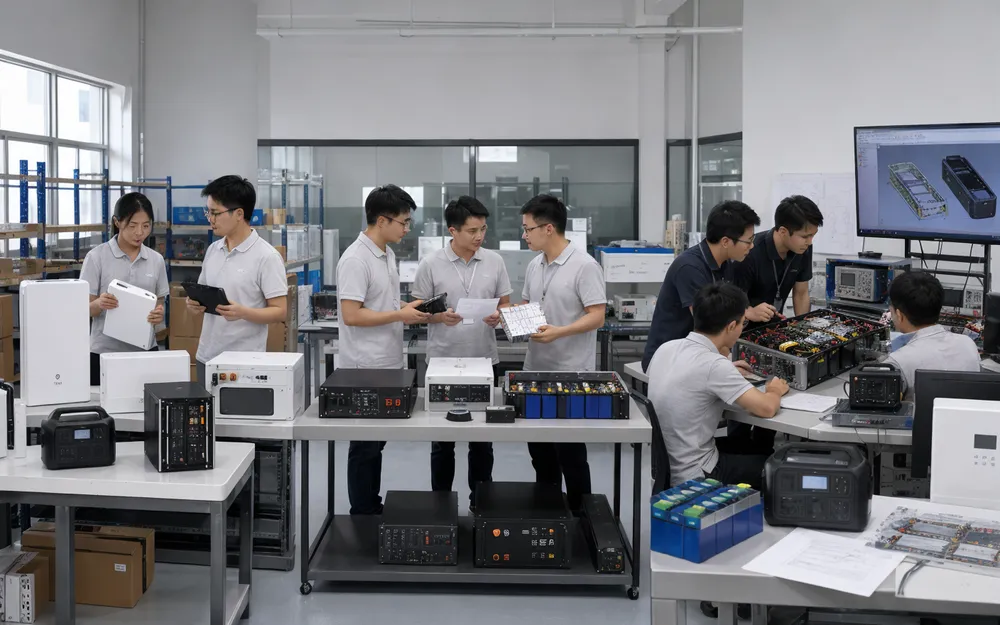
How the Process Works
- Share your target voltage, capacity, branding needs, and estimated annual volume
- We classify your request into one of the three tiers above
- You receive a clear MOQ, lead time, and cost breakdown — no hidden engineering fees
- Approve the proforma and we begin production or development
Include your target voltage, capacity, branding needs, and estimated annual volume.
Compliance Documents and Battery Export Logistics That Keep Orders Moving
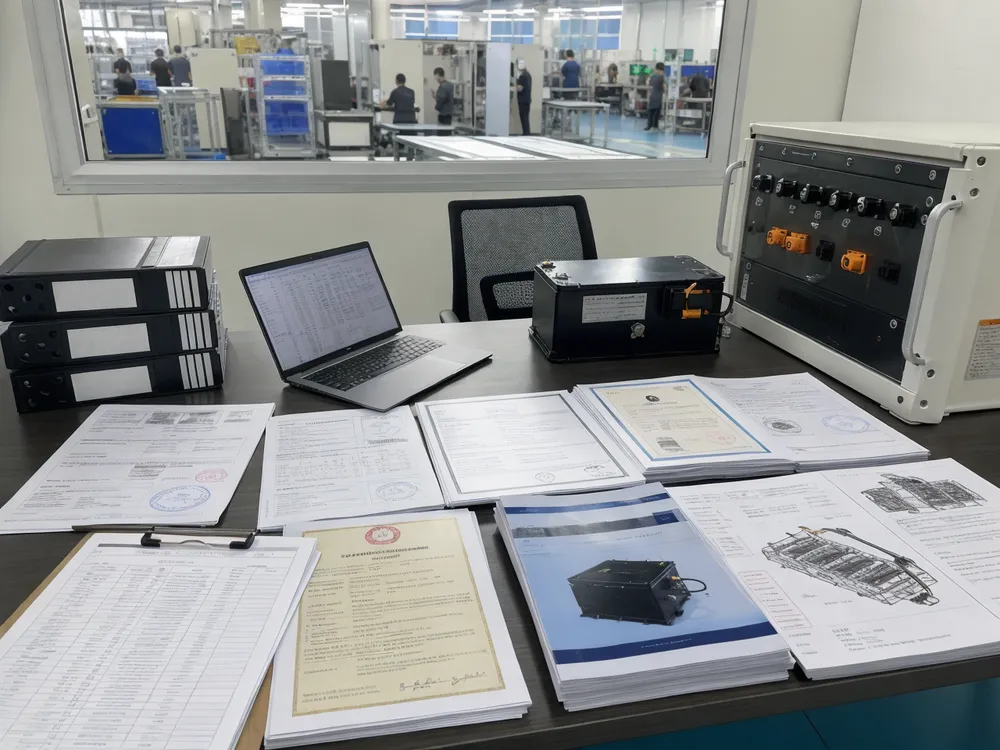
Lithium batteries are classified dangerous goods for international shipping. Missing or incorrect documentation means port delays, rejected shipments, and penalty charges that eat your margin. We maintain current compliance documentation for every standard model and provide document packages as part of the order process.
Certifications Held (Confirmed, Reports Available on Request)
| Certification | Scope | Buyer Value |
|---|---|---|
| ISO 9001:2015 | Manufacturing management system | Batch-to-batch consistency, traceability, corrective action process |
| CE | Product safety for European market | Required for EU import clearance |
| IEC 62133 | Safety of portable sealed secondary cells | Covers cell and pack safety testing |
| UN38.3 | Transport testing for lithium batteries | Required for air and sea freight declarations |
| MSDS | Material safety data sheet | Required by freight forwarders and customs |
What This Means for Your Import Process
UN38.3 test summaries and MSDS sheets ship with every order. CE and IEC 62133 reports are available for your market registration files.
If your destination market requires additional local certification (UL for North America, BIS for India, KC for Korea), our engineering team supports the application process with test samples and technical data packages.
Packaging for Battery Freight
Reinforced Cartons
Palletized with cartons rated for stacking during container transit
Foam Inserts
Each unit individually boxed with foam inserts to prevent movement damage
Container Optimized
Pallet dimensions optimized for 20GP and 40HQ container loading — loading plan included with proforma
Regular Shipping Destinations
We ship regularly to Europe, Southeast Asia, Africa, South America, and the Middle East. Each region has taught us different documentation and packaging requirements. Tell us your destination country and we'll confirm which documents you need before the order ships.
We'll confirm what's included and what needs additional preparation.
Choose the Right EVANBattery Page if This Storage SKU Isn't the Exact Match
This page covers our solar battery energy storage product line broadly — voltage platforms, BMS options, market applications, and OEM capabilities. If you need something more specific, use the navigation below to find the right fit.
Chemistry-Specific LiFePO4 Details
Cell-level specifications, voltage model comparisons (12V/24V/48V LiFePO4), and chemistry performance data in more depth.
View LiFePO4 Solar BatteryBrowse the Full Lithium Solar Battery Category
See all available models and narrow by application type to find the configuration that matches your project scope.
View Lithium Solar Battery CategoryAlready Know Your Specs?
Skip the browsing — send your requirements directly and our team will match you to the right product configuration.
Send Requirements DirectlyProcurement FAQ for Solar Battery Energy Storage Orders
Answers to the questions our engineering and logistics teams receive most often from distributors, integrators, and OEM buyers placing solar battery storage orders.
What voltage is most common for solar battery energy storage projects?
48V (51.2V nominal for LiFePO4) dominates residential and commercial storage because most hybrid inverters operate on a 48V DC bus. 12V remains strong for small off-grid solar home systems, particularly in African and Southeast Asian markets. 24V sits in between — less common for new installations but still relevant for legacy system replacements. Your market determines the voltage; tell us your target region and application and we'll confirm which platform moves fastest.
How do I confirm solar battery inverter compatibility before ordering?
Send us your inverter brand, model number, and firmware version. Our BMS engineering team will verify communication protocol compatibility (CAN/RS485/Modbus), voltage window alignment, and charge/discharge current coordination. We can provide a compatibility confirmation letter before you commit to a bulk order. If your inverter requires a protocol we haven't configured before, we'll request the communication specification document and confirm feasibility within a few days.
Is LiFePO4 better than gel or AGM for rechargeable solar battery storage?
For cycle life and weight, yes — LiFePO4 delivers 4,000+ cycles at 80% DOD versus 500–800 cycles for gel/AGM. Total cost of ownership over 5 years favors lithium in most applications.
However, gel and AGM still make sense where upfront cost sensitivity is extreme, ambient temperatures stay moderate, and the application doesn't demand deep daily cycling. We manufacture both chemistries and can help you position the right mix for your market without forcing a full lithium transition before your customers are ready.
What documents are needed to import lithium solar batteries?
At minimum: UN38.3 test summary, MSDS, and commercial invoice with correct HS code and battery classification. For EU markets, add CE declaration of conformity and IEC 62133 test report. Some countries require additional local certifications.
We provide UN38.3 and MSDS with every shipment and supply CE/IEC reports on request. Tell us your destination country and we'll send a complete document checklist before production starts.
What MOQ does EVANBattery support for standard and OEM battery storage models?
MOQ thresholds by customization level:
- Standard models: 100 units
- OEM with label/color customization: 100 units (same as standard)
- OEM with BMS firmware or enclosure modifications: typically 200–500 units depending on complexity
- Fully custom pack development: 500+ units
We set these thresholds based on production line changeover economics — below certain volumes, the per-unit cost of customization doesn't make commercial sense for either party.
How does BMS configuration reduce field warranty claims?
Most battery field failures trace back to protection parameter mismatches — the BMS allows conditions the cells can't sustain, or trips too conservatively and causes nuisance shutdowns. Our in-house BMS design means protection thresholds are matched to the actual cell grade in each pack, not approximated from a generic template.
We program over-charge, over-discharge, over-current, temperature, and cell-balance parameters based on the specific application profile. The result: your field return rate stays predictable and your warranty reserve doesn't grow with each shipment.
Have a question not covered here? Send your specifications for a technical review and quote.
Quote Checklist — What to Include for a Useful Solar Battery Energy Storage Proposal
To give you accurate pricing, lead time, and a model-specific datasheet, we need the following details with your inquiry.
Voltage Platform
12V, 24V, 48V, or other system voltage
Capacity Requirement
Ah or kWh per module
Inverter Brand and Model
If applicable — ensures BMS communication compatibility
Order Quantity
Initial order + estimated annual volume
Enclosure Format
Wall-mounted, rack-mounted, floor-standing, or stackable
Branding Needs
Your logo, label design, documentation under your brand
Destination Country
For compliance document preparation
Required Certifications
CE, UL, BIS, or other market-specific standards
We'll respond with a technical recommendation, confirmed specifications, and pricing.
Most inquiries receive a detailed reply within 48 hours.