

OEM ODM Solar Battery Programs Built Around Repeat Supply
Custom solar battery manufacturing for distributors, project contractors, and brand owners. LiFePO4 and lead-acid platforms with in-house BMS engineering, configured to your voltage, capacity, and market requirements.
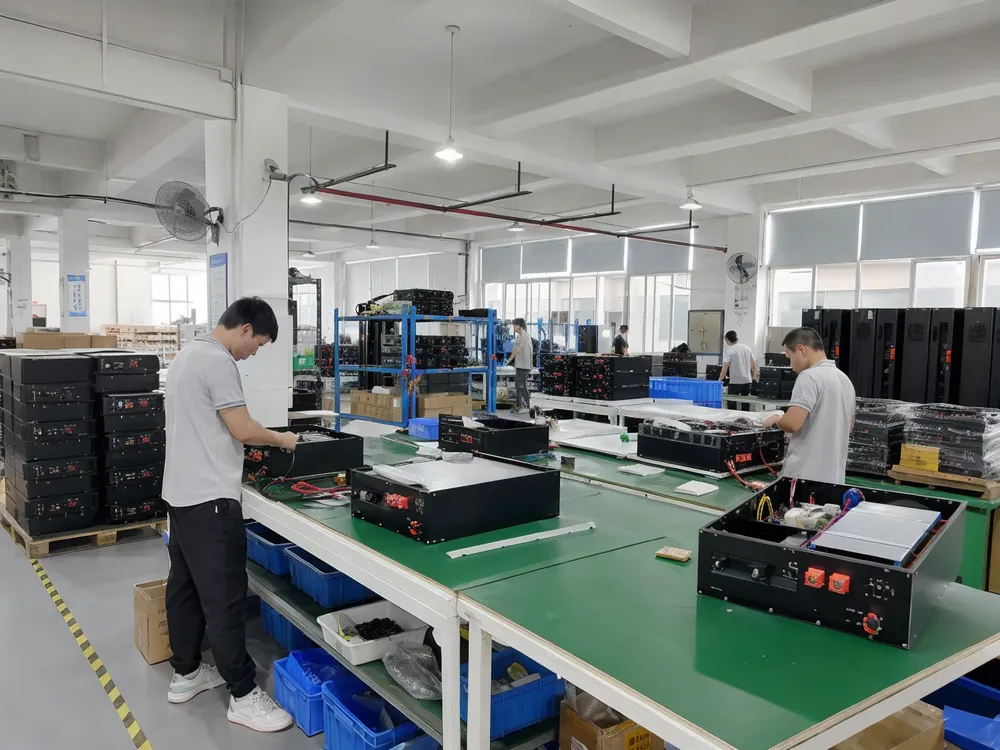
EVANBattery is the export brand of Zhongshan Aiwen Import and Export Trading Co., Ltd. — a custom solar battery manufacturer operating from a 9,900 m² facility in Zhongshan City, Guangdong Province. We produce lithium (LiFePO4) and lead-acid (gel, AGM) solar energy storage batteries for OEM and ODM programs across Europe, Southeast Asia, Africa, South America, and the Middle East.
This page walks you through how we handle OEM ODM solar battery projects: which collaboration model fits your situation, what we can and cannot customize, how our engineering team validates configurations, and what the process looks like from your first specification email to bulk container shipment.
Choose OEM or ODM Based on Your Market Resources
The distinction is practical, not academic. It determines who controls the design, what you need to provide, and how fast you reach production.
OEM — You Own the Specification
You bring the target voltage, capacity, cell chemistry, BMS requirements, enclosure design direction, and branding. We engineer and produce to your specification. This route gives you full control over the product definition, but it requires more validation time because we're building to a new or modified configuration.
OEM is the right path when you have:
- Specific inverter compatibility requirements
- A defined product roadmap
- An existing design that needs a manufacturing partner
What you provide: Target voltage, capacity, cell chemistry, BMS requirements, enclosure design direction, branding assets
ODM — You Select From Our Existing Platforms
We have proven battery platforms across 12V, 24V, and 48V configurations — lithium solar batteries, gel and AGM solar batteries, wall-mounted residential units, rack-mounted commercial storage, and portable power stations. You choose the platform, apply your brand (label, packaging, manual, carton), and adjust parameters within the platform's validated range.
ODM is faster because the core engineering is already done. It's the efficient route when you're testing a new product line or entering a market segment without committing to a full custom development cycle.
What you provide: Platform selection, brand assets (label, packaging, manual), parameter adjustments within validated range
Typical Progression: ODM → OEM
Most of our repeat buyers start ODM to validate market demand, then shift specific SKUs to OEM as their volume and product requirements mature. We see this pattern especially with European distributors who need to match specific hybrid inverter protocols after their first container sells through.
Customization Boundaries Before You Send an RFQ
We can customize a lot — but not everything, and not all changes carry the same cost or timeline impact. Here's what's on the table and where the boundaries sit, so you can scope your RFQ accurately.
Electrical Configuration
- Voltage 12V, 24V, 48V (51.2V), and non-standard configurations for specific inverter compatibility
- Capacity From 50Ah residential units up to 280Ah+ commercial packs, with cell arrangement matched to your target kWh
- Pack Structure Series/parallel cell configurations to hit your voltage and capacity targets within the enclosure constraints
Chemistry Selection
- LiFePO4 For cycle life, weight, and depth-of-discharge performance — the standard choice for residential and commercial storage
- Gel For budget-sensitive off-grid markets where temperature tolerance and zero-maintenance matter more than weight
- AGM For applications where upfront cost drives the purchasing decision and cycle requirements are moderate
Chemistry selection isn't just a spec line — it affects your landed cost, warranty exposure, and which market segments you can profitably serve. We'll recommend based on your target application and price positioning.
BMS Configuration
- Protection Parameters Over-charge, over-discharge, over-current, short-circuit, and temperature thresholds matched to your cell chemistry and application
- Communication Protocols RS485, CAN bus, Bluetooth — configurable for inverter and EMS integration
- Inverter Compatibility Protocol adjustment for specific hybrid inverter brands where technically supportable
Tip: BMS communication is where most OEM projects spend their validation time. If you know your target inverter model, send it with your RFQ — it saves a full round of back-and-forth.
Mechanical and Branding
- Form Factor Rack-mounted, wall-mounted, floor-standing, portable enclosure
- Enclosure Finish Color, surface finish, and material selection
- Brand Application Label design, logo placement, carton printing, user manual
- Packaging Configuration optimized for container loading efficiency
What Affects MOQ and Timeline
Not all customization is equal. Label and color changes on an existing platform are straightforward at low volume. New electrical configurations, custom BMS firmware, enclosure tooling modifications, or certification retesting for structural changes — these require higher MOQ to justify the engineering investment. We state the threshold upfront so you can plan.
Explore Platform Starting Points
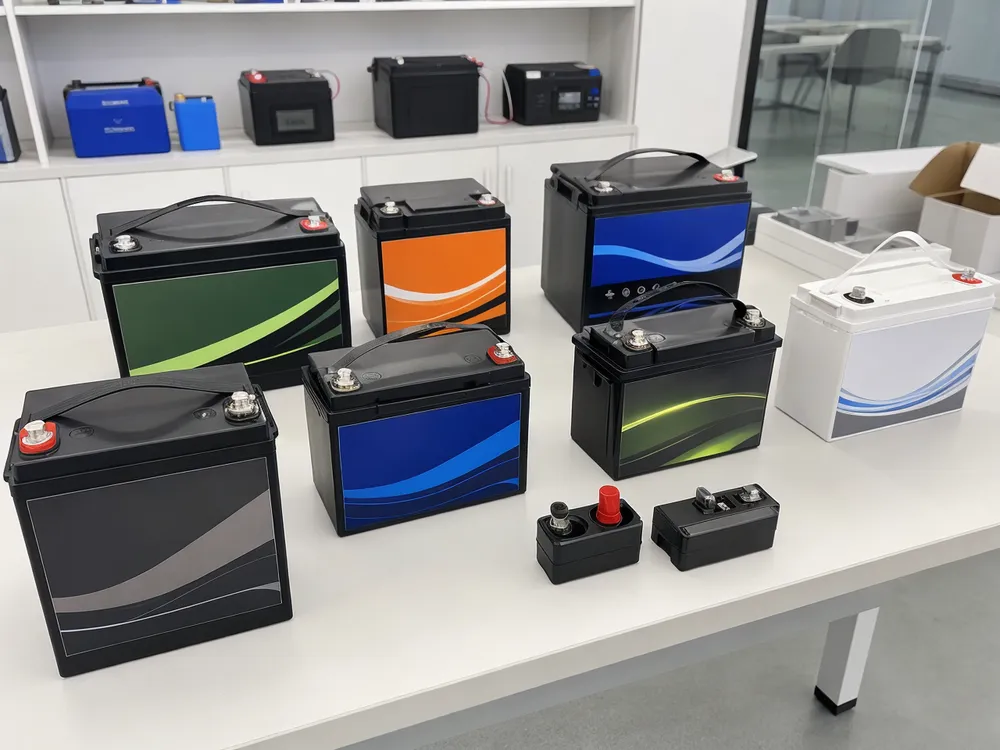
These existing platforms serve as starting points for custom configurations — choose one and specify your adjustments in the RFQ:
Engineering Validation for Cells, BMS, and Inverter Fit
Customization without validation is just label printing with risk attached. Our engineering team exists to make sure your custom configuration performs in the field — not just on the spec sheet.
Cell Sorting and Matching
Every cell batch goes through automated sorting by actual measured capacity and internal resistance before pack assembly. We group cells within 20mV voltage and 5mΩ resistance tolerance.
Tight matching prevents thermal imbalance and premature capacity fade — which means your warranty claim rate stays predictable across production batches, not just the first sample.
BMS Parameter Matching
Protection thresholds are programmed to the specific cell chemistry, voltage architecture, and application profile of your configuration.
A 48V commercial rack unit running daily cycling gets different over-discharge cutoffs and balancing algorithms than a 12V backup battery that sits at float for months. We don't load generic firmware and hope it fits.
Inverter Communication Confirmation
If your battery needs to talk to a specific hybrid inverter or EMS platform, our engineers confirm the communication protocol, register mapping, and handshake sequence during the sample phase.
This is where field failures hide — a battery that charges and discharges correctly but can't report SOC to the inverter creates installer callbacks and erodes your reputation with contractors.
Batch-Level Lifecycle Testing
Capacity verification, charge/discharge cycling, high-temperature soak (55°C), low-temperature discharge (-20°C), and safety testing run on every production batch. Not just type approval samples — every batch.
The result for you: fewer surprises after your container clears customs.
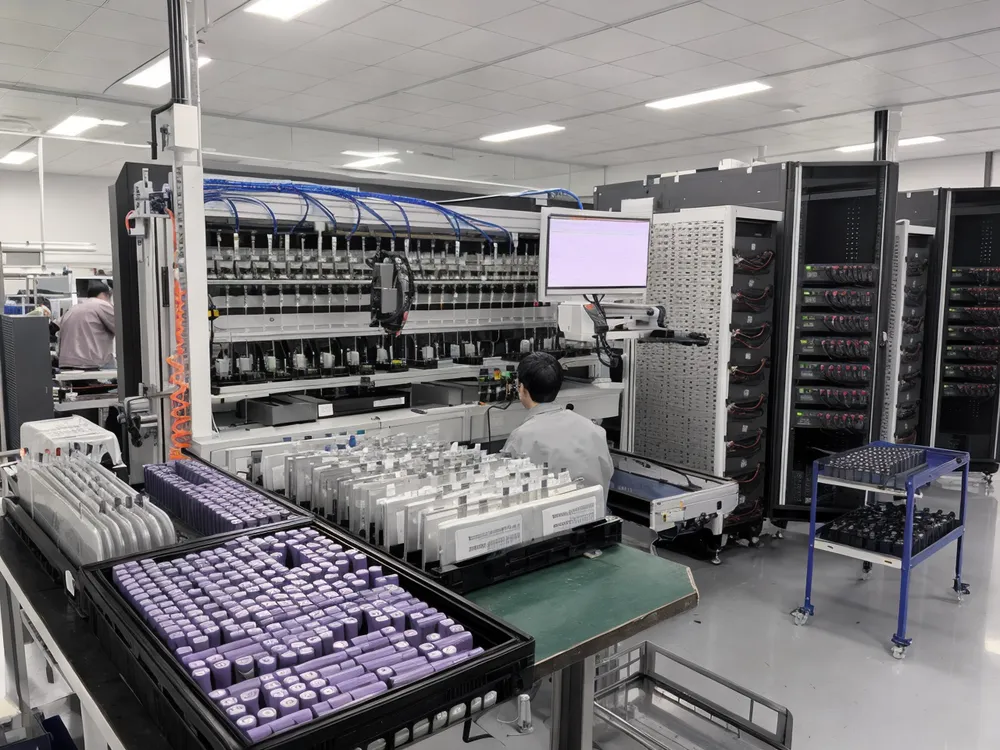
For more detail on our R&D and QC capability, the About page covers team structure and testing infrastructure.
OEM ODM Solar Battery Workflow From Specification to Bulk Delivery
Here's the sequence. Each stage has a clear handoff between what we do and what you provide.
Requirement Review
Target voltage, capacity, chemistry preference, application scenario, target market, estimated annual quantity, inverter model (if applicable), branding requirements.
Feasibility against our existing platforms and production capabilities. If your requirement fits an existing platform with modifications, we'll say so — it's faster and lower-risk than a ground-up design.
Technical Recommendation and Quotation
Recommended cell configuration, BMS specification, enclosure options, and pricing tiers by quantity. If your spec needs adjustment for manufacturability or cost optimization, we'll explain the trade-off.
NDA and Design File Handling
If your project involves proprietary BMS requirements, custom enclosure designs, or market-sensitive branding, we sign an NDA before you share detailed files. Your design assets remain your controlled property throughout the collaboration.
Sample Production and Approval
We build samples to the agreed specification.
Electrical performance, mechanical fit, BMS communication with your target inverter, label and packaging quality. Sample approval is your gate — nothing moves to mass production without your written confirmation.
Engineering Validation
For new configurations, we run the full test suite on approved samples: capacity, cycling, temperature, and safety. Results are documented and shared. This stage catches issues that don't show up in a single-unit bench test.
Pre-Production Confirmation
Final sign-off on: label artwork, packaging layout, carton marking, documentation inserts, and pallet configuration. This is the last checkpoint before the line starts.
Mass Production
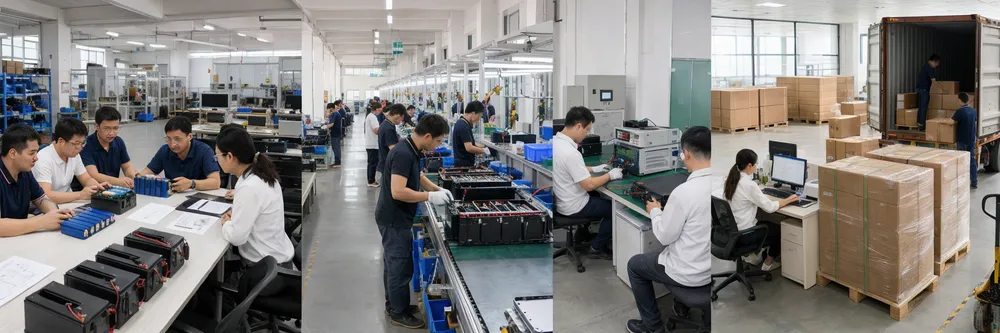
Your order runs on the relevant production lines. Six lines mean we can run your SKUs alongside other orders without scheduling conflicts — your 2,000-unit order doesn't wait behind someone else's 10,000-unit run.
QC, Export Documents, and Shipment
Final inspection, packing, and export documentation preparation. UN38.3 test summaries, MSDS, commercial invoice, packing list, and any market-specific compliance documents ship with your container.
Timeline Ranges
Standard ODM orders (branding changes on existing platforms) typically move faster than full OEM configurations requiring new BMS validation. Exact timelines depend on order complexity and are confirmed at quotation stage.
Ready with specifications?
Send Your Battery RequirementsMOQ, Sampling, and Reorder Planning for Private-Label Batteries
Standard Models
100 units MOQ. This is deliberately low for a factory running 2,000,000 units annually — we set it here because we understand how distribution works. You need to test a SKU with your customers before committing to container volumes.
Branding-Only Changes
If you're applying your label, packaging, and manual to an existing battery platform without electrical changes, the MOQ stays at the standard threshold. The engineering is already validated — you're adding branding, not complexity.
Custom Electrical Configurations
New voltage/capacity layouts, custom BMS firmware, enclosure modifications, or communication protocol changes require higher MOQ. The threshold depends on the scope of engineering work. We quote it explicitly so you can calculate your trial cost and break-even volume before committing.
MOQ Quick Reference
| Change Scope | MOQ Threshold |
|---|---|
| Standard model, no changes | 100 units |
| Label + packaging + manual only | 100 units |
| Custom electrical / BMS / enclosure | Quoted per project |
Sample Strategy
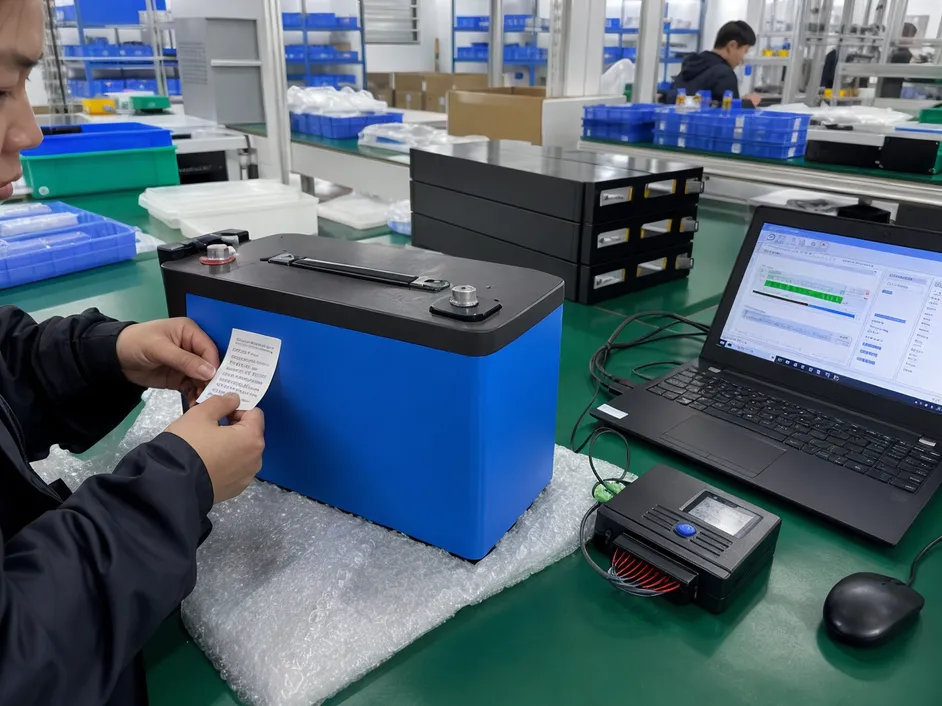
Sample approval should confirm more than just electrical performance. Catching a label alignment issue on 2 samples is cheap. Catching it on 2,000 units is not.
Verify during sample review:
- Label adhesion and print quality
- Packaging durability for your logistics chain
- Documentation accuracy
- BMS communication with your specific inverter setup
Reorder and Container Planning
For multi-SKU programs, we consolidate production to ship complete containers rather than split deliveries. If you carry a 100Ah solar battery and a 200Ah solar battery in your catalog, both can run simultaneously across our lines and load into the same 20GP.
Cost advantage: Your landed cost per unit drops when you consolidate multiple SKUs into a single container shipment rather than splitting deliveries across separate production runs.
IP, Export Documents, and Compliance Support for OEM Orders
Intellectual Property Protection
We sign NDAs covering:
- Your design drawings
- BMS specifications
- Label artwork
- Packaging files
- Market positioning and pricing structures
Your private-label assets are handled as buyer-controlled property — they don't appear in our catalog, on our website, or in communications with other buyers.
This sounds obvious, but we've heard enough stories from buyers who found their "exclusive" design on Alibaba under another brand name. We keep a strict firewall between OEM client assets and our own product marketing.
Certifications on File
These cover our standard production platforms. For your OEM order, the relevant certifications apply as long as the electrical and structural parameters remain within the certified scope.
Important: Major changes — new cell configurations, structural enclosure modifications, or voltage architectures outside the tested range — may require certification document review or retesting. We'll flag this at the quotation stage so it doesn't surprise you mid-project.
Export Documentation for Battery Shipments
Batteries are classified dangerous goods for transport. Your import process requires specific documentation depending on chemistry and destination market.
Required for lithium battery transport classification
Material safety data for lead-acid and lithium chemistries
Proper shipping declaration and dangerous goods packaging
Declaration of conformity for European market entry
Product safety compliance test report for international markets
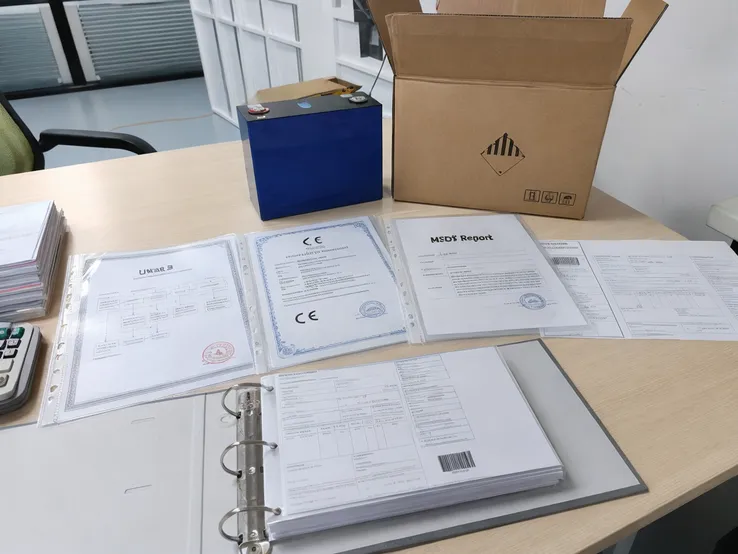
We maintain current documentation for all standard models and prepare order-specific export packages. For details on our full certifications and export documents, see the dedicated certifications page.
Typical OEM/ODM Program Scenarios by Market Segment
These are anonymized examples of how OEM ODM solar battery programs typically structure around different market needs. They illustrate configuration choices and commercial logic — not named client references.
Distributor Private-Label Program
ODM Route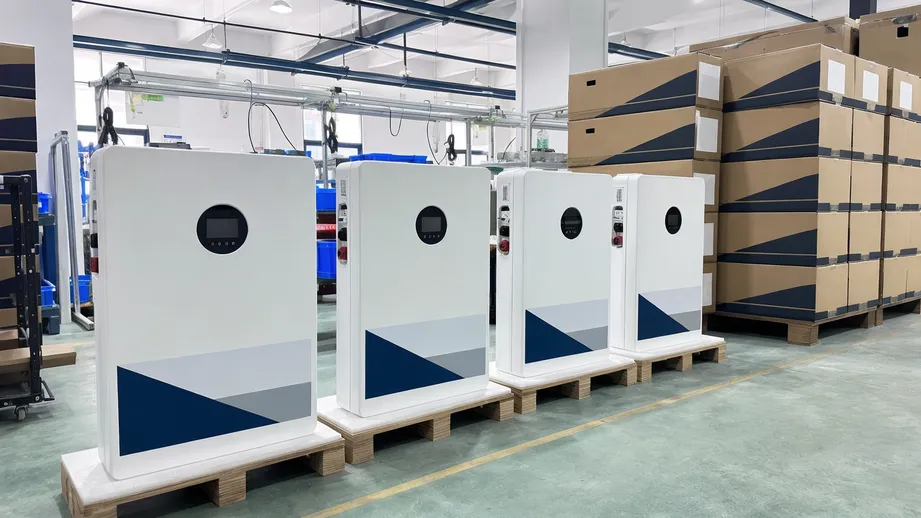
A European distributor selects our 48V 100Ah LiFePO4 wall-mounted platform, applies their brand label and packaging, and orders 500 units per quarter. The ODM route keeps their time-to-market short and their engineering investment near zero.
Their margin comes from brand positioning and local installer relationships, not from custom hardware. Reorders run on a fixed schedule with pre-confirmed pricing, so their inventory planning stays predictable.
500 units/quarter
48V 100Ah LiFePO4
Project Contractor Program
OEM Route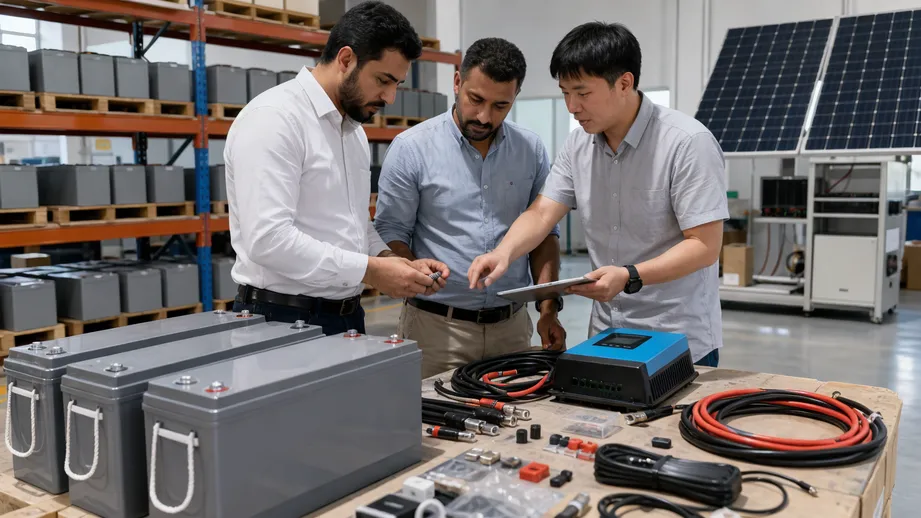
A solar installation company in the Middle East needs 24V 200Ah gel batteries configured for a specific MPPT controller used across their residential projects. The OEM route lets them lock in the BMS discharge curve and terminal configuration that matches their standard installation kit.
Ordering 1,000 units per project phase, they eliminate field compatibility issues and reduce installer callbacks.
1,000 units/phase
24V 200Ah Gel
Off-Grid Market Program
Dual Chemistry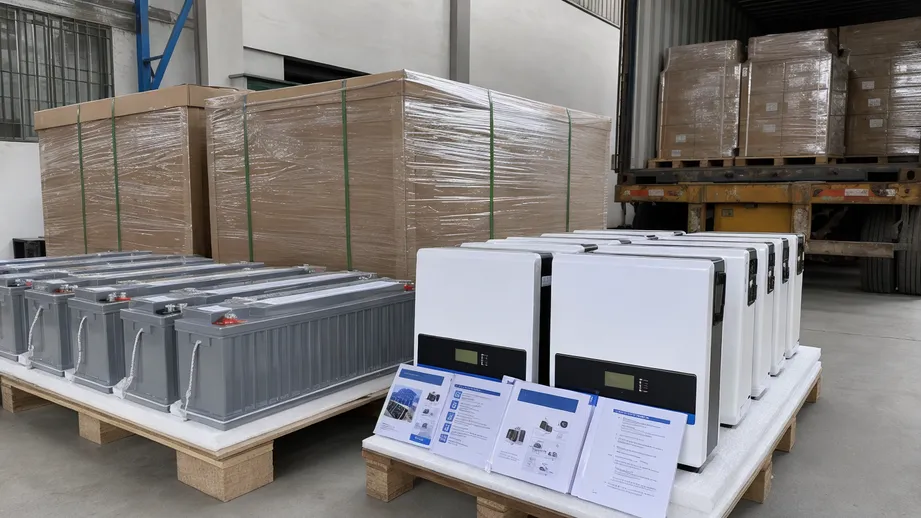
A distributor serving sub-Saharan Africa carries both gel and LiFePO4 options — gel for price-sensitive home solar battery storage kits, LiFePO4 for telecoms tower backup where cycle life justifies the premium.
Both SKUs ship in the same container, branded under their label, with documentation in French and English for their West African markets.
Gel + LiFePO4
French & English
Commercial Storage Program
OEM + Firmware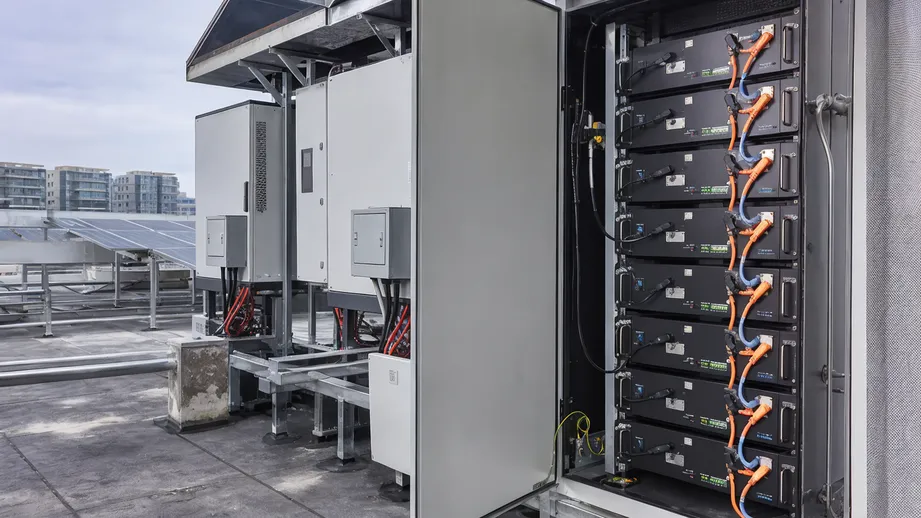
A systems integrator building solar battery systems for commercial rooftop installations needs rack-mounted 48V LiFePO4 modules with CAN bus communication for their chosen EMS platform.
The OEM route includes BMS firmware customization for the specific register mapping their monitoring software expects. Each project order is 20–50 units, but the annual volume across multiple sites justifies the custom engineering.
20–50 units
CAN bus / EMS
FAQ for Custom Solar Battery Sourcing Decisions
Common questions from buyers evaluating OEM and ODM solar battery programs — covering MOQ, customization scope, certification, and timelines.
What is the MOQ for OEM ODM solar battery orders?
Standard models start at 100 units. For ODM programs with branding-only changes on existing platforms, the same threshold applies. Custom electrical configurations (new voltage, capacity, BMS firmware) require higher MOQ depending on engineering scope — we quote the exact threshold with your first technical recommendation.
What is the difference between OEM and ODM solar battery sourcing?
OEM means you provide the specification and we manufacture to it — you control the design. ODM means you select from our existing validated platforms and apply your branding. OEM gives more control but takes longer to validate. ODM is faster because the core engineering is proven.
Most buyers use ODM for market entry and shift to OEM as volume and requirements mature.
Can EVANBattery customize BMS communication for my inverter?
Yes — RS485, CAN bus, and Bluetooth are configurable. If you provide your target inverter model and communication protocol documentation, our engineers confirm compatibility during the sample phase.
Protocol adjustment for specific hybrid inverter brands is standard practice for our OEM programs, though confirmation depends on the inverter manufacturer's published protocol specifications.
Which battery parameters can be customized?
Voltage (12V, 24V, 48V, non-standard), capacity (50Ah to 280Ah+), cell chemistry (LiFePO4, gel, AGM), BMS protection thresholds, communication protocol, enclosure form factor, color, labeling, and packaging.
Boundaries exist around safety thresholds, minimum cell matching tolerances, and configurations that would require new certification testing.
Do custom solar batteries need new CE, IEC 62133, or UN38.3 documents?
If your custom configuration stays within the electrical and structural parameters of our existing certified platforms, current certifications apply.
Changes that alter voltage architecture, cell chemistry, or enclosure structure beyond the tested scope may require document review or retesting. We identify this at quotation stage and include any retesting timeline in the project plan.
How long does sampling and bulk production usually take?
Timelines vary by complexity. ODM programs with branding changes move faster than full OEM configurations requiring BMS development and inverter protocol validation.
We provide specific timeline ranges at quotation stage, subject to order confirmation and sample approval sequence. Exact days depend on your approval speed as much as our production schedule.
Start Your Custom Solar Battery Project
Send us the following and we'll respond with a technical recommendation and pricing direction:
- Target voltage and capacity
- Cell chemistry preference (or let us recommend based on your application)
- Application scenario and target market
- Estimated order quantity (first order and annual projection)
- Branding requirements (label, packaging, manual)
- Inverter model and communication protocol (if applicable)
- Destination country (for compliance document preparation)
We review every inquiry against our production capabilities and respond with an honest assessment — including whether your requirement fits an existing platform or needs custom development, and what the cost and timeline difference looks like.
Get in Touch
All inquiries are reviewed by our engineering team. We'll confirm feasibility, recommend the best platform match, and provide transparent cost and timeline estimates within 2 business days.