

Portable Solar Battery for Camping — Factory-Direct Supply
LiFePO4 cells, in-house BMS, and export documentation handled before your container leaves Zhongshan.
For outdoor retail, overlanding distribution, and campsite rental programs. 100-unit MOQ · 13+ years solar battery manufacturing.
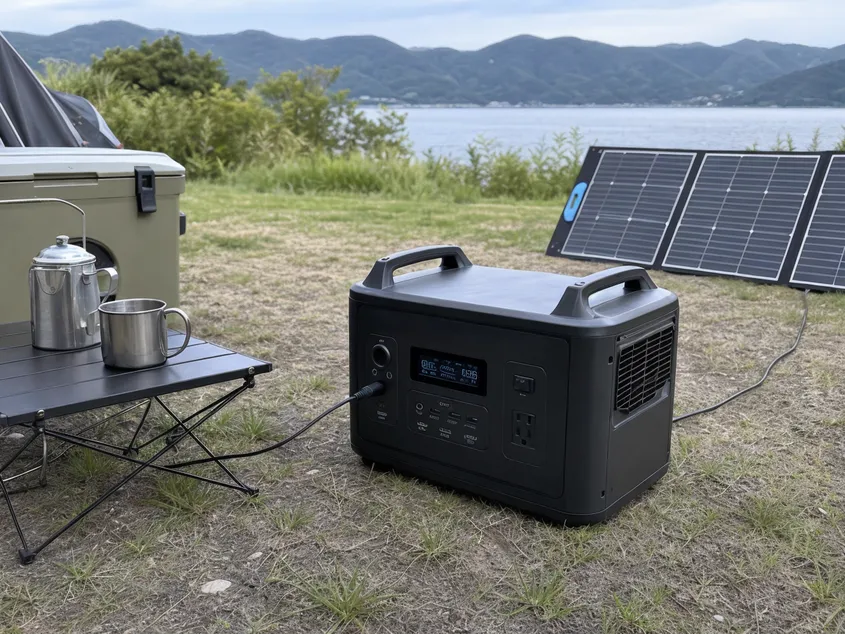
Portable Solar Battery for Camping Programs Built for Outdoor Channels
We manufacture portable solar batteries sized and configured for camping retail, overlanding distribution, and off-grid recreation supply programs. These are not residential storage units repackaged with a handle — they're purpose-built outdoor battery SKUs with rugged enclosures, solar MPPT input, and output configurations matched to the loads your customers actually carry into the field.
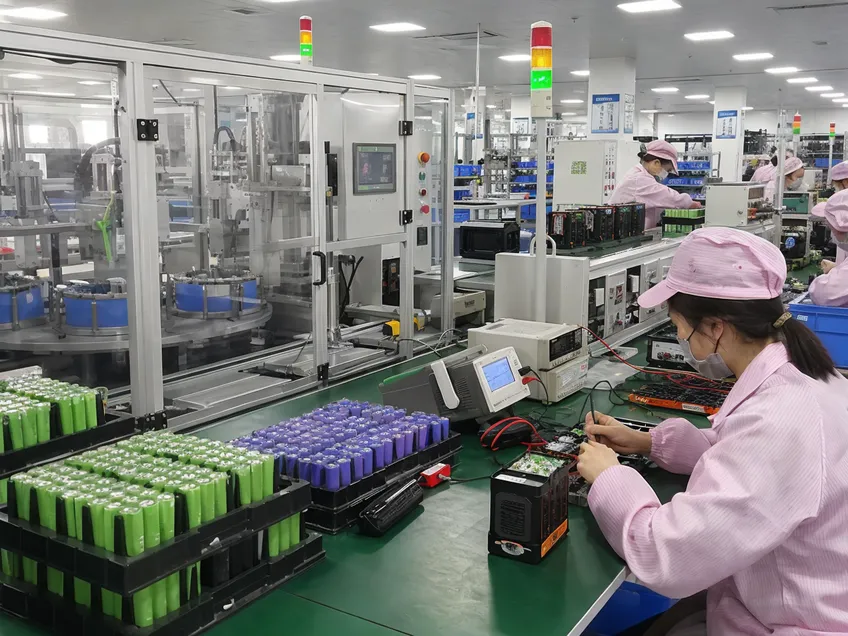
EVANBattery has been making solar batteries since 2012. Six production lines, 9,900 m² of factory floor, in-house BMS design, and automated cell sorting — all focused on one thing: solar energy storage. Your camping battery program gets the same manufacturing infrastructure we use for 48V commercial rack systems, scaled down to portable form factors and configured for the outdoor solar battery market.
Specification Range Your Buyers Can Compare Without Guesswork
We produce across three capacity tiers — compact, mid-range, and high-capacity — so you can build a product line that covers weekend hikers through extended off-grid campers.
| Parameter | Compact (100–300Wh) | Mid-Range (300–1000Wh) | High-Capacity (1000–2000Wh) |
|---|---|---|---|
| Battery Chemistry | LiFePO4 | LiFePO4 | LiFePO4 |
| Nominal Voltage | 12.8V | 12.8V / 25.6V | 25.6V / 51.2V |
| Cycle Life (80% DoD) | 2,000+ cycles | 2,000+ cycles | 2,000+ cycles |
| Solar Input | 60–100W MPPT | 100–200W MPPT | 200–400W MPPT |
| AC Output | — | Pure sine wave, 300–600W | Pure sine wave, 1000–2000W |
| DC Output | USB-A, USB-C, 12V cigarette | USB-A, USB-C, 12V, Anderson | USB-A, USB-C, 12V, Anderson, 24V DC |
| BMS Protections | Over-charge, over-discharge, over-current, short-circuit, temperature | Full suite + cell balancing | Full suite + cell balancing + communication port |
| Enclosure | ABS/PC impact-resistant, IP54 | Aluminum alloy frame, IP54 | Aluminum alloy frame, IP65 available |
| Operating Temperature | -10°C to 45°C (discharge) | -10°C to 45°C (discharge) | -20°C to 45°C (discharge) |
| Charging Temperature | 0°C to 45°C | 0°C to 45°C | 0°C to 45°C |
| Weight Range | 1.5–4 kg | 4–12 kg | 12–25 kg |
Compact (100–300Wh)
- Chemistry
- LiFePO4
- Voltage
- 12.8V
- Cycle Life
- 2,000+ cycles
- Solar Input
- 60–100W MPPT
- AC Output
- —
- DC Output
- USB-A, USB-C, 12V cigarette
- Enclosure
- ABS/PC, IP54
- Operating Temp
- -10°C to 45°C
- Weight
- 1.5–4 kg
Mid-Range (300–1000Wh)
- Chemistry
- LiFePO4
- Voltage
- 12.8V / 25.6V
- Cycle Life
- 2,000+ cycles
- Solar Input
- 100–200W MPPT
- AC Output
- Pure sine wave, 300–600W
- DC Output
- USB-A, USB-C, 12V, Anderson
- BMS
- Full suite + cell balancing
- Enclosure
- Aluminum alloy, IP54
- Operating Temp
- -10°C to 45°C
- Weight
- 4–12 kg
High-Capacity (1000–2000Wh)
- Chemistry
- LiFePO4
- Voltage
- 25.6V / 51.2V
- Cycle Life
- 2,000+ cycles
- Solar Input
- 200–400W MPPT
- AC Output
- Pure sine wave, 1000–2000W
- DC Output
- USB-A, USB-C, 12V, Anderson, 24V DC
- BMS
- Full suite + cell balancing + comm port
- Enclosure
- Aluminum alloy, IP65 available
- Operating Temp
- -20°C to 45°C
- Weight
- 12–25 kg
Specifications shown are typical values for this product category. Final data sheets are confirmed during quotation based on your target capacity, output requirements, and certification market. Contact us for exact product specifications.
Why LiFePO4 Across the Entire Camping Range
Lithium iron phosphate (LiFePO4) delivers superior thermal stability, longer cycle life, and inherent safety advantages over NMC or NCA chemistries — critical factors for portable products used in uncontrolled outdoor environments. The chemistry's flat discharge curve also means consistent voltage delivery throughout the charge cycle, keeping connected devices running reliably from 100% down to 20% state of charge.
Built for Real-World Outdoor Power Needs
From weekend car camping to extended off-grid expeditions, our portable power stations are engineered to keep your customers connected and comfortable.
Weekend Car Camping
Compact 100–300Wh units power LED lights, charge phones and tablets, and run small fans for 1–2 night trips without needing solar recharge.
Recommended: Compact Tier
Overlanding & 4WD Touring
Mid-range units with Anderson connectors integrate directly into vehicle auxiliary systems, powering fridges, lighting rigs, and communication equipment for multi-day routes.
Recommended: Mid-Range Tier
Off-Grid Basecamp
High-capacity 1000–2000Wh stations run CPAP machines, electric coolers, power tools, and even small induction cooktops for extended wilderness stays.
Recommended: High-Capacity Tier
Festivals & Tailgating
Quiet, emission-free power for portable speakers, blenders, projectors, and string lights — replacing noisy generators at outdoor social events.
Recommended: Mid-Range or High-Capacity
Emergency & Backup Power
Reliable backup during outages for medical devices, routers, and essential lighting. Long shelf life and low self-discharge make LiFePO4 ideal for standby readiness.
Recommended: Mid-Range or High-Capacity
Van Life & Mobile Living
High-capacity units with solar input and pass-through charging serve as the core energy hub for converted vans and RVs, supporting daily cooking, working, and entertainment needs.
Recommended: High-Capacity Tier
Your Brand, Your Specifications
We manufacture to your requirements. From cosmetic branding to ground-up custom designs, our engineering team supports every level of product customization.
Brand Customization
Apply your brand identity to our proven platform designs with minimal lead time and low MOQs.
- Logo printing, silk-screen, or laser engraving
- Custom color options (housing, accents)
- Custom packaging and user manual design
- Retail-ready or bulk packaging options
MOQ: 100 units | Lead time: 2–3 weeks
Configuration & Adaptation
Modify electrical and mechanical specifications on existing platforms to match your market requirements.
- Output port selection and configuration
- Battery capacity adjustments within platform range
- Regional plug types and voltage standards
- Display and UI language customization
- Firmware feature toggles (eco mode, UPS mode)
MOQ: 300 units | Lead time: 4–6 weeks
Full ODM Development
Ground-up product development from your specifications, including industrial design, engineering, tooling, and certification.
- Custom industrial design and enclosure tooling
- Custom PCB and BMS design
- App integration (Bluetooth/Wi-Fi monitoring)
- Certification support (UL, CE, FCC, PSE, etc.)
- DFM optimization and pilot production
MOQ: 1,000 units | Lead time: 8–14 weeks
Not sure which level fits your project? Our team will recommend the right approach based on your timeline, budget, and volume.
Discuss Your Custom ProjectCertified for Global Markets
Every unit undergoes rigorous testing and quality control. We hold the certifications your retail and distribution partners require.
Quality Assurance Process
Incoming Inspection
100% cell grading and matching. Component AQL sampling per IPC standards.
In-Process Control
Automated optical inspection, hi-pot testing, and BMS calibration at each assembly stage.
Final Testing
Full charge/discharge cycle, load testing, safety function verification on every unit.
Pre-Shipment Audit
Third-party inspection available. Drop test, vibration test, and packaging integrity check.
Frequently Asked Questions
Common questions from brand owners and distributors evaluating our camping power station range.
What is the minimum order quantity for OEM branding?
For logo printing and packaging customization on existing models, our MOQ starts at 100 units. Configuration changes (port selection, capacity adjustments) require 300 units minimum. Full ODM projects with custom tooling start at 1,000 units. We're flexible on first orders to help you validate market demand.
Can you handle certification for my target market?
Yes. Our existing platform models carry UL, CE, FCC, and UN38.3 certifications. For custom configurations, we manage the full certification process with accredited labs and can target additional markets including Japan (PSE), Australia (RCM), and Korea (KC). Certification timelines and costs are included in our project quotations.
What is the typical lead time from order to delivery?
Standard OEM orders (branding only) ship within 2–3 weeks after artwork approval. Configured units require 4–6 weeks. Full ODM projects vary by complexity but typically run 8–14 weeks from design freeze to first production shipment. We maintain safety stock of common cell configurations to reduce lead times on repeat orders.
Do you offer sample units before committing to a full order?
Absolutely. We provide engineering samples (typically 2–5 units) for evaluation before production commitment. Sample costs are credited against your first production order. For ODM projects, we deliver functional prototypes at the design validation stage for your testing and approval.
How does the BMS protect end users in outdoor conditions?
Our proprietary BMS provides 8-layer protection: overcharge, over-discharge, overcurrent, short circuit, over-temperature, under-temperature, cell balancing, and surge protection. Operating range spans -10°C to 45°C for discharge and 0°C to 40°C for charging. The system automatically throttles or shuts down outside safe parameters, with audible and visual alerts to the user.
What warranty and after-sales support do you provide?
We offer a standard 2-year manufacturer warranty covering defects in materials and workmanship. Extended 3- and 5-year warranty programs are available for volume partners. Our after-sales team provides technical support, firmware updates, and replacement unit logistics. We can also white-label warranty service under your brand for a seamless end-customer experience.
Can units be shipped directly to my Amazon FBA or 3PL warehouse?
Yes. We regularly ship DDP to Amazon FBA warehouses across the US, EU, and Japan. Our logistics team handles DG (dangerous goods) documentation required for lithium battery shipments, FNSKU labeling, and carton-level prep per Amazon specifications. We also deliver to 3PL facilities and distributor warehouses worldwide via sea, air, or rail freight.
Ready to Power Your Brand?
Whether you need 100 branded units or 10,000 custom-engineered power stations, our team is ready to scope your project and deliver a detailed quotation within 48 hours.
No commitment required. NDA available on request.
Camping Market Segments That Can Support Repeat Orders
A portable solar battery for camping is not one product — it's a category entry point into several distinct outdoor channels. Each segment below represents a repeatable wholesale opportunity with different SKU requirements and margin profiles.
Outdoor Retail and Camping Store SKUs
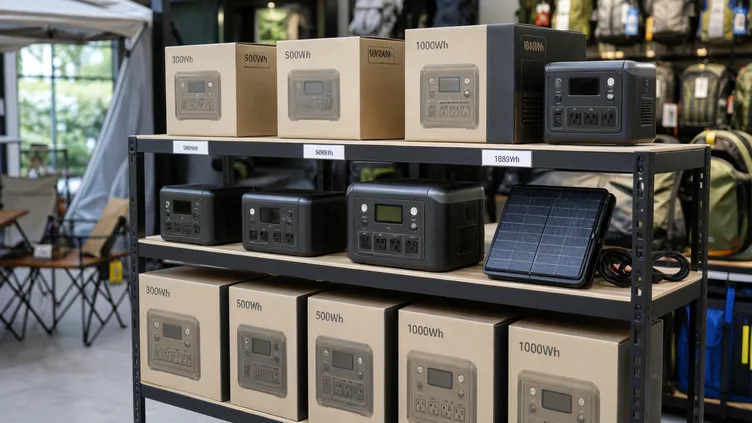
Camping retail buyers need recognizable capacity tiers — typically a "weekend" unit (300-500Wh) and an "extended trip" unit (1000Wh+). Branded packaging, clear capacity labeling, and a retail-ready unboxing experience drive sell-through.
This segment reorders seasonally, with Q1-Q2 being peak stocking periods for Northern Hemisphere markets.
Your margin protection comes from brand differentiation — private-label camping batteries with your logo, color scheme, and manual language command higher shelf price than generic imports.
Overlanding and Vehicle-Camping Distributors
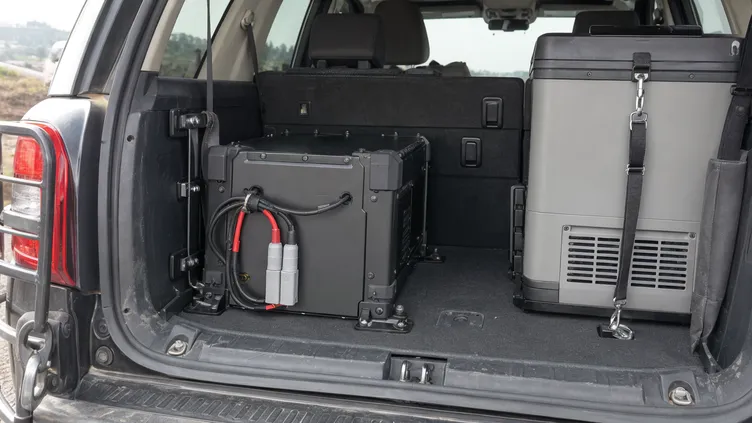
Overlanding buyers spec differently: they want higher continuous DC output for fridges, compressors, and lighting rigs, plus Anderson connectors and mounting compatibility. Rugged enclosures matter because these units live in vehicle cargo areas and take vibration.
This is a higher-ASP segment with strong brand loyalty — once an overlanding customer trusts a battery brand, they buy accessories and upgrades from the same distributor.
We've seen overlanding distributors grow from 200-unit trial orders to 2,000-unit annual programs within two seasons.
Campsite Rental and Glamping Operators
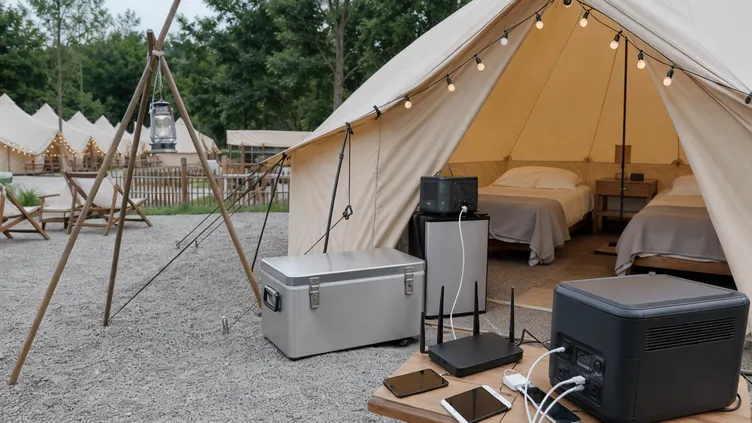
Glamping and campsite operators buy batteries as infrastructure — powering tent lighting, phone charging stations, portable routers, and mini fridges. They need durability over portability, so mid-to-high capacity units with IP54+ enclosures and long cycle life are the fit.
The commercial logic: these buyers purchase 50-200 units per site, replace on a 3-5 year cycle, and value consistent batch quality because mixed-performance units create guest complaints.
Your role as their outdoor solar battery supplier is reliability and documentation, not lowest price.
Emergency and Outdoor Supply Channels
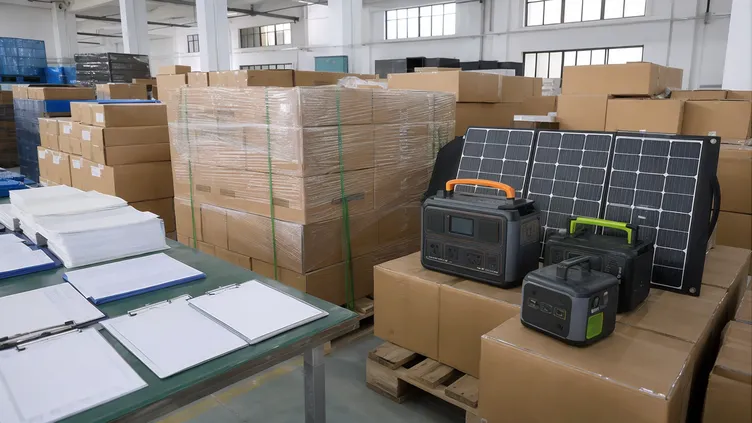
Emergency preparedness and outdoor supply retailers stock camping solar batteries as seasonal and event-driven inventory. Hurricane season, wildfire season, and winter storm forecasts drive demand spikes.
These buyers need documentation-ready imports (UN38.3, MSDS on file) and fast restocking capability.
The margin opportunity: emergency-channel pricing carries a premium because buyers purchase on urgency, not comparison shopping.
Ready to target a specific segment?
Tell us which channel you're building for and we'll recommend the capacity tier and configuration.
Cell Matching and BMS Control That Protect Warranty Margin
The difference between a portable solar battery for camping that holds performance across 500 wholesale units and one that generates warranty claims after six months comes down to two manufacturing steps most buyers never see: cell sorting and BMS calibration.
Automated Cell Sorting and Pack Matching
Every LiFePO4 cell entering our camping battery line goes through automated grading — measured for actual capacity, internal resistance, and voltage under load. Cells are grouped within 20mV voltage variance and 5mΩ resistance tolerance before pack assembly.
This tight matching prevents the thermal imbalance and premature capacity fade that plague loosely-matched packs. For your business, it means consistent rated capacity across an entire production batch — your 500-unit order performs uniformly in the field, so warranty exposure stays predictable rather than random.
We source cells from qualified suppliers we've validated over multiple years and seasons. Cell performance drifts with raw material batches and production conditions at the cell factory level — we know which suppliers hold tolerance and which ones require tighter incoming inspection windows.
This is the kind of knowledge that takes years of production data to accumulate. It doesn't show up on a spec sheet, but it shows up in your field failure rate.
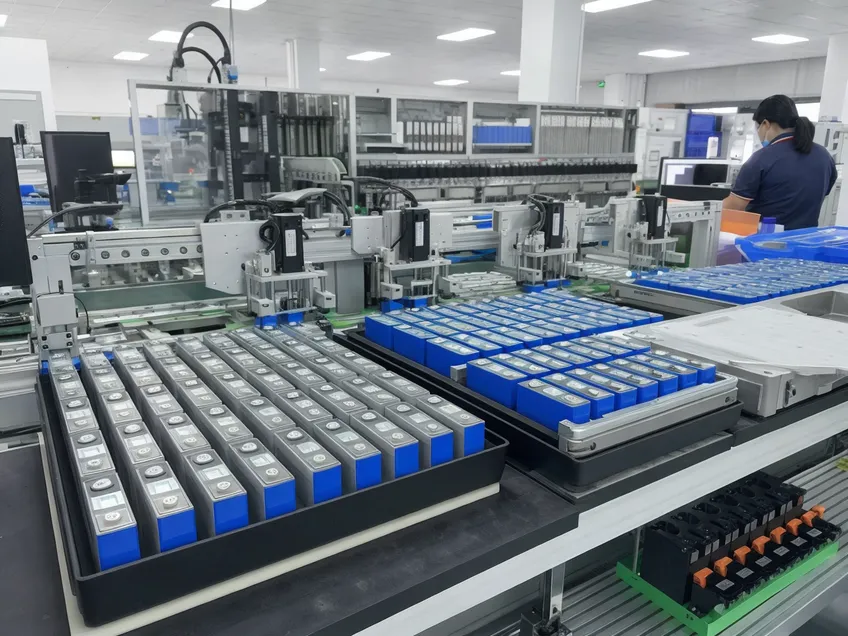
Cell Matching Tolerances
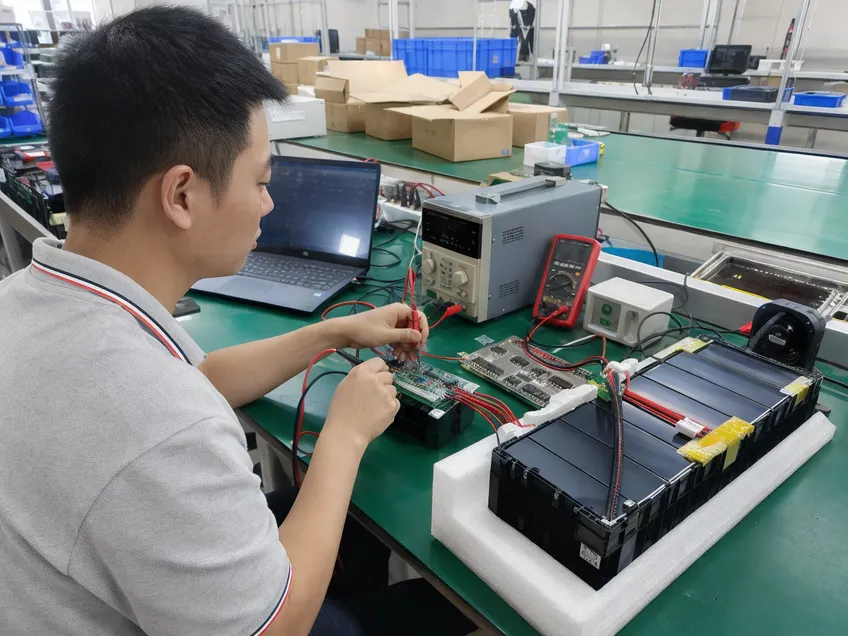
BMS Protection and Programming
Every BMS board is tested independently before marriage to the cell pack: over-charge, over-discharge, over-current, short-circuit, and temperature protection verification.
For camping batteries specifically, we program conservative low-temperature charge lockout (0°C cutoff) because LiFePO4 cells suffer irreversible damage from charging below freezing — a common field condition in camping applications.
The BMS also handles cell balancing during charge cycles, maintaining pack uniformity over the battery's lifetime.
Lifecycle Testing on Every Production Batch
Capacity verification, charge/discharge cycling, 55°C high-temperature soak, -20°C low-temperature discharge, and safety testing (vibration, drop) run on every batch before shipment.
We don't reserve lifecycle testing for type approval only — your production units get the same validation. This is what lets you offer end-customer warranties with confidence rather than hope.
Batch Tests Include
- 55°C high-temp soak
- -20°C low-temp discharge
- Charge/discharge cycling
- Capacity verification
- Vibration & drop safety
Learn how our manufacturing process protects your margin at scale.
Explore ManufacturingOEM/ODM Options for Camping Brands and Distributor SKUs
If you're building a camping battery brand or adding outdoor solar battery SKUs to your distribution catalog, we handle the customization from electrical configuration through retail packaging.
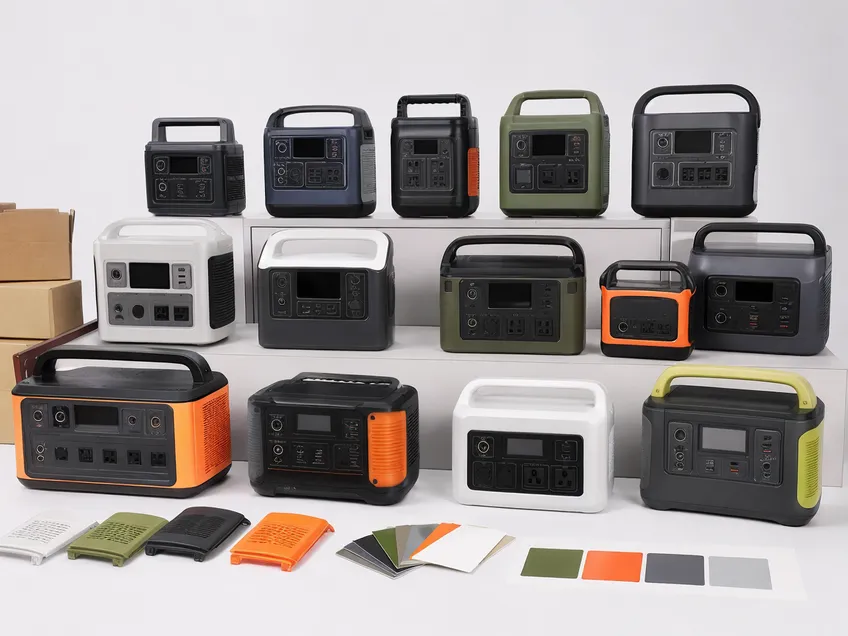
What Can Be Customized
| Dimension | Options | Notes |
|---|---|---|
| Capacity | 100Wh to 2000Wh | Cell count and arrangement configured to target |
| Voltage | 12.8V, 25.6V, 51.2V | Matched to output requirements |
| Shell color | Any RAL or Pantone | MOQ applies for custom colors |
| Logo and branding | Silk screen, pad print, or label | Artwork files required |
| Output port mix | USB-A, USB-C (PD), 12V DC, Anderson, AC outlet | Configured per model |
| Plug standard | US, EU, UK, AU, universal | Specified at order |
| Display | LCD, LED indicator, or no display | LCD adds slight unit cost |
| Packaging | Retail box, white-label, bulk carton | Custom retail box design available |
| Manual language | Any language | PDF provided by buyer or translated by us |
| Bluetooth/app | Available on mid-range and high-capacity | Requires firmware configuration |
MOQ Logic
100 units
Standard Models (Existing Tooling)
Covers label changes, color swaps on existing shells, and output port reconfiguration.
500–1,000 units
Custom Enclosure Tooling
Fully custom enclosure shape requires tooling investment that typically needs this range to amortize sensibly.
Scope-dependent
New BMS Firmware / Market Certification
MOQ depends on engineering scope. We quote the threshold upfront so you can calculate landed cost before committing.
Practical recommendation
If your first order is under 300 units, we recommend starting with our existing shell designs and customizing branding, color, and port configuration. This gets you to market faster and lets you validate demand before investing in custom tooling.
Compliance and Export Documents Before the Battery Leaves China
Lithium batteries are classified dangerous goods for international shipping. Missing or incorrect documentation means port delays, rejected shipments, or platform listing blocks. We maintain current compliance documentation for standard camping battery models so your import process runs clean.
Certifications Held
IEC 62133
Safety testing for portable lithium cells and batteries — covers your product safety compliance for most markets.
UN38.3
Transport testing classification — required by airlines, shipping lines, and freight forwarders before they accept lithium battery cargo.
MSDS (Material Safety Data Sheet)
Required by customs authorities and logistics providers for hazardous materials declaration.
CE
European market conformity — covers your EU import and retail distribution.
ISO 9001:2015
Manufacturing management system — ensures batch-to-batch consistency and traceability across your reorders.
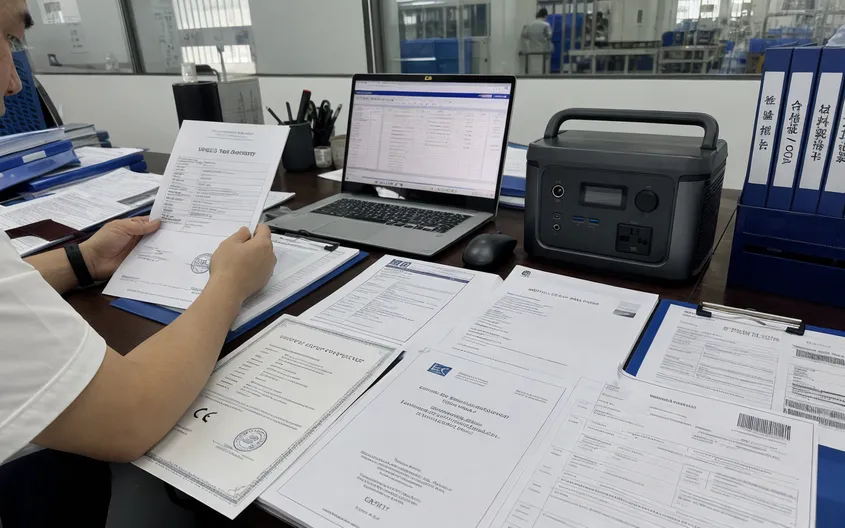
How This Protects Your Import
UN38.3 test summaries and MSDS sheets ship with every order. CE and IEC 62133 test reports are available for your market registration files and distributor due diligence packages.
If your target market requires additional local certification (UL for North America, PSE for Japan, BIS for India), our engineering team supports the application process with test samples and technical data.
For custom OEM configurations, certification status depends on whether the custom model falls within the scope of existing test reports or requires new testing. We clarify this during quotation so there are no surprises at the port.
Documents included with every shipment:
Packaging and Logistics Planning for Outdoor Retail and E-Commerce
How your portable solar battery for camping arrives at your warehouse — and how it reaches your end customer — affects both damage claim rates and landed cost. We configure packaging to match your sales channel.
Channel-Specific Packaging
Wholesale / Distributor Cartons
Double-wall corrugated outer carton, molded EPE foam inner cradle, individual poly bag. Palletized with stretch wrap and corner protectors. Designed to survive warehouse handling and forklift stacking without unit damage.
Retail-Ready Packaging
Custom printed retail box with product photography, feature callouts, and multilingual specs. Inner foam insert for unboxing presentation. Barcode, EAN/UPC, and model labels applied per your requirements.
E-Commerce / FBA Packaging
Frustration-free packaging compliant with Amazon and major marketplace requirements. FNSKU labels, suffocation warnings, and overbox protection for last-mile shipping.
We've learned that e-commerce packaging for batteries needs extra drop-test margin — courier handling is rougher than pallet freight.
White-Label / Blind Drop-Ship
No EVANBattery branding anywhere on product or packaging. Your brand only. Shipping labels and packing slips configured to your specifications.
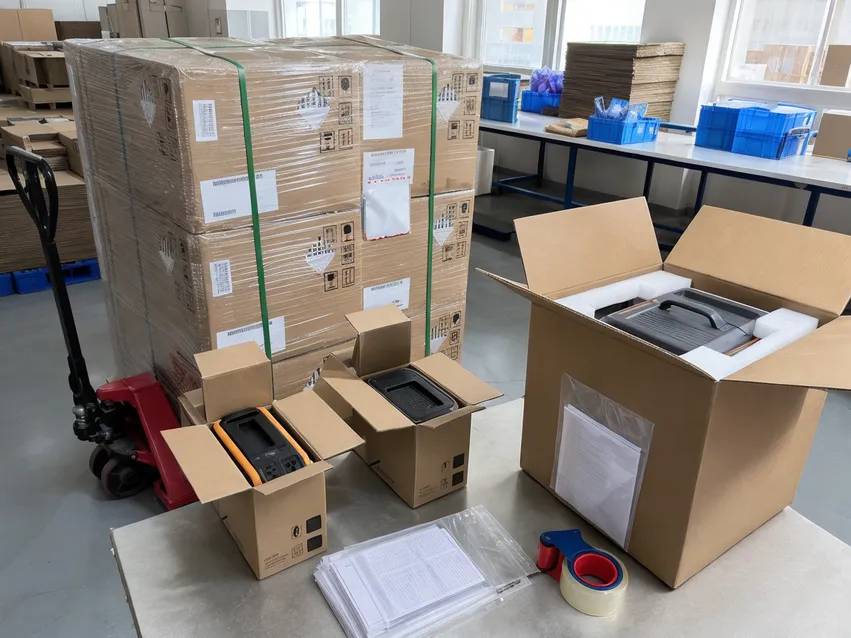
Lithium Battery Shipping Compliance
All shipments include proper DG (dangerous goods) declarations, UN38.3 test summary, and MSDS documentation. Carton markings include lithium battery handling labels per IATA/IMDG requirements.
We coordinate with DG-certified freight forwarders for both sea and air shipment.
Tell us your destination market and sales channel — we'll spec the packaging configuration and provide a shipping cost estimate.
Choosing the Camping Model Against Nearby Portable Solar Battery SKUs
The portable solar battery for camping sits within our broader portable solar battery range. Each sibling product targets a different channel and use case. Here's how they compare so you can position the right SKU for your market:
| Dimension | Camping Battery | Power Station | Charger | Kit |
|---|---|---|---|---|
| Primary Channel | Outdoor retail, overlanding, campsite rental | Home backup, outdoor events, mobile worksite | Consumer electronics retail, travel accessories | DIY solar, off-grid starter, education |
| Typical Capacity | 100–2000Wh | 500–5000Wh | 5–50Wh (power bank) | 50–500Wh + panel |
| Key Differentiator | Rugged enclosure, solar MPPT, outdoor IP rating | High AC output, large capacity, multiple outlet types | Ultra-portable, USB-focused, lightweight | Bundled panel + battery + cables |
| Buyer Profile | Camping/outdoor distributors, overlanding brands | Emergency supply, rental companies, contractors | Electronics wholesalers, travel accessory brands | Off-grid kit retailers, education suppliers |
| Reorder Pattern | Seasonal (spring/summer peak) | Year-round with event spikes | Continuous, trend-driven | Project-based, seasonal |
Position the Right SKU for Your Market
Portable Solar Battery Power Station
If your market needs larger AC-output backup units: 500–5000Wh with full AC inverter output.
View Power Station SKUsPortable Solar Battery Charger
If your market needs small device-charging SKUs: USB power banks and compact solar chargers.
View Charger SKUsPortable Solar Battery Kit
If your market needs bundled panel-and-battery packages: matched solar panels, cables, and accessories in one box.
View Kit SKUsFAQ for Camping Solar Battery Procurement
Common technical and commercial questions from distributors, brand owners, and procurement teams evaluating camping solar battery wholesale programs.
What capacity range sells best for camping solar batteries?
For outdoor retail, the 300–600Wh range moves fastest — it covers phone charging, LED lighting, small fans, and camera gear for 2–3 day trips without excessive weight. Overlanding and vehicle-camping channels skew higher: 1000–2000Wh units that can run 12V fridges and compressors.
If you're entering the camping solar battery wholesale market for the first time, stocking one mid-range (500Wh) and one high-capacity (1200Wh) SKU covers the majority of buyer inquiries without overcomplicating your inventory.
Is LiFePO4 better than lead-acid for camping portable batteries?
For portable applications, LiFePO4 wins on every metric that matters to your end customer and your warranty department:
- 3–4× the cycle life
- Half the weight at equivalent capacity
- Flat discharge curve (consistent voltage until nearly empty)
- Superior thermal stability
Lead-acid portable batteries still exist in ultra-budget African and South Asian markets where upfront cost dominates, but the weight makes them impractical for any "portable" positioning above 200Wh.
We manufacture both chemistries, but for camping channel SKUs, we recommend LiFePO4 unless your market specifically demands lowest possible unit cost regardless of weight.
What solar panel wattage should be matched with a camping battery?
Match panel wattage to achieve a full charge in 4–6 hours of peak sun:
500Wh Battery
100–150W panel input
1200Wh Battery
200–300W panel input
The MPPT controller in our camping batteries accepts a voltage range (typically 12–45V open circuit), so your customers can use various panel configurations.
When quoting, tell us your target charge time and we'll confirm the MPPT input window and recommend compatible panel specs for your market.
What certifications and shipping documents are needed for importing portable solar batteries?
At minimum:
- UN38.3 test summary (transport safety)
- MSDS (material safety)
- Proper DG shipping declarations
For European distribution, add CE. For product safety compliance in most markets, IEC 62133 covers portable lithium batteries. North America requires UL 2743 for portable power stations — we can support the testing process if your target market requires it.
All standard models ship with UN38.3, MSDS, CE, and IEC 62133 documentation included.
Can EVANBattery provide OEM branding for camping battery wholesale orders?
Yes. Standard MOQ for OEM branding (logo, color, label, manual, packaging) on existing models is 100 units. This covers:
- Silk-screen or pad-print logo application
- Custom shell color from existing molds
- Retail packaging with your artwork
- Manual in your market language
Full ODM with custom enclosure design, unique BMS firmware, or new certification scope requires higher MOQ depending on engineering complexity — we quote the threshold during initial consultation.
How should portable camping batteries be packaged for retail or e-commerce channels?
Retail
Custom printed box with product photography, molded foam insert, accessory compartment for cables, and multilingual quick-start guide.
E-Commerce
Frustration-free overbox rated for courier drop testing, FNSKU/barcode labels, and suffocation warnings per marketplace requirements.
Wholesale
Double-wall carton with EPE foam cradle, palletized with stretch wrap.
We configure packaging to your channel — tell us where the product sells and we'll spec accordingly.
RFQ Checklist for a Quote Your Team Can Cost Immediately
Send us the following details and we'll return a technical recommendation with pricing. The more complete your brief, the faster we can provide an accurate quote.
Your Quote Inputs
- Target capacity (Wh) and voltage
- Battery chemistry preference (LiFePO4 standard; lead-acid available for budget markets)
- Output port requirements (USB-A, USB-C PD, 12V DC, Anderson, AC inverter)
- Solar input wattage and voltage range
- Quantity (first order + estimated annual volume)
- Branding requirements (logo, color, packaging type)
- Certification market (CE, UL, PSE, BIS, or other)
- Destination port and shipping terms (FOB/CIF/DDP)
- Sample request (yes/no, quantity)
- Target timeline
What Happens Next
Our engineering team reviews your requirements, confirms technical feasibility, and returns a detailed quotation with specifications, unit pricing at your stated volume, lead time, and sample arrangement.