

200Ah Solar Battery from a Dedicated Manufacturer
12V or 24V, LiFePO4 or gel, with inverter-matched BMS and batch-level cell matching.
Built for distributors, contractors, and OEM partners who need consistent 200Ah capacity across repeat wholesale orders, not one-off retail units.
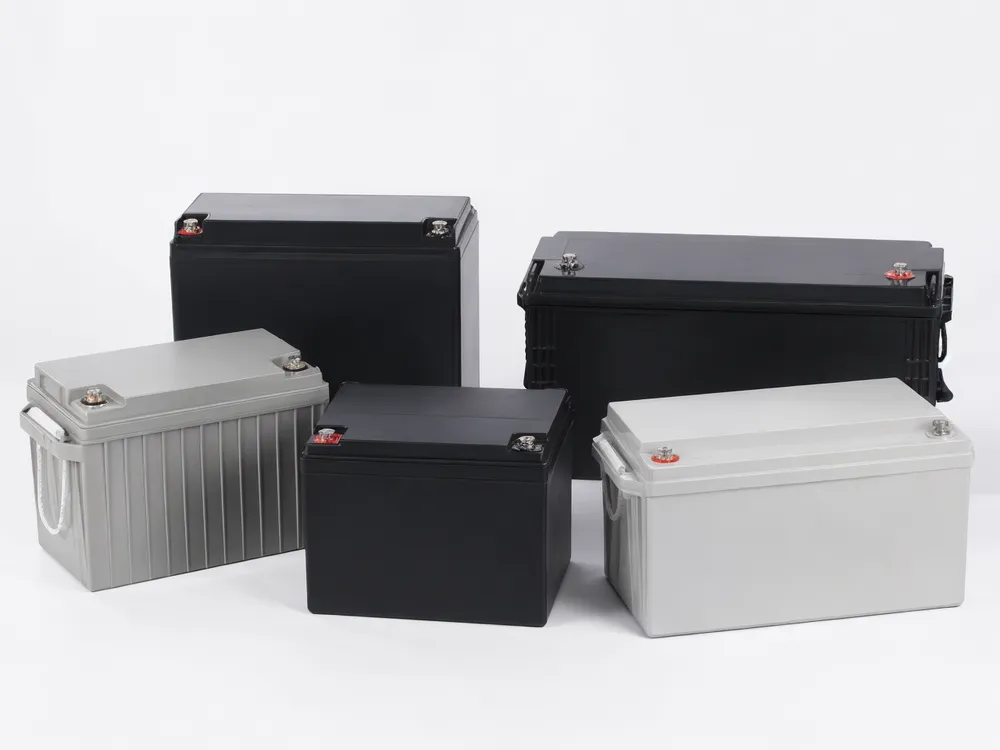
200Ah Solar Battery Built for Capacity-Based Wholesale Programs
200Ah is the capacity point where solar battery programs start generating serious per-unit margin. Below this — at 100Ah — you're selling entry-level kits with tight pricing. Above it — at 10kWh rack systems — you're in project-bid territory with longer sales cycles. The 200Ah solar battery sits in the middle: high enough capacity for meaningful runtime in off-grid and backup applications, packaged in a single unit that ships, stocks, and installs without specialized equipment.
We manufacture 200Ah solar batteries in both lithium (LiFePO4) and gel chemistry, across 12V and 24V configurations. As a 200Ah solar battery manufacturer since 2012, we've shipped this capacity class to distributors in Africa, Southeast Asia, Europe, the Middle East, and South America — each market with different chemistry preferences, inverter ecosystems, and documentation requirements. This page covers the technical and commercial details you need to evaluate whether our 200Ah range fits your program.
Browse our full solar battery capacity series for other Ah optionsBelow 200Ah — 100Ah
Entry-level kits with tight pricing. Lower per-unit margin, higher volume dependency.
View 100Ah range →200Ah — The Volume Sweet Spot
High enough capacity for meaningful off-grid and backup runtime. Ships, stocks, and installs without specialized equipment. Serious per-unit margin.
Above 200Ah — 10kWh Rack Systems
Project-bid territory with longer sales cycles. Requires specialized installation and commissioning.
View 10kW range →12V and 24V 200Ah Options for Different Inverter Packages
The voltage decision at 200Ah comes down to what inverter ecosystem your market uses and how your customers wire their systems.
12V 200Ah Solar Battery
The Universal Format
Compatible with the widest range of off-grid inverters, solar charge controllers, and backup systems. Most residential solar kits in Africa and Southeast Asia run 12V architecture because the inverters are affordable and widely available.
A single 12V 200Ah battery delivers 2.4kWh of stored energy, enough for basic household loads through an overnight cycle.
If you're building solar home system bundles or replacement battery programs for existing 12V installations, this is your volume SKU.
24V 200Ah Solar Battery
Higher Efficiency at the Same Capacity
At 24V, the same 200Ah capacity delivers 4.8kWh per unit. Current is halved compared to 12V at equivalent power draw, so cable sizing drops and system losses decrease.
This matters for inverter backup packages above 3kW and for installations where cable runs exceed 3 meters.
European and Middle Eastern markets lean toward 24V and 48V architectures for residential storage — if that's your territory, the 24V 200Ah is the more natural fit.
12V vs 24V at 200Ah — Quick Comparison
| Parameter | 12V 200Ah | 24V 200Ah |
|---|---|---|
| Nominal energy | 2.4 kWh | 4.8 kWh |
| Typical inverter range | 1–3 kW off-grid | 3–5 kW hybrid/off-grid |
| Primary markets | Africa, SE Asia, rural off-grid | Europe, Middle East, residential backup |
| Cable current at 2 kW load | ~167A | ~83A |
| SKU stacking | Pairs well with 100Ah for tiered kits | Pairs with 48V systems via series |
Building a Multi-Voltage Catalog?
We run 12V solar battery and 24V solar battery lines simultaneously, so your mixed container ships complete. Combine 12V and 24V 200Ah units in a single order to serve both market segments from one shipment.
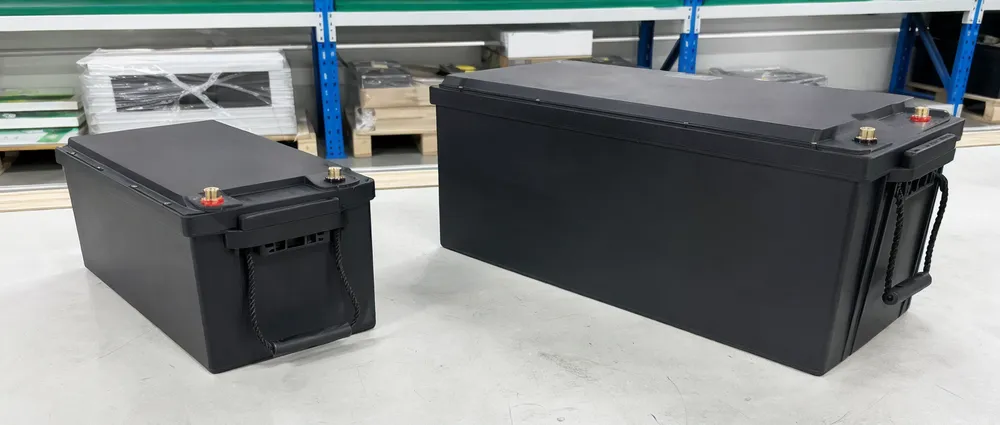
Lithium or Gel at 200Ah: Stock the Chemistry Your Market Sells
At 200Ah, chemistry choice is a commercial decision as much as a technical one. Both LiFePO4 and gel deliver reliable solar storage — the question is which one your downstream customers will pay for and which one protects your margin over the warranty period.
LiFePO4 200Ah
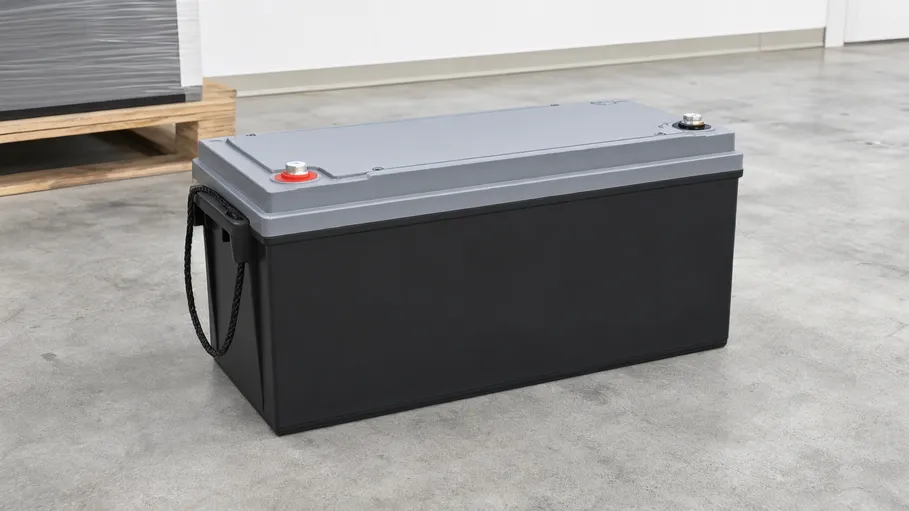
Cycle life typically reaches 3,000–5,000 cycles at 80% DoD, so your warranty exposure stays low even on a 5-year guarantee.
Weight runs around 20–25 kg for a 12V 200Ah pack (versus 50–60 kg for gel), which cuts your freight cost per kWh and makes installation easier for your contractors.
The upfront unit cost is higher, but the per-cycle cost is lower — and that's the number your technically-aware customers calculate.
Markets with growing residential storage adoption (Europe, parts of the Middle East, urban Southeast Asia) are moving toward lithium because end users compare total cost of ownership, not sticker price.
200Ah Gel Solar Battery
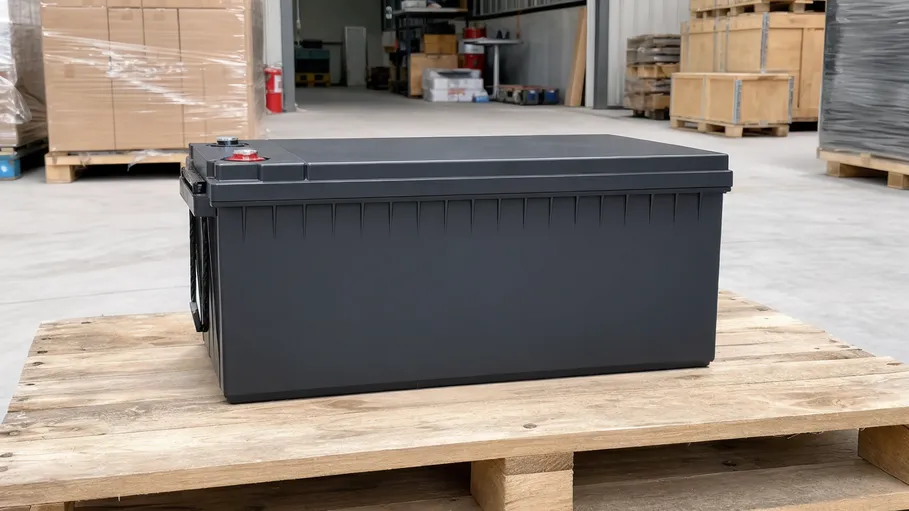
Gel batteries at 200Ah remain the dominant chemistry in African off-grid solar, rural South American installations, and budget-tier backup systems.
Cycle life is lower (typically 500–800 cycles at 50% DoD), but the unit cost is 40–60% below lithium, and gel requires no BMS — which simplifies your after-sales support.
Heat tolerance is reasonable up to 45°C ambient without active cooling.
If your market competes on landed price per unit rather than lifecycle cost, gel is still the volume play.
We've seen distributors carry both: lithium for urban accounts, gel for rural — the 200Ah capacity stays constant, only the chemistry and price tier change.
For gel-focused programs, see our 12V gel solar battery for price-sensitive solar kits.
Technical Specifications for RFQ Comparison
The table below covers industry-typical parameters for our 200Ah solar battery range. Use these for initial comparison — request a model-specific datasheet for exact values before finalizing your procurement spec.
| Parameter | 12V 200Ah LiFePO4 | 24V 200Ah LiFePO4 | 12V 200Ah Gel | 24V 200Ah Gel |
|---|---|---|---|---|
| Nominal voltage | 12.8V | 25.6V | 12V | 24V |
| Capacity | 200Ah | 200Ah | 200Ah | 200Ah |
| Energy | 2.56 kWh | 5.12 kWh | 2.4 kWh | 4.8 kWh |
| Cycle life (typical) | 3,000+ @ 80% DoD | 3,000+ @ 80% DoD | 600+ @ 50% DoD | 600+ @ 50% DoD |
| Max continuous discharge | 100A (typical) | 100A (typical) | 20A (0.1C) | 20A (0.1C) |
| Recommended charge current | 40–50A | 40–50A | 20–30A | 20–30A |
| BMS protection | Over-charge, over-discharge, over-current, short-circuit, temperature | Same | N/A (no BMS) | N/A (no BMS) |
| Communication (optional) | RS485, Bluetooth | RS485, CAN, Bluetooth | N/A | N/A |
| Operating temperature | -20°C to 55°C | -20°C to 55°C | -15°C to 45°C | -15°C to 45°C |
| Weight (typical) | 22–26 kg | 44–52 kg | 55–62 kg | 110–125 kg |
| Terminal type | M8 bolt / copper insert | M8 bolt / copper insert | M8 bolt | M8 bolt |
| Casing material | Steel or ABS (model-dependent) | Steel or ABS | ABS | ABS |
| Certifications available | CE IEC 62133 UN38.3 MSDS | CE IEC 62133 UN38.3 MSDS | CE IEC | CE IEC |
Specifications shown are industry-standard values for this product type. Actual specifications may vary by model and configuration. Request a datasheet and quote for 200Ah solar battery models for confirmed parameters.
Inverter Matching Details That Prevent Field Returns
The most common source of warranty claims on 200Ah solar batteries isn't cell failure — it's mismatched BMS settings and inverter charge parameters. When a battery's cut-off voltage doesn't align with the inverter's charge profile, you get premature shutdowns, incomplete charging, and customer complaints that sound like "the battery died after three months." The battery is fine; the system integration is wrong.
Here's what to verify before you commit to a 200Ah solar battery for inverter packages:
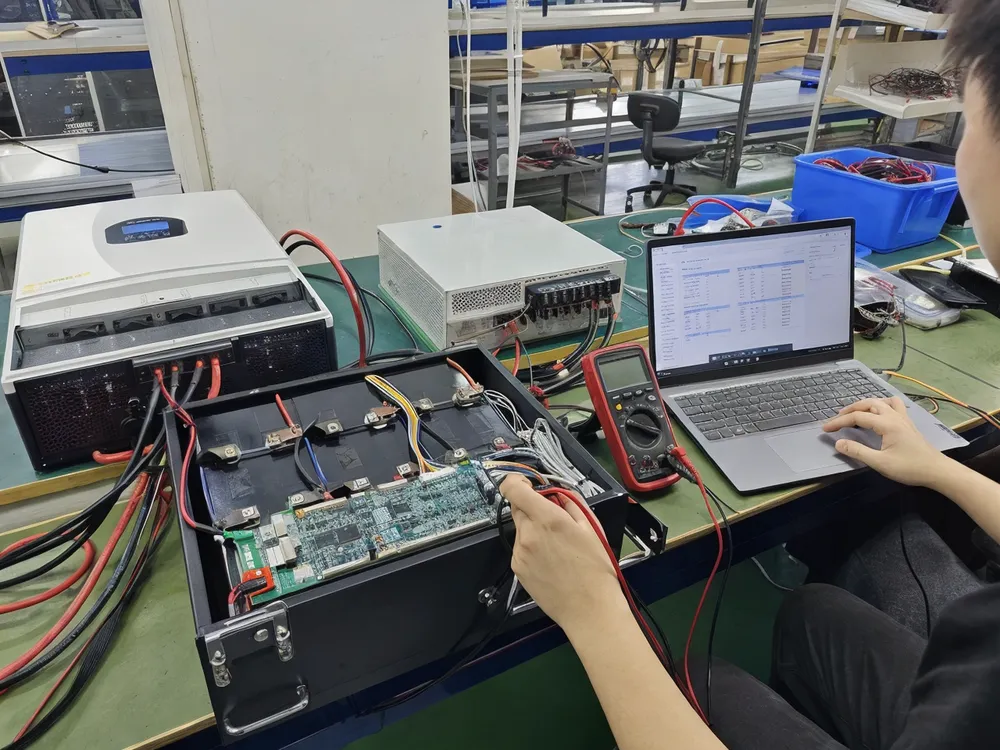
From Our Testing Lab
About 30% of the field-return batteries we've tested from other suppliers had nothing wrong with the cells. The BMS parameters simply didn't match the inverter. We now include a one-page inverter compatibility checklist with every lithium shipment.
Charge Voltage Alignment
A 12V 200Ah LiFePO4 battery needs a charge voltage of 14.2–14.6V (model-dependent). Many older PWM controllers and budget inverters default to lead-acid profiles at 14.4–14.8V — close enough to overcharge lithium cells over time.
We set BMS over-charge protection to catch this, but repeated triggering degrades the customer experience.
Action
Confirm your inverter supports a lithium charge profile, or specify the exact charge voltage when ordering so we program the BMS accordingly.
Discharge Current Headroom
A 200Ah solar battery for inverter backup needs to handle the inverter's peak draw. A 3kW inverter on a 12V system pulls roughly 250A at peak — well above the typical 100A continuous rating.
Our BMS handles short-duration peaks (typically 150–200A for 30 seconds), but sustained overload triggers protection.
Action
Match your inverter's rated power to the battery's continuous discharge spec, not its peak spec.
Communication Protocol
If your inverter supports battery communication (Pylontech protocol, CAN bus, RS485), specify this at order stage. We program the BMS communication firmware to match — this enables SOC display, charge/discharge management, and remote monitoring on compatible inverters.
Without communication, the inverter relies on voltage-based SOC estimation, which is less accurate for LiFePO4's flat discharge curve.
Series & Parallel Configuration
For 24V 200Ah systems using two 12V batteries in series, BMS balancing between units matters. We can supply matched pairs with cell-level capacity variance under 2% to minimize imbalance drift.
For parallel configurations (expanding capacity), all units should come from the same production batch — specify this when ordering.
Factory Process for Consistent 200Ah Battery Batches
When you order 500 units of a 200Ah solar battery, the difference between a good supplier and a reliable one shows up six months later — when your customers start comparing runtime across units from the same batch. Consistency at 200Ah is harder than at smaller capacities because more cells per pack means more opportunities for mismatch.
Automated Cell Sorting
Every incoming cell is tested individually for actual capacity (not nameplate), internal resistance, and open-circuit voltage. Cells are then grouped into bins with matching criteria within 20mV voltage and 5mΩ resistance.
Why it matters: A 12V 200Ah LiFePO4 pack uses 4 cells in series — if one cell is 3% weaker than the others, it becomes the bottleneck for the entire pack's usable capacity. Tight sorting at intake prevents this.
Torque-Controlled Assembly
Cell-to-busbar connections use calibrated torque drivers, not hand-tightened bolts. Inconsistent contact resistance at connection points creates hot spots under high current — the kind of problem that doesn't show up in factory testing but causes terminal discoloration and capacity fade after 6 months of cycling.
BMS Integration & Programming
Each BMS is programmed with protection parameters specific to the cell batch it's paired with. We don't use a single generic firmware across all 200Ah packs — the over-charge threshold, balance trigger voltage, and temperature compensation curve are set based on the actual cell characteristics in that batch.
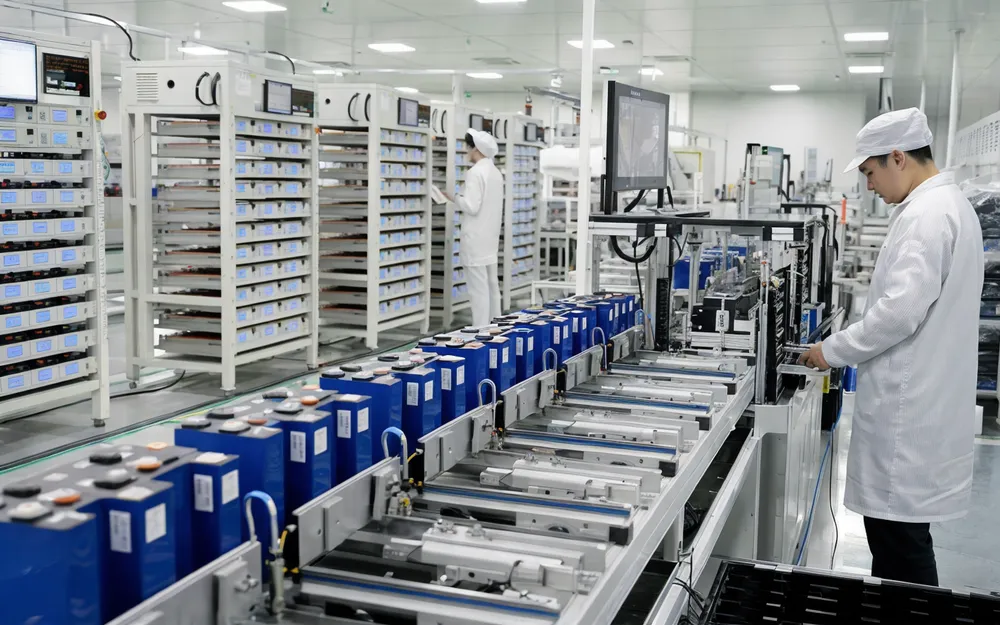
Aging & Capacity Verification
After assembly, every pack goes through a 24–72 hour aging period followed by a full charge/discharge cycle at rated current. We record actual delivered capacity.
Our standard: Packs that fall below 98% of nominal get pulled for cell replacement, not shipped as "within tolerance." Your customers receive batteries that deliver what the label says.
Batch Traceability
Every pack carries a serial number linked to its cell batch, BMS firmware version, test data, and production date. If a field issue surfaces, we can trace it back to the specific cell lot and production run within minutes.
Market Segments Where 200Ah Solar Batteries Move in Repeat Orders
200Ah is not a niche capacity — it's a volume sweet spot across multiple solar storage segments. Each segment below represents a repeatable order pattern, not a one-time project.
Off-Grid Solar Home Kits
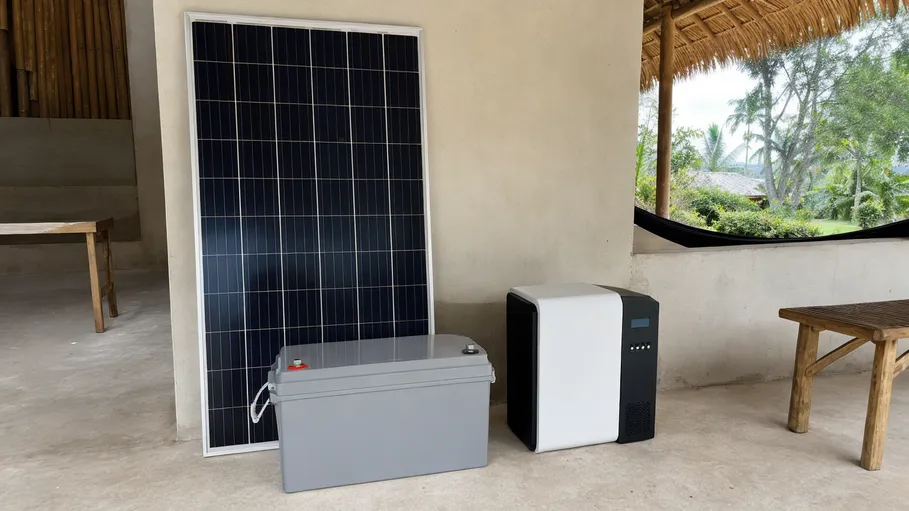
The core application for 200Ah batteries in Africa, rural Southeast Asia, and parts of South America. A typical kit bundles a 200Ah gel or LiFePO4 battery with a 300–500W solar panel and a 1–2kW inverter. Distributors sell these as complete packages to households without grid access.
Order patterns are seasonal (pre-rainy season stocking) and repeat quarterly for established distributors. The 200Ah gel solar battery dominates this segment on price; lithium is gaining share in urban-adjacent areas where customers calculate lifecycle cost.
Seasonal, quarterly repeats for established distributors
Inverter Backup Replacement Programs
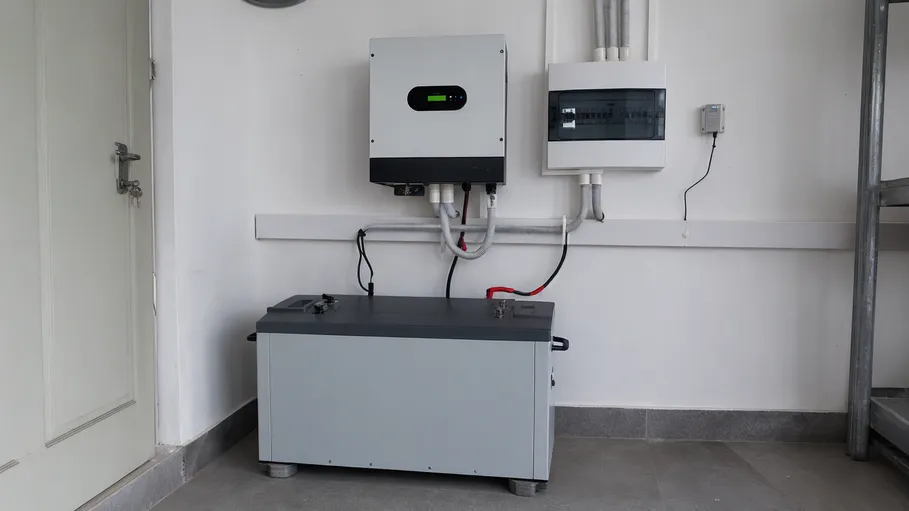
Grid-connected markets with frequent outages (Nigeria, South Africa, Pakistan, parts of India) drive steady demand for 200Ah solar batteries for inverter backup. End users already own inverters — they need replacement batteries every 2–3 years (gel) or are upgrading from lead-acid to lithium for longer life.
This is a pure replacement market: predictable demand, price-sensitive, and brand-loyal once the first unit performs. If you stock 200Ah batteries that match the common inverter brands in your market, reorders come without marketing spend.
Predictable replacement cycle, brand-loyal reorders
Telecom, Security, and Site Power
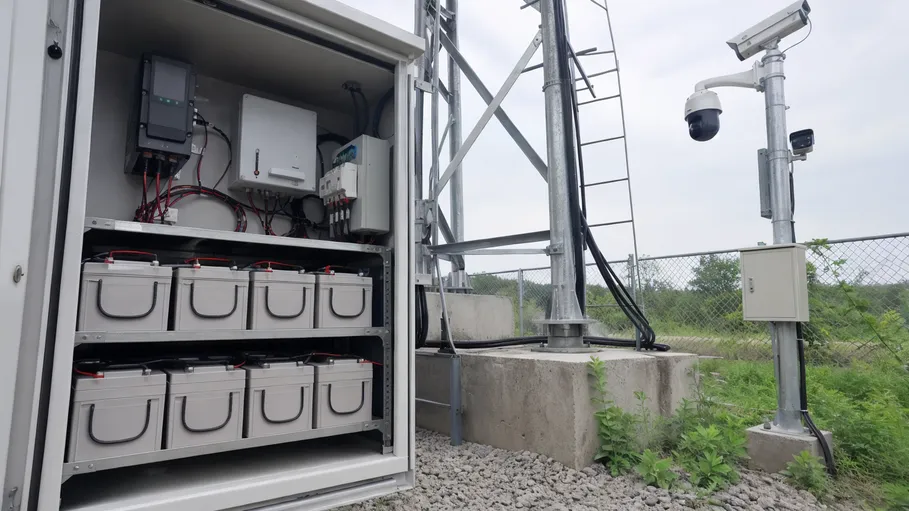
Telecom towers, CCTV installations, and remote monitoring stations need reliable backup power in locations where grid supply is intermittent or absent. 200Ah at 12V or 24V fits the power budget for most small-to-medium site installations.
Orders come through system integrators and project contractors — typically 50–200 units per project, with follow-on maintenance replacement contracts. The 200Ah solar battery for inverter applications in this segment requires tighter BMS specs and wider temperature tolerance, which we configure at production.
50–200 units per project, maintenance replacement contracts
Residential Storage Distribution
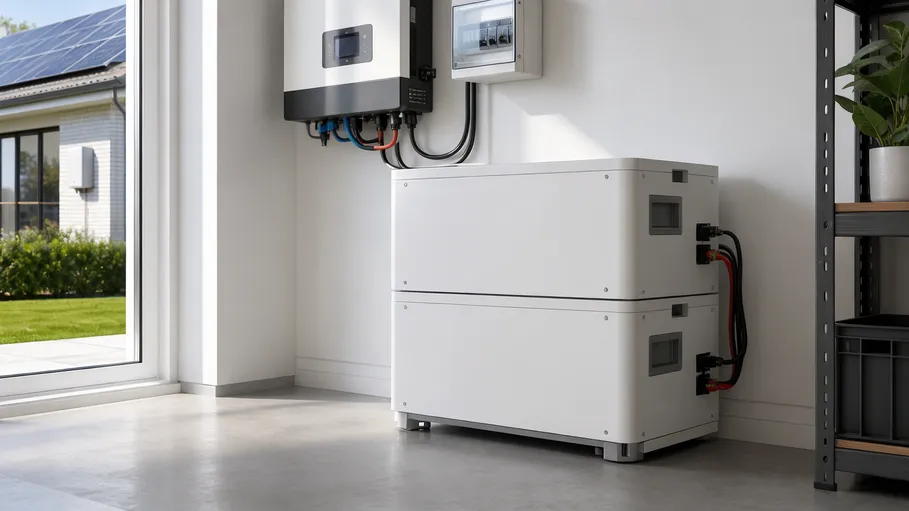
In markets transitioning to residential solar storage (Southern Europe, Middle East, urban Africa), distributors are building product lines around modular capacity. A 24V 200Ah LiFePO4 battery at 4.8kWh per unit serves as a building block — customers buy one or two units depending on their consumption.
This segment rewards distributors who can offer consistent supply, technical support documentation, and inverter compatibility data. Margins are higher than off-grid kits because the customer base values performance over price.
Consistent supply, higher margins, performance-driven buyers
For buyers focused on backup applications, see our solar battery backup supply programs.
OEM/ODM Options Without Turning One SKU Into a Slow Project
Most buyers start with our standard 200Ah models — 12V or 24V, LiFePO4 or gel, with our default BMS configuration and EVANBattery branding. But if your program needs something specific, here's what we can adjust without turning a straightforward order into a six-month development project:
Voltage & Capacity Fine-Tuning
Need 25.6V instead of 24V for a specific inverter match? Or 230Ah instead of 200Ah to hit a marketing-friendly kWh number? We adjust cell configuration and BMS parameters accordingly. Standard cell arrangements cover most requests without new tooling.
BMS Customization
Protection thresholds (over-charge, over-discharge, over-current), balance parameters, communication protocol (RS485, CAN, Bluetooth), and low-temperature charge cut-off. If your inverter brand requires a specific communication protocol for SOC reporting, we match it.
Casing & Terminals
Steel or ABS enclosure, terminal type (M8 bolt, copper insert, Anderson connector), and mounting configuration (floor-standing, wall-mount brackets, rack ears for 19" cabinets).
Branding & Packaging
Your logo on the battery label, custom color on the casing (for orders above 300 units on lithium models), branded carton design, and documentation with your company name and contact details. We can produce batteries that look like your product, not ours.
Documentation Package
Datasheet with your branding, user manual in your target language, warranty card template, and certification documents referencing your brand where applicable.
MOQ Logic
We'll confirm the exact threshold before you commit. MOQs scale with customization depth — not arbitrary minimums.
OEM/ODM MOQ Thresholds
| Customization Level | Minimum Order | Scope |
|---|---|---|
| Standard models | 100 units | EVANBattery branding, default BMS |
| Label / branding changes | 200 units | Your logo, documentation, packaging on existing models |
| BMS parameter changes | 300 units | Protocol matching, threshold adjustments, communication config |
| Full custom configuration | 500+ units | New cell arrangement, new enclosure — scope-dependent |
For full OEM/ODM scope, see our custom solar battery OEM/ODM support page.
Compliance, Packing, and Export Documents for Battery Shipments
Batteries are dangerous goods for international shipping. Missing or incorrect documentation doesn't just delay your container — it can result in port rejection and return freight charges. Here's what we provide and how we pack:
Certifications & Test Reports
- ISO 9001:2015 — manufacturing system certification
- CE — European market access
- IEC 62133 — battery safety
- UN38.3 — transport safety testing
- MSDS — material safety data
All reports are maintained current and available in PDF for your import clearance files. We update UN38.3 reports whenever cell suppliers change — some factories don't, and their buyers discover the mismatch at customs.
DG Shipping Documentation
We prepare a complete documentation package for every shipment — your freight forwarder receives everything needed:
- UN38.3 test summary
- Shipper's declaration for dangerous goods
- Proper shipping name and UN number classification
- Packing instruction compliance (PI965/PI966/PI967 for lithium; non-restricted for gel)
Packing for Battery Shipments
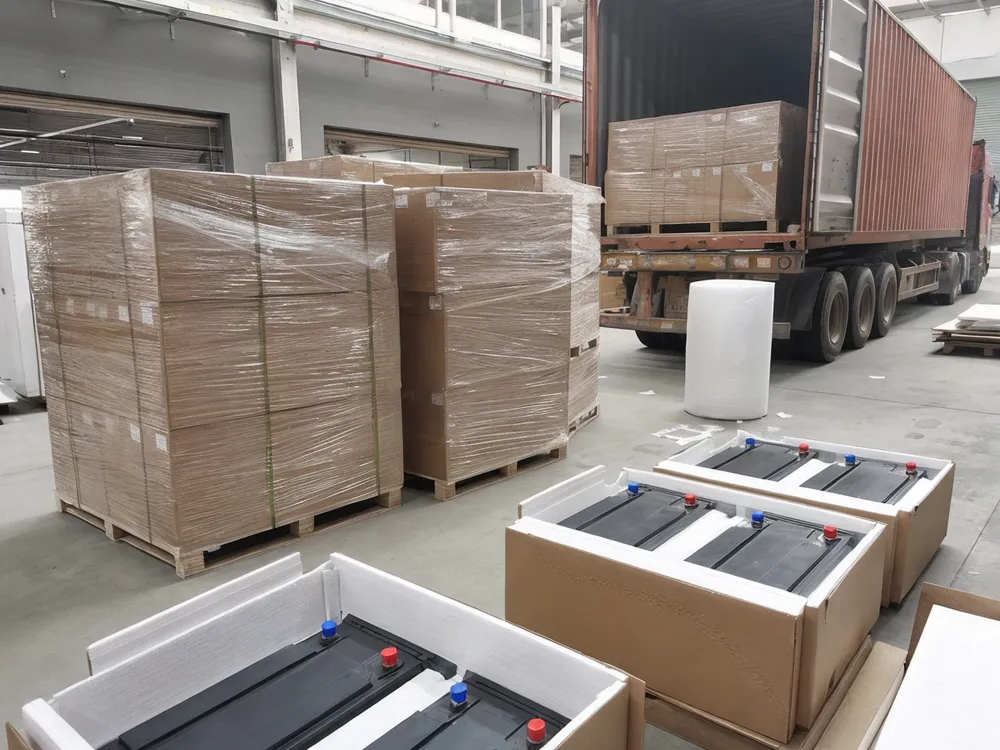
Individual units in foam-lined cartons with terminal protection caps. Cartons palletized with corner boards and stretch wrap.
Lithium batteries: Outer packaging meets UN-rated standards.
Gel batteries: Ship as non-restricted but still receive reinforced packing for overland transport to inland destinations.
African and South American buyers: We double-wall the cartons and add extra corner protection based on what we've learned about inland logistics in those regions.
Container Loading
We provide a loading plan with your order confirmation so you can calculate landed cost per unit accurately.
20GP Container Capacity (12V 200Ah)
Weight-limited for gel, volume-limited for lithium
Review our full certification documents for downloadable reports including ISO 9001:2015, CE, IEC 62133, UN38.3, and MSDS — all maintained current and ready for your import clearance files.
Request Certification Package100Ah, 200Ah, or 10kW: Capacity Selection for Your Product Line
If you're building a capacity-based product line, here's how the three tiers compare from a distribution perspective:
| Factor | 100Ah | 200Ah | 10kW (rack/modular) |
|---|---|---|---|
| Typical buyer | Budget solar kit assemblers, entry-level distributors | Mid-tier distributors, project contractors, replacement market | Commercial installers, residential storage specialists |
| Unit ticket value | Lower — high volume, thin margin | Medium — balanced volume and margin | Higher — fewer units, larger per-order value |
| Stocking risk | Low per unit, but needs volume to justify freight | Moderate — each unit ties up more capital | Higher — slower turns, project-dependent |
| Market breadth | Widest — fits almost any small solar system | Wide — off-grid, backup, telecom, residential | Narrower — residential storage, commercial |
| Reorder pattern | Frequent, small-to-medium batches | Quarterly or project-driven, medium batches | Project-based, less predictable |
| Trial order size | 100–200 units | 100–300 units | 10–50 units |
Distributor stocking strategy
Many of our distributors carry both 100Ah and 200Ah as complementary SKUs — the 100Ah for price-sensitive entry kits and the 200Ah for customers who need longer runtime or are upgrading from a smaller battery. The 10kW tier serves a different buyer profile entirely.
Explore other capacity tiers
FAQ for 200Ah Solar Battery Sourcing
Answers to the questions distributors and system integrators ask most when specifying 200Ah batteries for their programs.
Should I stock 12V or 24V 200Ah batteries?
LiFePO4 or gel for 200Ah solar batteries — which sells better?
What size inverter works with a 200Ah solar battery?
What is the MOQ for 200Ah solar batteries?
100 units for standard models (any voltage/chemistry combination in our catalog). Tiered MOQs for customization:
- OEM branding on standard models: 200 units
- Custom BMS parameters: 300 units
- Fully custom configuration: 500+ units
We can mix voltages and chemistries within a single container order as long as each SKU meets its respective MOQ.
Can I connect 200Ah batteries in series or parallel?
Yes. Two 12V 200Ah in series gives you 24V 200Ah. Two 12V 200Ah in parallel gives you 12V 400Ah.
For series connections with LiFePO4, we recommend ordering matched pairs (same production batch, capacity variance under 2%) to prevent imbalance. For parallel, all units should share the same BMS firmware version.
Maximum parallel configuration depends on the BMS design — typically 4 units in parallel without additional management hardware. Specify your intended configuration at order stage so we match accordingly.
What export documents come with a 200Ah battery order?
Every shipment includes:
- UN38.3 test summary
- MSDS
- Shipper's declaration for dangerous goods (lithium models)
- Commercial invoice
- Packing list
- Certificate of origin
CE and IEC 62133 test reports are available on request for your market registration files.
If your destination requires additional documentation (e.g., BIS for India, SASO for Saudi Arabia), our team can advise on the process and provide supporting technical data.
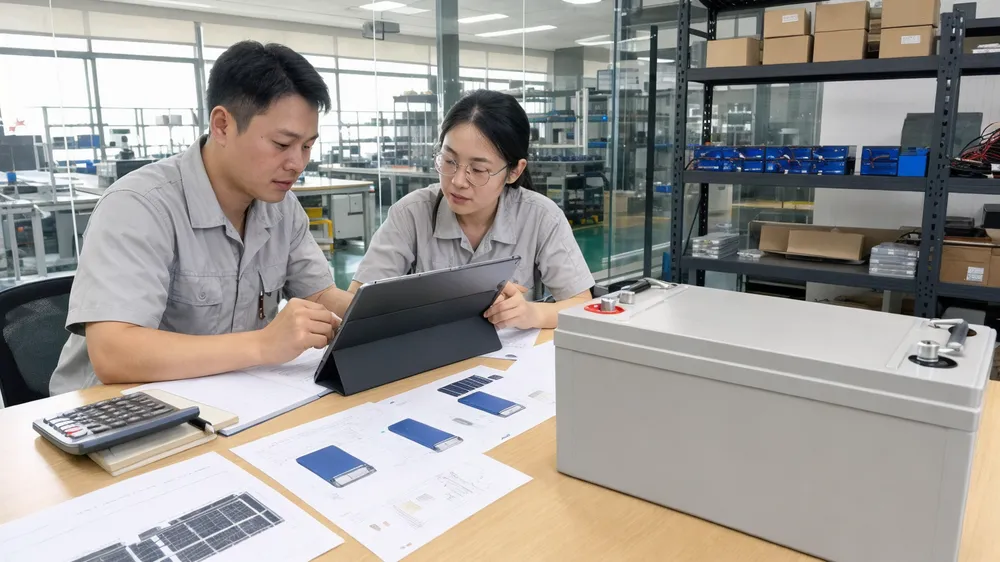
Send Your Inverter, Market, and Quantity for a 200Ah Battery Quote
Tell us what you're working with and we'll send back a technical recommendation with pricing. We respond with a technical proposal and FOB pricing within 48 hours for standard configurations.
Include these details for the fastest response:
Voltage
12V, 24V, or both
Chemistry
LiFePO4, gel, or both for comparison
Inverter brand/model
If known — so we match BMS parameters
Monthly or quarterly quantity
For accurate tier pricing
Branding requirement
EVANBattery label, your brand, or neutral
Destination market
For correct certification and documentation package
Any custom specs
Terminal type, communication protocol, casing preference
Explore related capacities