Solar Battery Storage From a Manufacturer That Only Makes Batteries
LiFePO4, gel, and AGM packs across 12V, 24V, and 48V platforms — backup, rack-mounted, bank, and containerized formats for distributors, project contractors, and OEM partners.
Solar Battery Storage Built for Repeat Wholesale and Project Supply
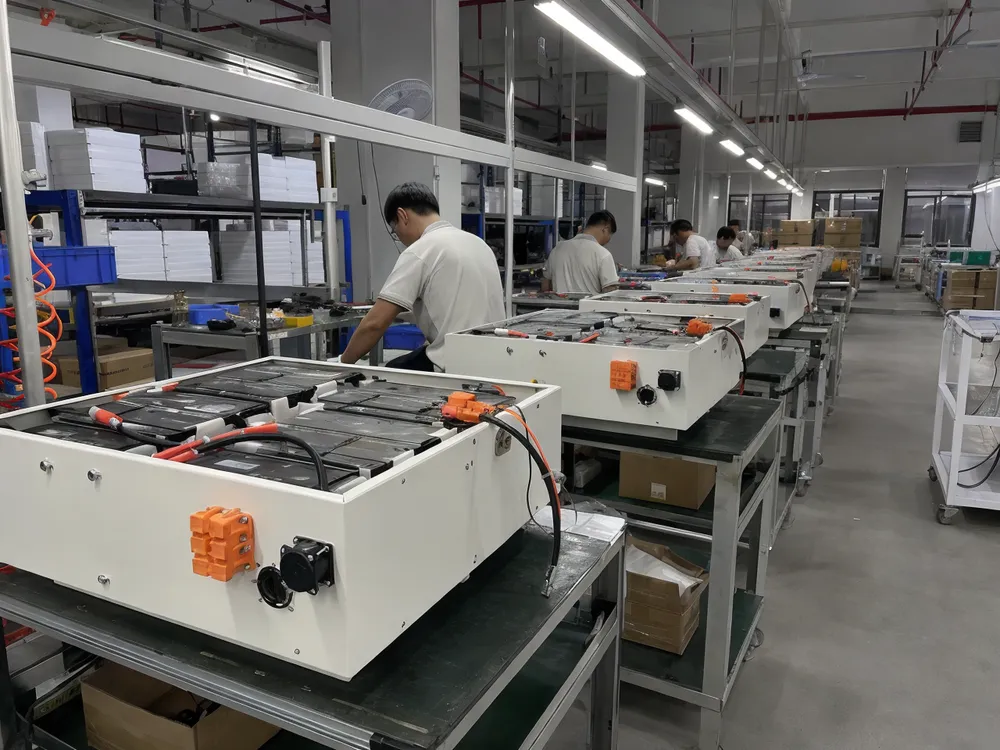
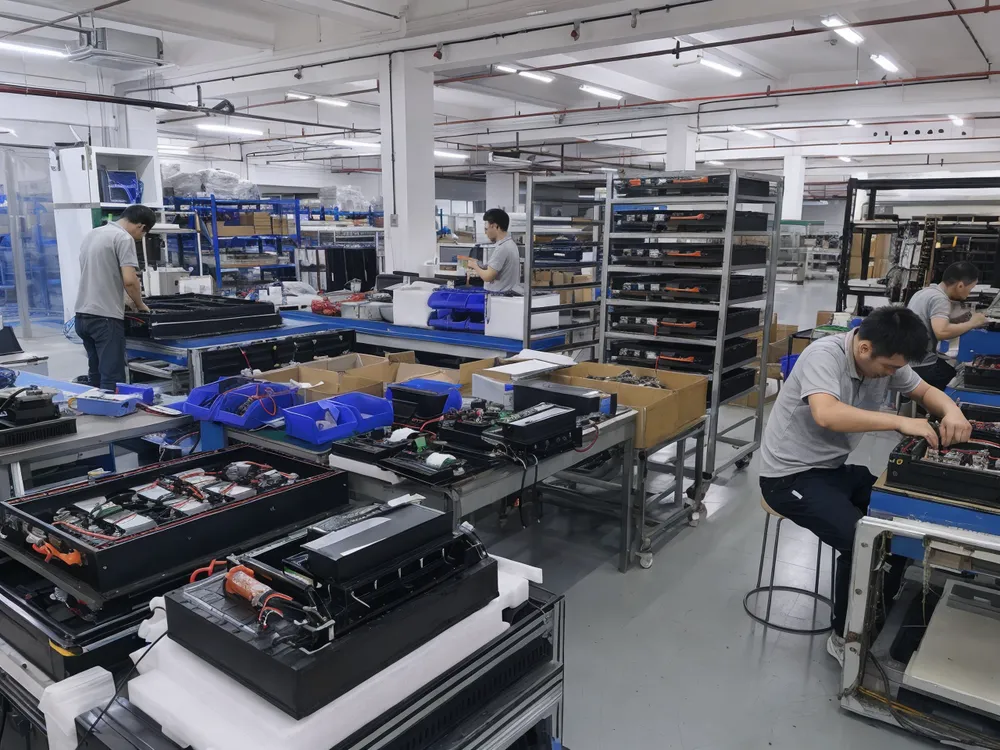
We manufacture solar battery storage — lithium (LiFePO4) and lead-acid (gel, AGM) — for buyers who need consistent supply, not a one-time purchase. Our factory in Zhongshan, Guangdong has been doing this since 2012. We don't make panels, inverters, or charge controllers. We make the battery packs and BMS systems that go inside your storage installations, and we make them at a volume that supports ongoing wholesale programs.
9,900 square meters, 6 dedicated production lines, 150 employees, 2,000,000 units annual capacity — your repeat orders run on their own line schedule without queuing behind other buyers. We carry ISO 9001:2015, CE, IEC 62133, UN38.3, and MSDS documentation across our standard catalog, so your import paperwork is handled before you ask for it.
If you're screening solar battery storage manufacturers and need to confirm product range, spec coverage, and production readiness, this page gives you the full picture. Pick the storage format that fits your market, then move to the product page for detailed specifications — or send your requirements directly and we'll respond with a technical recommendation.
Learn more about our factory and teamFactory at a Glance
Standard Certifications
Carried across our standard catalog — import paperwork handled before you ask.
Product Line Map for Solar Battery Storage Buyers
Our solar battery storage range breaks into four product families. Each one serves a different installation format and market segment. Here's how they map to your buying needs:
Solar Battery Backup
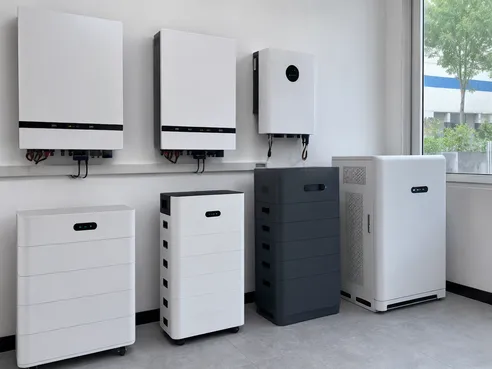
Backup power and hybrid/off-grid storage programs. Packs your residential and light-commercial customers install for grid outage protection or daily solar self-consumption. Available in LiFePO4 across multiple voltage and capacity configurations — wall-mounted, floor-standing, and stackable formats depending on the installation environment.
If you supply residential installers or run a home solar battery storage distribution program, this is your starting point. The backup line covers the volume sweet spot where most distributor reorders land.
View Backup Line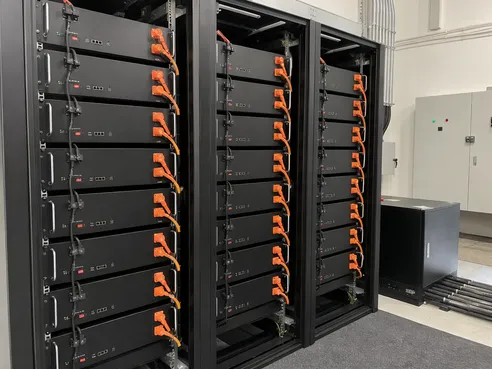
Rack Mounted Solar Battery
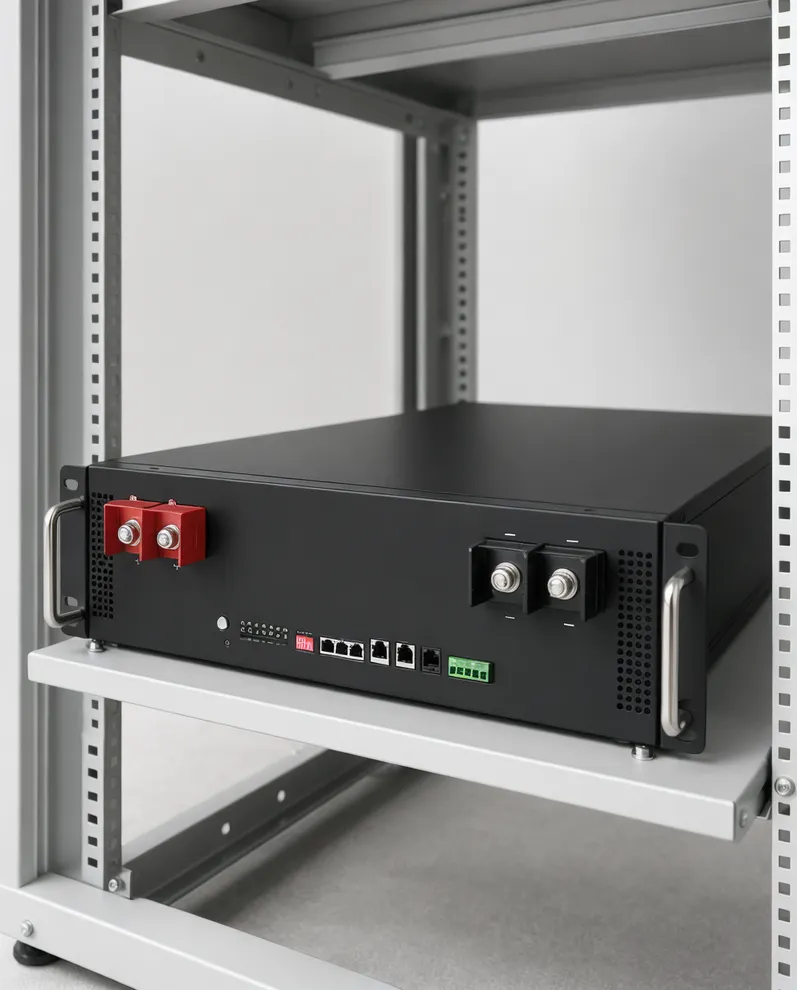
48V/51.2V LiFePO4 rack systems designed for server-room-style installations. Commercial buildings, telecom sites, and project contractors who need modular, scalable storage in standard 19-inch rack enclosures. These units stack vertically, communicate via RS485 or CAN bus, and integrate with most commercial hybrid inverters.
For buyers building a commercial solar battery storage catalog or supplying repeat project orders, the rack-mounted line gives you a standardized SKU that scales without custom engineering on every job.
View Rack-Mounted Line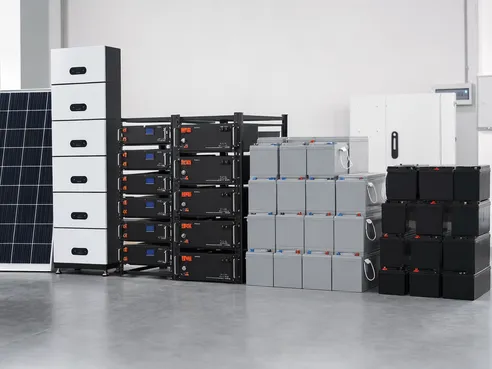
Solar Battery Bank
12V, 24V, and 48V battery bank configurations — both LiFePO4 and lead-acid (gel, AGM). This is the broadest product family in terms of chemistry and voltage options. Off-grid distributors, solar home system suppliers, and buyers serving price-sensitive markets where gel or AGM still dominates will find their core SKUs here.
We still ship more lead-acid battery banks to Africa and parts of Southeast Asia than lithium — the installed base of charge controllers in those markets hasn't fully transitioned yet, and your customers need drop-in replacements.
View Battery Bank Line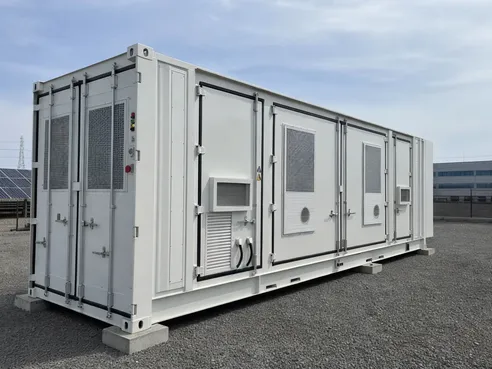
Container Solar Battery Storage
Large-format containerized storage for commercial and industrial projects. When your project exceeds what rack-mounted modules can handle — or when the installation site needs a self-contained, pre-wired enclosure — this is the product family. Container storage involves project-specific engineering: capacity sizing, thermal management, fire suppression integration, and logistics planning.
If you're quoting a project that needs 100kWh or more in a single enclosure, contact us with your project specifications and our engineering team will scope the configuration.
View Container LineMatch the Storage Format to Your Market Segment
Choosing the right solar battery storage format starts with your market, not with the battery itself. Here's how buyers map their business to our product families:
| Your Market Segment | Recommended Storage Format | Why This Fits |
|---|---|---|
| Residential installer programs | Backup (wall-mount, stackable LiFePO4) | Compact form factor, plug-and-play BMS, repeat SKU simplicity |
| Off-grid solar home system distributors | Battery Bank (12V/24V gel, AGM, or LiFePO4) | Matches existing charge controller ecosystems, price flexibility across chemistries |
| Commercial backup and peak-shaving | Rack Mounted (48V/51.2V LiFePO4) | Modular scaling, standard rack enclosure, CAN/RS485 communication |
| Telecom tower and microgrid contractors | Rack Mounted or Battery Bank (48V LiFePO4) | Stable 48V platform, BMS protection for unattended sites, export-ready packaging |
| Large C&I and utility-adjacent projects | Container Storage | Pre-integrated enclosure, project-specific thermal and safety engineering |
Residential Installer Programs
Backup (wall-mount, stackable LiFePO4)
Compact form factor, plug-and-play BMS, repeat SKU simplicity
Off-Grid Solar Home System Distributors
Battery Bank (12V/24V gel, AGM, or LiFePO4)
Matches existing charge controller ecosystems, price flexibility across chemistries
Commercial Backup and Peak-Shaving
Rack Mounted (48V/51.2V LiFePO4)
Modular scaling, standard rack enclosure, CAN/RS485 communication
Telecom Tower and Microgrid Contractors
Rack Mounted or Battery Bank (48V LiFePO4)
Stable 48V platform, BMS protection for unattended sites, export-ready packaging
Large C&I and Utility-Adjacent Projects
Container Storage
Pre-integrated enclosure, project-specific thermal and safety engineering
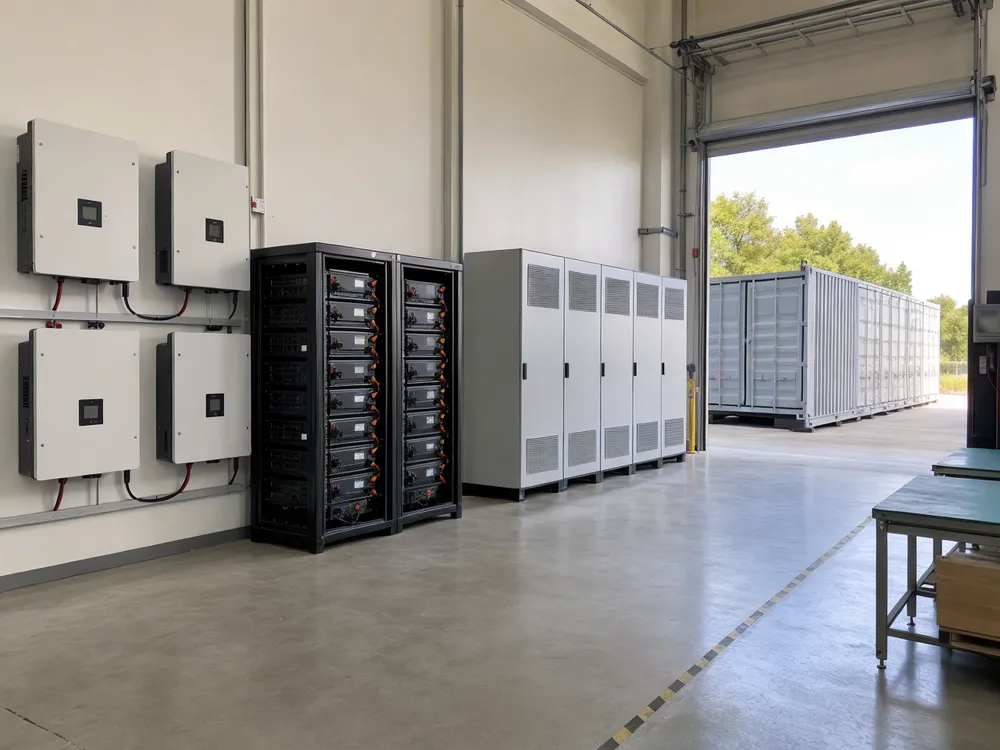
If you sell into the residential segment and need home solar battery storage with wall-mounted or stackable options, that dedicated category page covers the full residential product range.
For commercial solar battery storage at the 48V rack level, the product page provides exact module specifications and communication protocol details.
Not sure which format fits your pipeline? Send us your target market, typical project size, and volume expectations — we'll recommend the product family and suggest a starter SKU mix based on what moves for our existing distributors in your region.
Category-Level Specifications Buyers Should Confirm First
Before requesting a quote, confirm that our solar battery storage specification range covers your requirements. This table shows category-wide parameters — exact values for each model live on the individual product pages.
| Parameter | Range Across Category |
|---|---|
| Chemistry | LiFePO4 (lithium iron phosphate), Gel (sealed lead-acid), AGM (absorbed glass mat) |
| Voltage Platforms | 12V, 24V, 48V / 51.2V |
| Capacity Direction | 50Ah residential packs through rack-mounted commercial modules to containerized project assemblies |
| Cycle Life (LiFePO4) | 3,000–6,000+ cycles at 80% DOD depending on cell grade and operating temperature |
| Cycle Life (Gel/AGM) | 500–1,500 cycles at 50% DOD |
| BMS Protection | Over-charge, over-discharge, over-current, short-circuit, high/low temperature cutoff |
| Communication | RS485, CAN bus, Bluetooth (model-dependent) |
| Operating Temperature | Charge: 0°C to 55°C / Discharge: -20°C to 60°C (LiFePO4 typical) |
| Certifications | ISO 9001:2015, CE, IEC 62133, UN38.3, MSDS |
| Installation Formats | Wall-mounted, floor-standing, stackable, 19-inch rack, container-integrated |
What These Specs Mean for Your Procurement
Chemistry Choice
Chemistry drives your landed cost, cycle economics, and market fit. LiFePO4 costs more per unit but delivers 4–6× the cycle life of gel — your total cost of ownership calculation depends on whether your customers cycle daily or use the battery primarily for backup.
We produce both under one roof, so you can carry a mixed catalog without managing two suppliers.
Voltage Platform
Voltage platform determines inverter compatibility. Most residential hybrid inverters in Europe and Australia run 48V/51.2V high-voltage battery inputs. African and Southeast Asian off-grid systems still run heavily on 12V and 24V platforms with PWM or basic MPPT controllers.
Match the voltage to your installed inverter base, not to what looks modern on paper.
Communication Protocol
Communication protocol matters if your customers integrate with monitoring platforms or specific inverter brands. We configure RS485 and CAN parameters to match target inverter communication — Victron, Deye, Growatt, and others each have protocol preferences.
This is one of the most common post-sale complaints we hear from buyers who sourced generic packs elsewhere: the BMS talks, but the inverter doesn't listen.
For specific capacity options, see our 100Ah solar battery, 200Ah solar battery, and 10kW solar battery pages. For solar battery certifications, we maintain current documentation for every standard model.
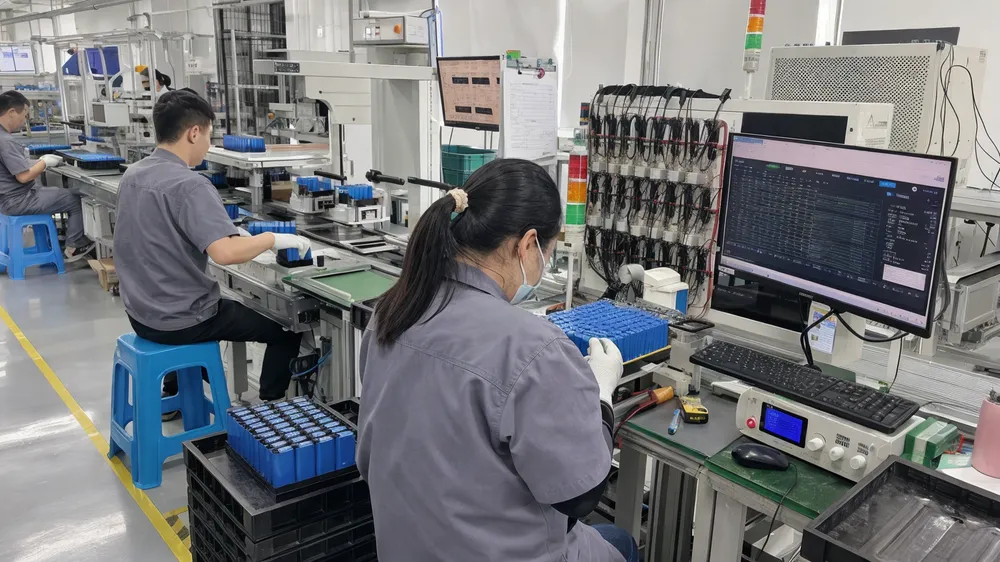
Cell Matching, BMS Control, and Testing Before Shipment
This is where a solar battery storage manufacturer either earns or loses your trust — not in the sales conversation, but in what happens between raw cells arriving at our dock and finished packs reaching your warehouse.
Incoming Cell Inspection & Grading
Every cell batch gets tested for voltage consistency, internal resistance, and actual capacity before entering our sorting system. Cells outside our acceptance window go back to the supplier. We don't downgrade rejects into lower-tier products — they leave the building.
We've qualified three primary cell suppliers over the past five years and rotate allocation based on seasonal consistency data. Cell quality from the same supplier can drift between summer and winter production runs — we track this quarterly and adjust sourcing accordingly.
Automated Cell Sorting & Matching
Cells are grouped by measured capacity and internal resistance — within 20mV voltage deviation and 5mΩ resistance spread across a pack.
This is the step that determines whether your 500-unit batch holds consistent performance after 12 months in the field or starts showing capacity scatter that triggers warranty claims. Tight matching prevents thermal imbalance during cycling, which is the root cause of most premature LiFePO4 pack failures.
In-House BMS Design & Programming
We design and manufacture BMS boards internally rather than buying generic third-party modules. Protection parameters — over-charge voltage, over-discharge cutoff, current limits, temperature thresholds — are programmed to match the specific cell chemistry, pack configuration, and application duty cycle.
A 48V commercial rack unit running daily cycling gets different thresholds than a 12V backup battery that sits at float for weeks between discharge events.
Full Lifecycle Testing on Every Production Batch
Capacity verification, charge/discharge cycling, high-temperature soak at 55°C, low-temperature discharge at -20°C, vibration, and drop testing on sample basis. We run these on every batch, not just during initial type approval.
When a batch fails any checkpoint, production stops on that SKU until root cause is identified — not reworked and pushed through.
Independent QC Reporting
Our QC team reports directly to management, independent from production line supervisors. That separation matters when the pressure is on to ship.
OEM/ODM Storage Battery Programs Without Rebuilding Your Supply Chain
If you need solar battery storage with your brand, your specifications, or your inverter compatibility requirements, our 18-engineer R&D team handles the development cycle from specification through production validation.
What We Customize at the Category Level
Voltage & Capacity Configurations
Non-standard arrangements for specific inverter compatibility — 25.6V, 51.2V, custom Ah ratings
Enclosure Format
Wall-mount, rack, floor-standing, stackable, or project-specific housings
BMS Communication Protocol
RS485, CAN, Bluetooth — configured to match your target inverter or EMS platform
Label, Color & Branding
Your brand identity on our production line
Protection Parameters
Charge/discharge curves, temperature thresholds, and current limits matched to your application profile
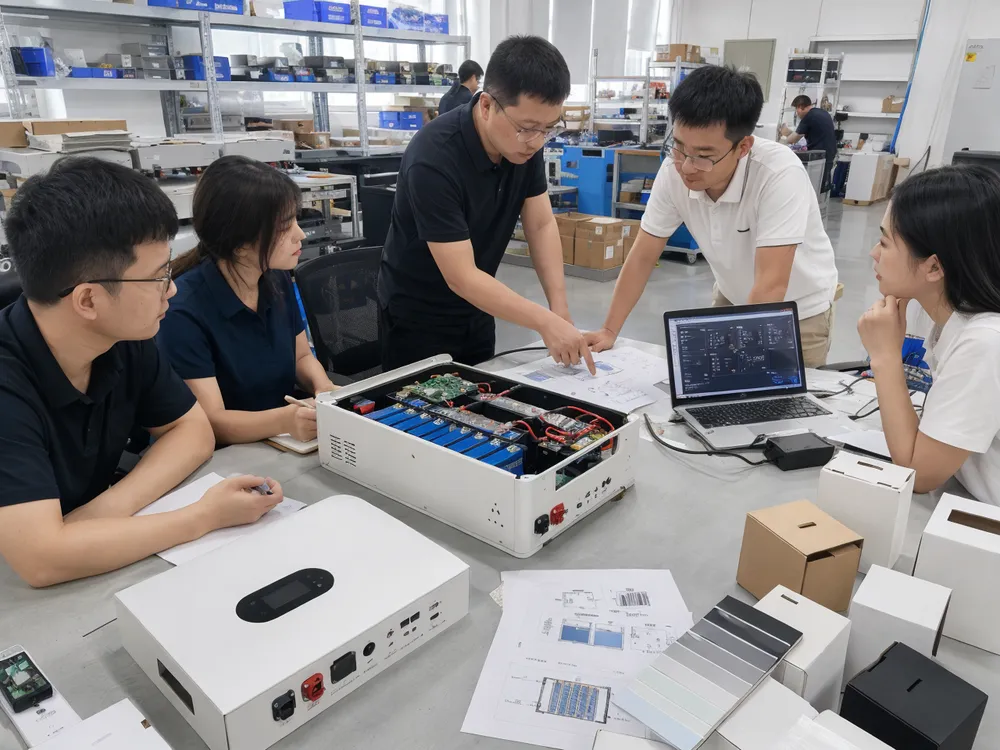
Private-Label vs. True ODM
A label swap on an existing model is straightforward — low MOQ, fast turnaround. A fully custom cell configuration with new BMS firmware, modified enclosure tooling, and specific inverter protocol matching requires engineering validation and higher minimum volume.
We'll tell you the threshold upfront so you can plan your landed cost accurately.
MOQ Structure
Standard models start at 100 units. Custom OEM configurations depend on complexity — a branding change on existing tooling runs lower than a ground-up ODM design. Either way, the MOQ is set to let you test a SKU with your market before committing to container volumes.
For distributors building a multi-SKU solar battery storage catalog, consolidating with one manufacturer means fewer supplier handoffs, consistent quality across your range, and simpler reorder logistics. Your margin stays protected because you're not paying a trading company's markup on top of factory cost.
Export Documentation, Packaging, and Landed-Cost Control
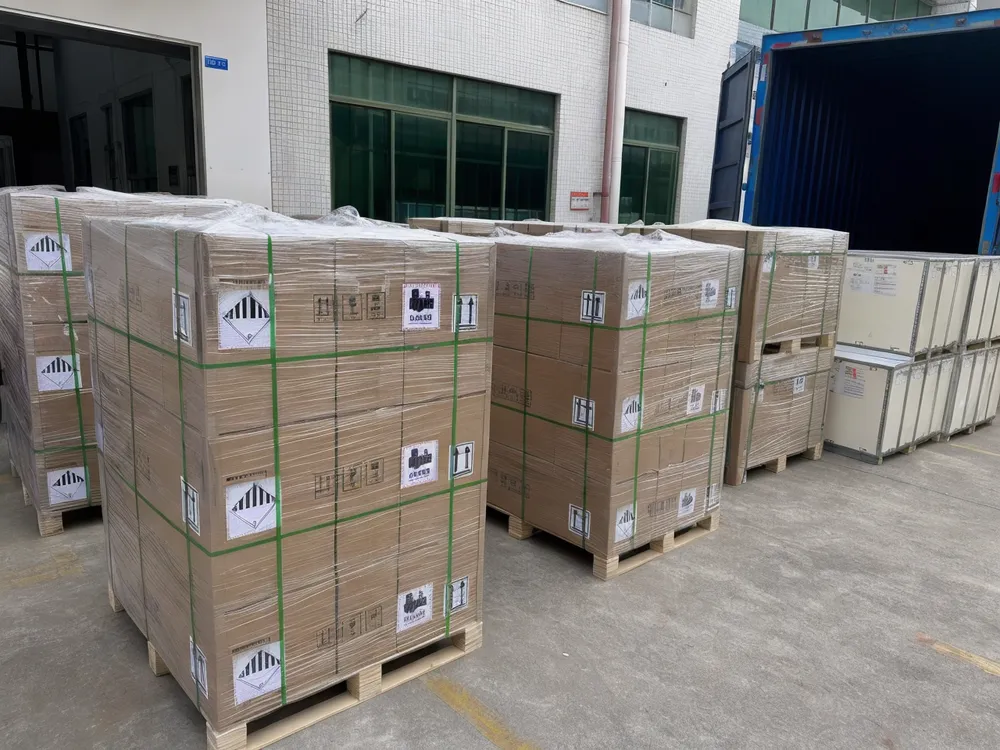
Batteries are classified dangerous goods for international freight. Your import process lives or dies on paperwork — missing a UN38.3 test summary or MSDS sheet means port delays, re-inspection fees, or rejected shipments. We've been shipping solar battery storage to five continents since 2012, and documentation readiness is built into our standard workflow, not treated as an afterthought.
Documentation We Maintain for Every Standard Model
UN38.3 Transport Test Summaries
Current, not expired — maintained and renewed on schedule for every active SKU.
MSDS (Material Safety Data Sheets)
Full material safety documentation formatted for customs and freight forwarder requirements.
CE Declarations of Conformity
Ready for European market entry without additional third-party testing delays.
IEC 62133 Test Reports
Cell and battery pack safety testing reports from accredited laboratories.
ISO 9001:2015 Certification
Manufacturing system certification covering production, QC, and traceability processes.
Shipping Declarations
Formatted for sea freight DG classification — ready for your freight forwarder on order confirmation.
Export Packaging
Batteries take abuse in transit — especially on routes with multiple handling points (port to inland truck to rural distribution in Africa, for example). Our packaging is engineered for real-world freight conditions, not warehouse-to-warehouse assumptions.
- Double-wall corrugated board cartons for structural integrity under stacking loads
- Foam-fitted inner packaging for individual cell protection against shock and vibration
- Palletized for forklift handling at destination — no manual unloading required
- Lithium packs carry required DG labels and handling marks per IATA/IMDG requirements
Landed-Cost Planning
Exact container loading quantities depend on battery format, capacity, carton dimensions, and palletization method. Rather than publishing generic numbers that won't match your actual order mix, we calculate loading plans per order.
How it works:
Send us your target SKU mix and destination market, and we'll provide realistic freight volume estimates alongside your quote — including container utilization, weight distribution, and per-unit landed cost projections.
Regional Shipping Experience
We ship regularly to Europe, Southeast Asia, Africa, South America, and the Middle East. Each region has taught us different packaging and documentation requirements.
Europe
Immaculate labeling consistency across reorders
Southeast Asia
Humidity-resistant packaging standards
Africa
Packaging that survives 500km of unpaved road after the port
South America
Multi-modal transit documentation
Middle East
High-temperature transit protection
Solar Battery Storage FAQ for Technical and Procurement Decisions
What voltage platform should you choose for solar battery storage: 12V, 24V, or 48V?
What voltage platform should you choose for solar battery storage: 12V, 24V, or 48V?
Match voltage to your inverter ecosystem, not to battery preference. 48V/51.2V is standard for European and Australian residential hybrid inverters and all commercial rack systems. 12V and 24V remain dominant in African and Southeast Asian off-grid markets where PWM controllers and basic MPPT units are the installed base.
If you're building a catalog for multiple regions, carry both — we produce 12V through 48V on separate lines, so mixed orders ship together.
Voltage Platform by Market
Europe, Australia — residential hybrid inverters, commercial rack systems
Africa, Southeast Asia — PWM controllers, basic MPPT off-grid installations
12V–48V produced on separate lines, consolidated shipping on mixed orders
LiFePO4 vs gel solar batteries: which chemistry fits wholesale storage programs?
LiFePO4 vs gel solar batteries: which chemistry fits wholesale storage programs?
LiFePO4 delivers 3,000–6,000 cycles at 80% DOD versus 500–1,500 cycles at 50% DOD for gel. For markets where customers cycle daily (residential self-consumption, commercial peak-shaving), lithium wins on total cost of ownership despite higher unit price.
LiFePO4 — Daily Cycling Markets
- 3,000–6,000 cycles at 80% DOD
- Residential self-consumption
- Commercial peak-shaving
- Lowest total cost of ownership over life
Gel — Float / Low-Cycle Markets
- 500–1,500 cycles at 50% DOD
- Pure backup applications
- Low-budget off-grid with minimal cycling
- Lower upfront cost, no BMS complexity
For markets where batteries sit at float most of the time (pure backup, low-budget off-grid with minimal cycling), gel still makes commercial sense — lower upfront cost, no BMS complexity, and your customers already know how to handle lead-acid. We manufacture both, so your chemistry mix can shift with market demand without changing suppliers.
What causes solar battery storage packs to fail early in the field?
What causes solar battery storage packs to fail early in the field?
Three root causes account for most warranty claims we see across the industry:
Poor Cell Matching
Cells drift apart in capacity over cycling, creating thermal imbalance that accelerates degradation across the entire pack.
Generic BMS Thresholds
A BMS programmed with thresholds that don't match the actual duty cycle — for example, a backup battery programmed like a daily-cycling unit — will over-discharge and degrade prematurely.
Inverter Communication Mismatch
The BMS reports state-of-charge incorrectly to the inverter, causing over-charge or deep discharge events the protection should have prevented.
How EVANBattery Addresses All Three
Our automated cell sorting, application-specific BMS programming, and inverter protocol configuration address all three root causes — reducing field failures and warranty exposure for distributors and integrators.
What certifications are typically required for importing solar battery storage?
Minimum for most markets: UN38.3 (transport safety), MSDS (material safety), and CE (European market access). IEC 62133 covers battery safety testing and is increasingly required by European importers and some Southeast Asian markets.
Some regions require additional local certifications:
- Australia — CEC approval for grid-connected systems
- South Africa — NRCS
- Parts of the Middle East — SASO
We maintain UN38.3, MSDS, CE, and IEC 62133 for our standard catalog. For market-specific certifications, our engineering team supports the application process with test samples and technical data.
How should you size home solar battery storage for distributor catalogs?
Start with your market's typical daily consumption and backup duration expectations.
Europe
5–10 kWh covers most residential self-consumption programs
African Off-Grid Markets
2–5 kWh handles basic lighting and device charging
Rather than stocking every possible capacity, most successful distributors carry 2–3 SKUs that cover 80% of installer requests:
Small Backup Unit
3–5 kWh
Mid-Range Daily Cycling Pack
5–10 kWh
Larger Whole-Home System
10–15 kWh
We can help you define that starter mix based on what's moving in your region.
When does commercial solar battery storage need rack-mounted or containerized design?
Rack-mounted 48V/51.2V modules fit most commercial installations up to approximately 100–200kWh — they install in standard server cabinets, scale by adding modules, and communicate with commercial inverters via CAN or RS485. Beyond that capacity, or when the site lacks a dedicated battery room, containerized storage makes more sense: pre-wired, thermally managed, and delivered as a complete unit.
The decision point is usually site infrastructure — if there's an existing electrical room with rack space, go modular. If you're deploying to an open site or need rapid commissioning, container wins.
Explore container solar battery storage
What MOQ should new buyers expect for standard and OEM storage batteries?
Standard catalog models: 100 units minimum. This is deliberately low for a factory running 2,000,000 units annually — we set it there because we know you need to test a SKU with your customers before committing to container volumes.
OEM/ODM configurations: MOQ depends on engineering complexity. A branding change on existing tooling can run at similar volumes to standard. A custom cell configuration with new BMS firmware needs enough volume to justify validation. We quote the threshold upfront so there are no surprises.
Request a quote with your specifications