Gel Solar Battery Manufacturer
For distributors, solar project contractors, and OEM/ODM partners
Sealed lead-acid gel and AGM solar batteries in 12V, 24V, and 48V configurations — produced on dedicated lead-acid lines with 2,000,000-unit annual capacity
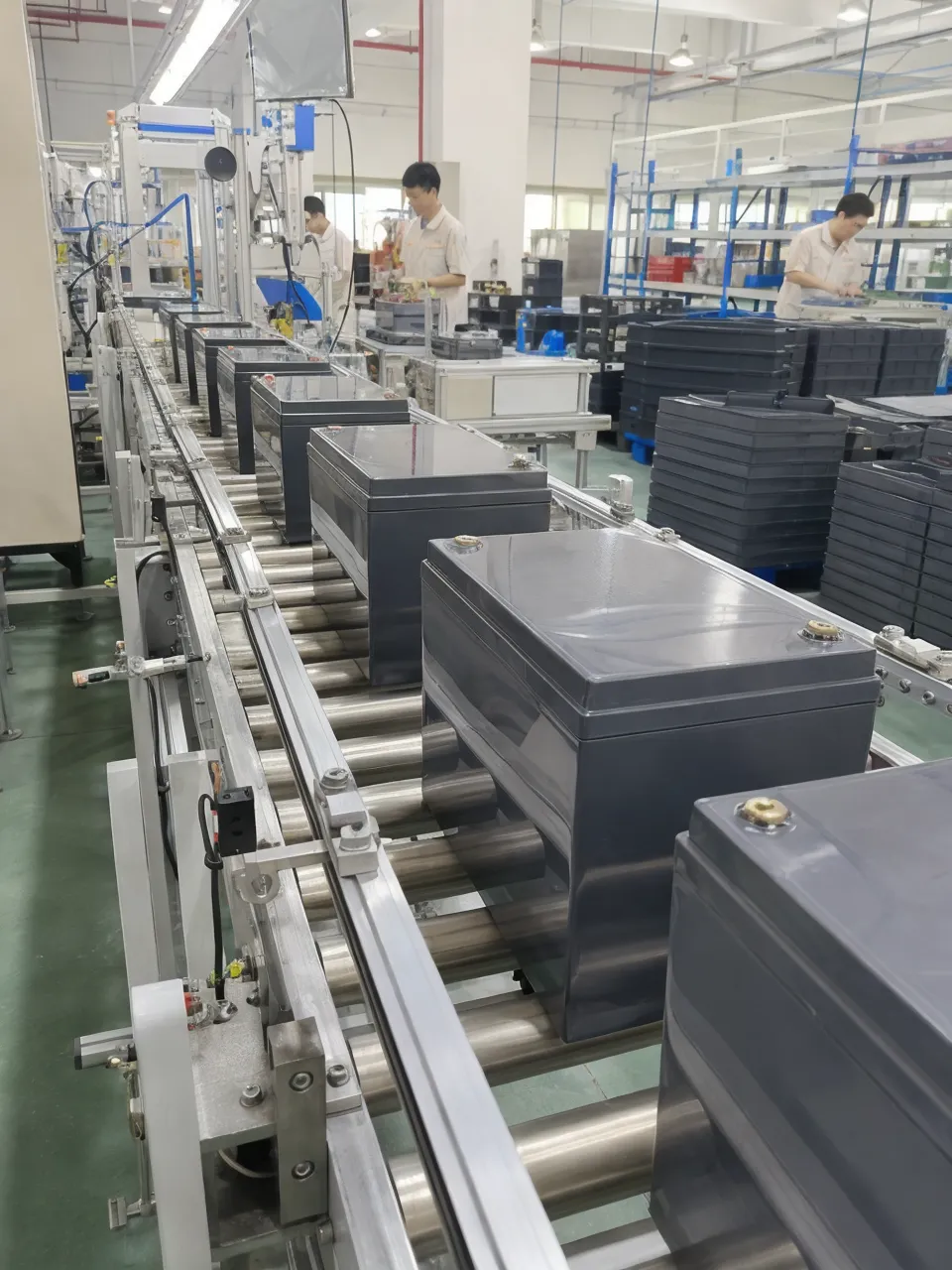
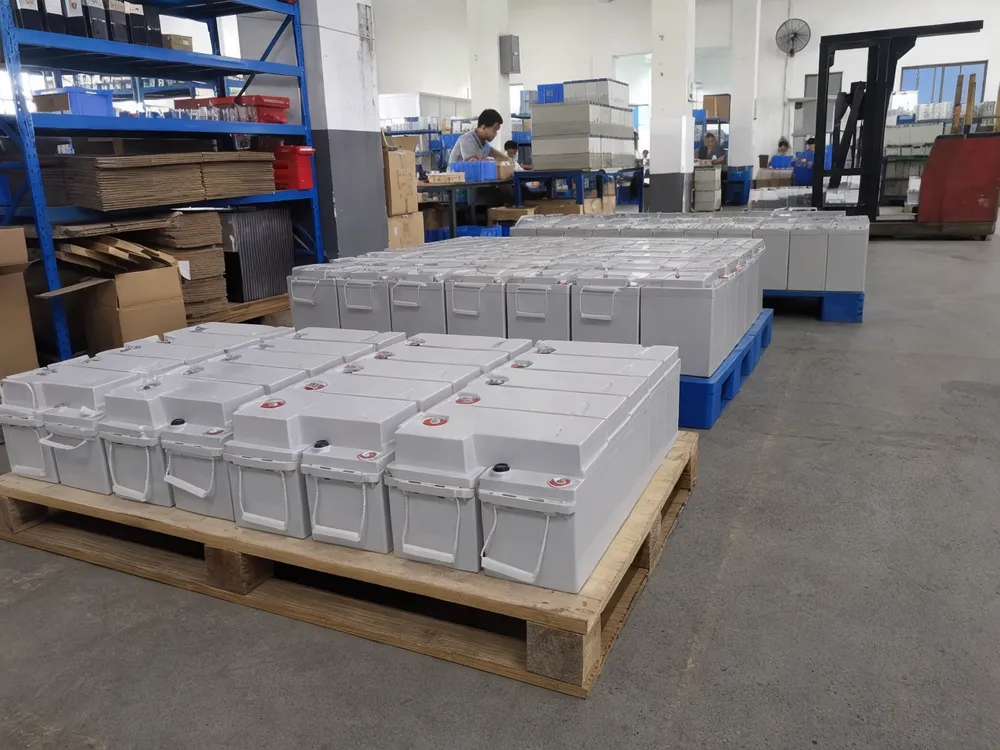
EVANBattery manufactures sealed gel solar batteries for off-grid storage, inverter backup, and solar home system programs. We are the export brand of Zhongshan Aiwen Import and Export Trading Co., Ltd., operating from a 9,900 m² facility in Zhongshan City, Guangdong Province with 6 production lines and 150 employees. Annual capacity reaches 2,000,000 battery units across both our lithium and lead-acid divisions.
Our gel solar battery line exists because lead-acid demand hasn't disappeared — it has consolidated. Distributors in Africa, Southeast Asia, and the Middle East still move thousands of sealed gel units monthly into solar home kits, inverter backup channels, and rural electrification projects. We've been supplying this segment since 2012, and the production infrastructure is mature enough to support repeat gel solar battery wholesale programs without lead-time surprises.
Learn more about our factoryFactory at a Glance
- Company
- Zhongshan Aiwen Import and Export Trading Co., Ltd.
- Export Brand
- EVANBattery
- Location
- Zhongshan City, Guangdong Province
- Facility Size
- 9,900 m²
- Production Lines
- 6
- Employees
- 150
- Annual Capacity
- 2,000,000 units
- Divisions
- Lithium + Lead-Acid
- Export Markets
- Europe, Southeast Asia, Africa, South America, Middle East
Explore Our Gel Solar Battery Range
Sealed lead-acid gel and AGM configurations for wholesale distribution, solar project integration, and private-label programs.
12V Gel Solar Battery
Standard 12V sealed gel units for solar home systems, inverter backup, and small off-grid installations.
View rangeDeep Cycle Gel Solar Battery
High cycle-life gel batteries designed for daily deep discharge in solar energy storage applications.
View rangeAGM Solar Battery
Absorbed glass mat sealed batteries for higher discharge rates and hybrid solar-inverter configurations.
View rangeThree Lead-Acid Solar Battery Paths for Different Sales Channels
Under our gel solar battery category, we produce three product lines that cover different commercial channels. Each targets a distinct buyer need within the sealed lead-acid VRLA space:
12V Gel Solar Battery
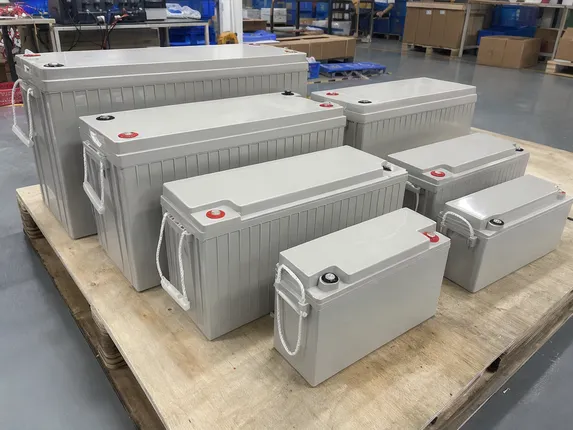
Your standard replacement and solar kit channel. 12V gel units in 50Ah through 250Ah serve the highest-volume segment: solar home systems, small inverter backup, and aftermarket replacement demand.
If you stock one gel SKU, this is where most reorders come from.
Deep Cycle Gel Solar Battery
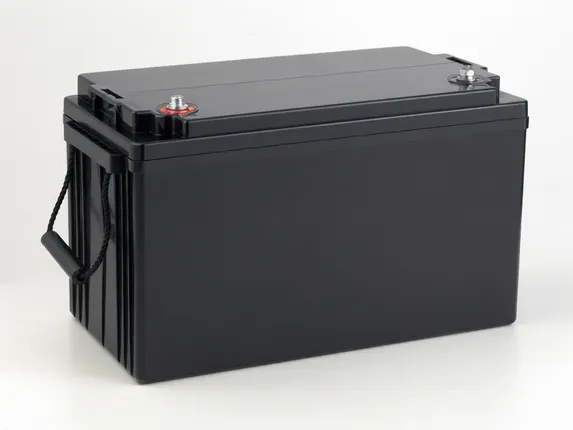
Heavier cycling duty for off-grid storage and inverter backup programs where daily depth of discharge exceeds 50%. Thicker plates, higher paste density, and cycle-life ratings designed for buyers selling into markets where the battery runs hard every night.
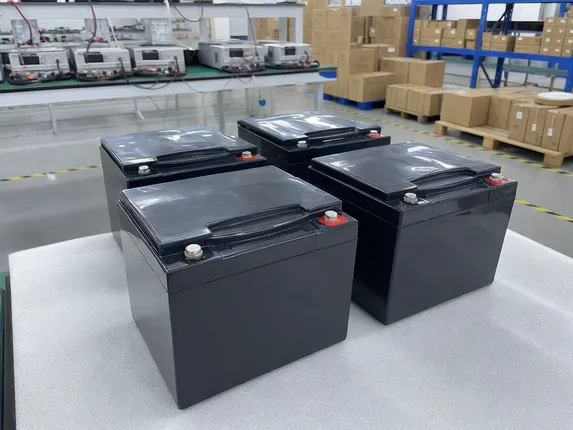
AGM Solar Battery
A related VRLA option for buyers comparing gel and AGM within one lead-acid procurement program. AGM suits shorter discharge cycles, standby backup, and price-sensitive channels where the lower unit cost matters more than deep-cycle endurance.
If you carry all three, your lead-acid catalog covers the full range of buyer requests without sending customers elsewhere.
Category-Level Specifications Buyers Should Confirm Before Quoting
Before requesting a gel solar battery quote, confirm these parameters against your market requirements. We produce across the ranges below — exact values depend on model selection and destination-market standards.
| Parameter | Available Range |
|---|---|
| Voltage | 12V, 6V (series-configurable to 24V/48V banks) |
| Capacity | 50Ah – 250Ah (12V gel); higher in deep-cycle variants |
| Chemistry | Gel (silica-immobilized electrolyte), AGM (absorbed glass mat) |
| Terminal Options | F2, F12, M6 bolt, M8 bolt, custom |
| Case Material | ABS (standard), flame-retardant ABS (optional) |
| Operating Temperature | -20°C to +55°C (discharge); 0°C to +45°C (charge) |
| Design Life | 8–12 years (float); 3–5 years (cycling at 50% DOD) |
| Certifications Available | CE, ISO 9001:2015, MSDS |
| Branding | Neutral, private label, or co-branded |
Buyer notes for each parameter
Voltage: Confirm inverter input voltage compatibility
Capacity: Match to system energy requirement and reorder frequency
Chemistry: Gel for heat tolerance and deep cycling; AGM for cost and standby
Terminal Options: Confirm connector compatibility with your cable harness
Case Material: Market-dependent: some regions require UL94 V-0 rating
Operating Temperature: Critical for tropical and desert deployment markets
Design Life: Affects your warranty positioning and replacement cycle revenue
Certifications: Confirm destination-market import requirements
Branding: Affects MOQ — see OEM section below
Series Configuration Note
If you're building 24V or 48V battery banks from 12V gel units, confirm the series configuration with our engineering team — mismatched internal resistance across units in a string is the most common cause of premature bank failure.
Send your voltage, capacity, quantity, and destination market to get started.
Gel, AGM, or Lithium: Protecting Margin by Matching the Market
The chemistry decision isn't technical preference — it's a commercial calculation. Your margin depends on matching the right battery type to what your market will actually pay for and maintain.
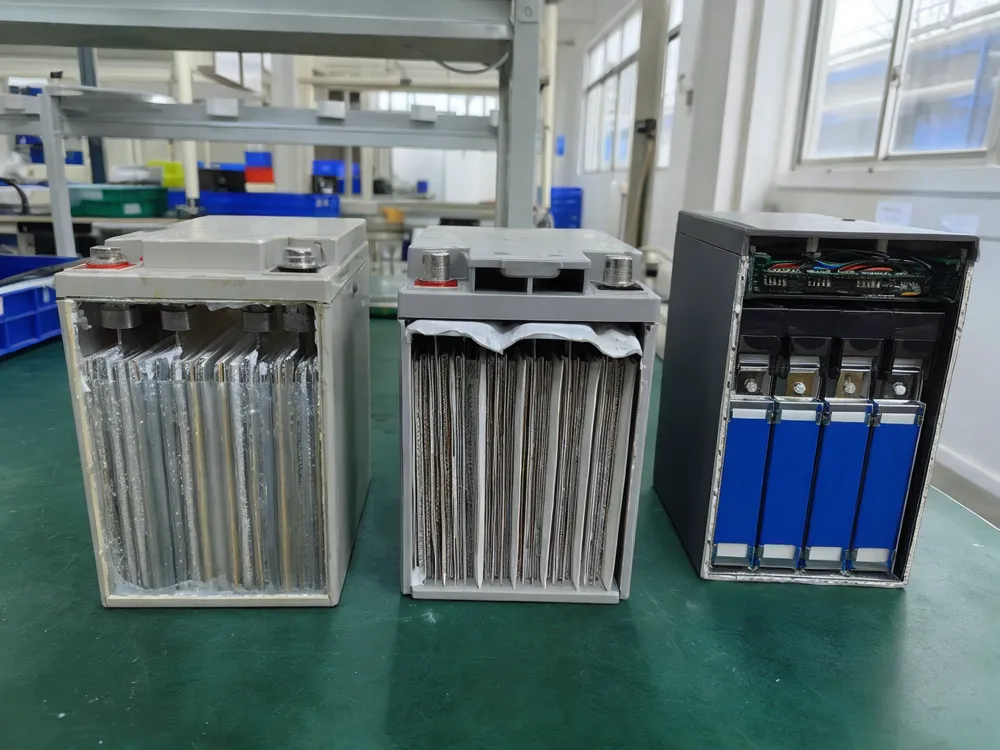
Choose Gel When
- Your market values sealed, maintenance-free lead-acid at a familiar price point
- Operating temperatures regularly exceed 35°C (gel's silica electrolyte handles heat better than AGM)
- Daily cycling reaches 50–80% DOD and buyers expect 3–5 year service life
- End users lack technical knowledge for lithium BMS management
- Your landed cost target sits below lithium but above commodity AGM
Choose AGM When
- Standby and light-cycling applications dominate (UPS backup, float-charge solar)
- Unit cost must be minimized and cycling duty stays below 40% DOD
- You need a broader VRLA lineup alongside gel without adding a separate supplier
Choose Lithium Solar Battery When
- Project budgets support 2–3× the unit cost of lead-acid
- Weight matters (lithium is roughly ⅓ the weight per kWh)
- Cycle life requirements exceed 2,000 cycles at 80% DOD
- The end application includes smart monitoring or inverter communication
| Decision Factor | Gel | AGM | Lithium (LiFePO4) |
|---|---|---|---|
| Landed cost per kWh | Low–medium | Lowest | High |
| Cycle life (80% DOD) | 400–600 cycles | 250–400 cycles | 3,000–6,000 cycles |
| Heat tolerance | Strong (up to 55°C) | Moderate | Requires BMS thermal management |
| Weight per kWh | Heavy | Heavy | Light (~⅓) |
| Maintenance | Zero | Zero | Zero (BMS-managed) |
| Customer familiarity | High in developing markets | High | Growing but still limited |
| Warranty risk to you | Predictable (known degradation curve) | Higher (shorter cycle life) | Lower per-cycle but higher per-unit cost if claim |
For gel solar battery wholesale programs, the commercial logic is straightforward: your customers already know lead-acid, your landed cost stays predictable, and your warranty exposure follows a well-understood degradation curve. We produce both chemistries under one roof, so if your market shifts, your supply chain doesn't need to.
Market Segments Where Gel Batteries Still Sell Well
Gel solar batteries aren't legacy technology waiting to be replaced — they're the practical choice in markets where lithium adoption is slower than the trade press suggests. Here's where our gel solar battery supplier programs generate repeat orders:
Off-Grid Solar Home System Distributors (Africa, Southeast Asia)
The 12V 100Ah and 12V 150Ah gel battery remains the default storage unit in solar home kits across Sub-Saharan Africa and rural Southeast Asia. Your customers buy these in bulk because the end user understands the product, installation is simple, and replacement demand is predictable. We've been shipping into this channel since 2012 — we know the carton reinforcement and palletization these markets require for overland logistics.
Inverter Backup and Replacement Channels
In markets with unstable grid power, gel batteries pair with modified sine and pure sine inverters for household and small commercial backup. The replacement cycle runs 2–4 years depending on usage, which means your repeat order cadence is built into the product's lifespan. Stock the 12V 100Ah and 12V 200Ah and you cover 80% of residential inverter backup demand.
Rural Electrification and Community Power Projects
Government and NGO-funded solar electrification programs still specify sealed lead-acid because of procurement familiarity, lower unit cost, and simpler logistics. These are tender-driven, volume orders — 500 to 5,000 units per project phase.
Telecom Tower Backup
Base stations in off-grid areas use gel battery banks for overnight backup. The cycling is moderate, the temperature range is harsh, and the replacement schedule is predictable. This segment has been steady for us — telecom operators replace on schedule regardless of economic cycles.
Price-Sensitive Replacement Markets
Anywhere lithium's upfront cost exceeds what the end buyer will pay, gel fills the gap. Your margin is thinner per unit but your volume is higher and your customer education cost is near zero.
Manufacturing Controls That Reduce Field Warranty Claims
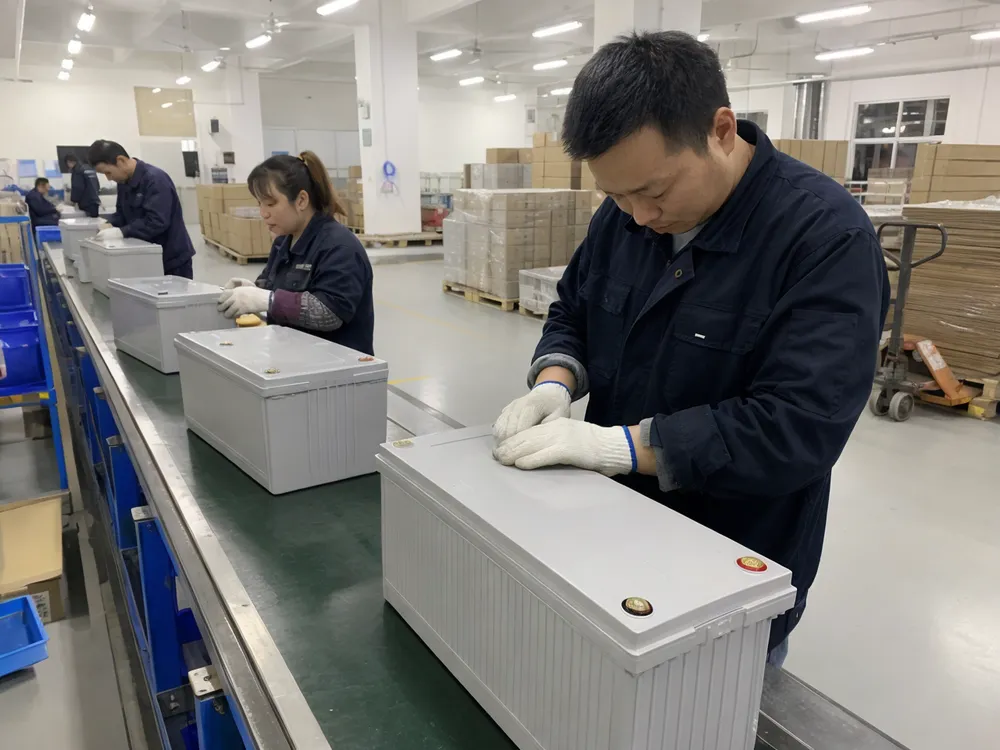
The most expensive gel battery isn't the one with the highest unit price — it's the one that comes back. We've been manufacturing lead-acid solar batteries since 2012, and the failure modes are well-documented. Here's what goes wrong and what we do about it on the production floor.
Capacity Drift Across a Batch
When plate casting isn't controlled tightly, individual cells within a production run vary in actual capacity by 5–10%. In a series-connected bank, the weakest cell limits the whole string.
Our Control
We run incoming lead alloy inspection and plate weight verification before assembly — every plate set is weighed and graded, not just spot-checked. The result is batch consistency tight enough that your field returns don't spike on specific production dates.
Premature Cycle-Life Failure from Poor Plate Curing
Gel batteries fail early when the plate curing process (temperature, humidity, duration) isn't held within tolerance. Under-cured plates shed active material within the first 100 cycles.
Our Control
We run a controlled curing chamber at fixed temperature and humidity profiles — not ambient warehouse curing, which is the shortcut that causes most early-life failures in cheap gel batteries. (We learned this the hard way in our first two years of production. The African off-grid market taught us fast because those batteries get cycled hard from day one.)
Heat-Related Swelling and Case Deformation
Gel batteries deployed in tropical climates swell when internal gas pressure exceeds the case's structural tolerance. This happens when the recombination efficiency drops — usually because the gel electrolyte wasn't mixed to the correct silica-to-acid ratio.
Our Control
We control gel mixing with calibrated dispensing equipment and verify specific gravity at multiple points during filling. Our ABS cases are injection-molded to consistent wall thickness, not blow-molded with variable thin spots.
Terminal Seal Leakage
Acid creep around terminal posts is a common field complaint. It corrodes connections and triggers customer returns.
Our Control
We use epoxy-sealed terminal bushings with torque-controlled insertion — the seal is mechanical plus chemical, not just a press-fit gasket.
Transport Damage
Lead-acid batteries are heavy. A 12V 200Ah gel unit weighs roughly 60 kg. Without proper internal bracing and carton engineering, units shift during container transit and crack cases or break terminals.
Our Control
Covered in detail in the export packaging and container planning section below — engineered carton bracing, pallet configuration, and weight distribution for ocean freight.
ISO 9001:2015 Certified Manufacturing
Our manufacturing system operates under ISO 9001:2015 — the framework that ensures these controls are documented, audited, and corrected when something drifts.
OEM/ODM Options for Private Label Gel Battery Programs
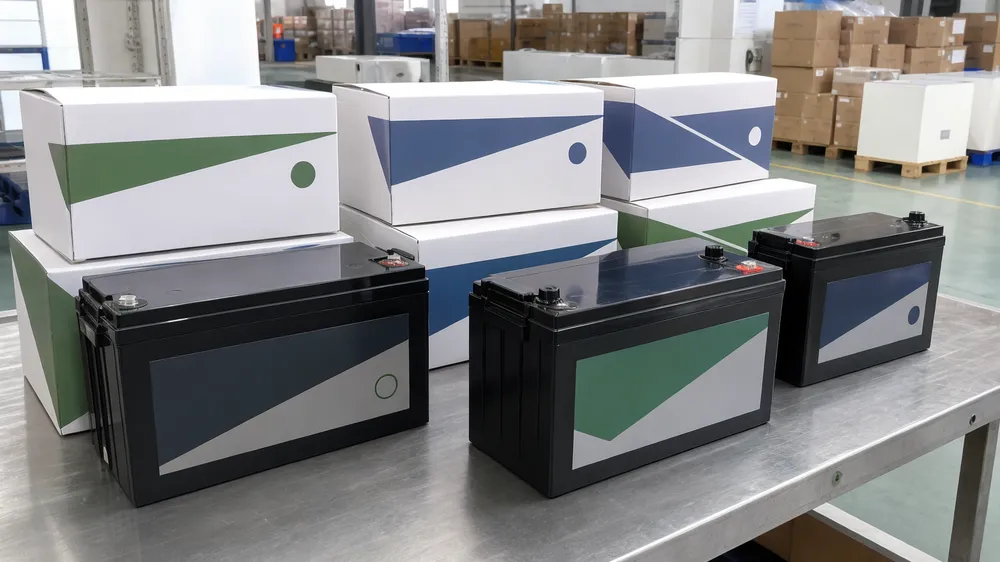
Most of our gel solar battery wholesale buyers eventually move to private-label supply. The economics make sense once your volume justifies consistent branding across your distribution network.
What We Customize at Category Level
Brand label and carton design (your logo, your model numbers, your color scheme)
Terminal type and orientation (match your market's dominant cable harness)
Case color (standard is black or dark grey; custom colors available above 500-unit MOQ)
Voltage and capacity mix within a single container shipment
Documentation package (branded test reports, warranty cards, installation guides in your language)
Market-specific SKU planning (we help you build a 3–5 SKU gel lineup that covers your channel without over-stocking)
MOQ Structure
Standard Models
Neutral labeling, stock configurations, immediate availability
Private Label
Your branding on an existing model — logo, model numbers, color scheme applied
Deep Custom Configurations
Non-standard capacity, modified terminal layout, custom BMS integration for hybrid gel-lithium programs — MOQ review based on tooling and validation scope
18-Engineer R&D Team
Our R&D team handles the configuration work. You don't need to provide engineering drawings — describe your market requirement and target price point, and we'll recommend the configuration that fits.
Explore Gel Battery Products
Export Packaging, Documentation, and Container Planning
Gel batteries are heavy, classified as non-spillable sealed lead-acid for transport, and your landed cost depends as much on container planning as on unit price. Here's how we handle the logistics side as a gel solar battery supplier shipping to five continents.
Packaging Engineering
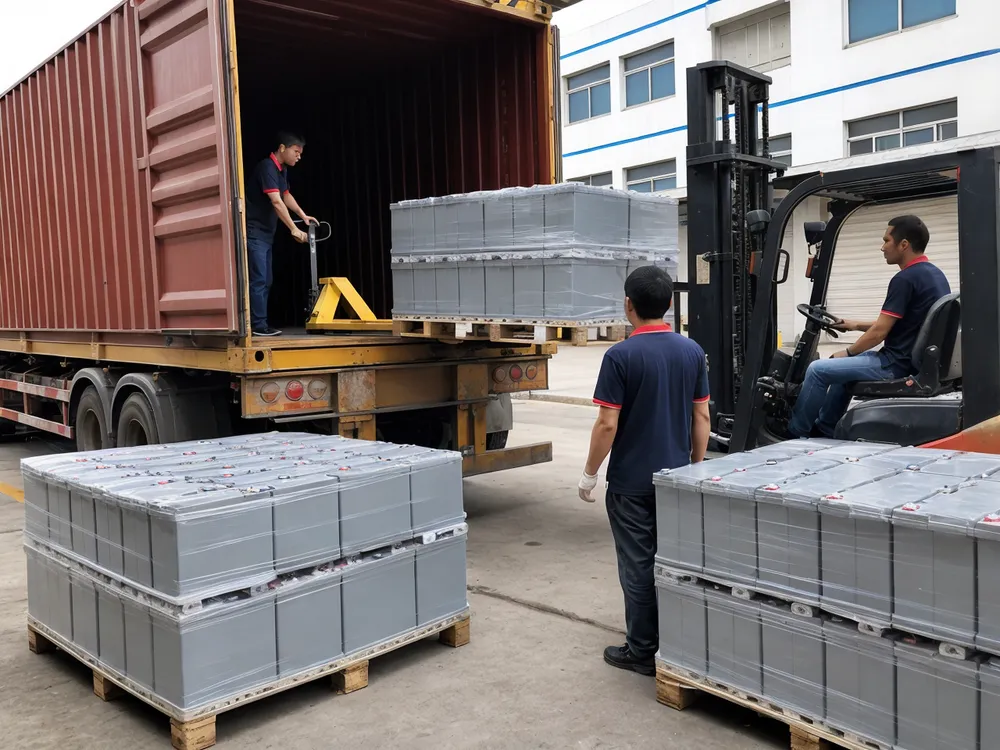
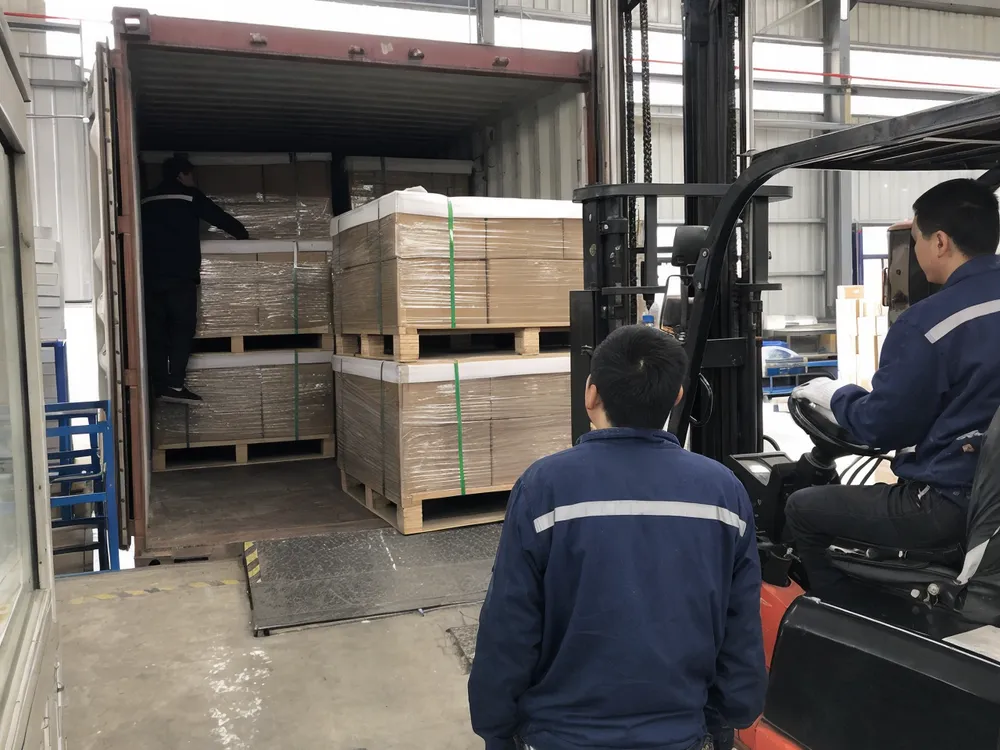
Each unit sits in a reinforced corrugated carton with molded foam inserts protecting terminals and case edges. Cartons are palletized with stretch wrap and corner protectors.
For markets with rough inland logistics (West Africa, rural Southeast Asia), we add an extra layer of internal cardboard bracing — this costs a few cents per unit but eliminates the cracked-case claims that eat your margin on arrival.
Weight Planning
A 20GP container holds approximately 20–24 metric tons depending on the port's weight limit. A pallet of 12V 100Ah gel batteries (typically 24–30 units per pallet) weighs roughly 800–900 kg.
We calculate your container plan before production so you know exactly how many units fit without exceeding axle weight limits or wasting cubic space.
Mixed-SKU Loading
If you order 12V 100Ah, 12V 150Ah, and 12V 200Ah in one shipment, we plan the pallet arrangement so heavier units sit at the bottom and lighter units stack above — basic physics, but it prevents crushing damage that happens when container loading is done without a plan.
Documentation for Customs Clearance
We provide complete documentation with every shipment:
- MSDS (Material Safety Data Sheet)
- CE Certificate
- ISO 9001:2015 Certificate
- Product Test Reports
Gel batteries classified as UN2800 (non-spillable) travel under simplified dangerous goods documentation compared to flooded lead-acid — your customs clearance is faster and your freight forwarder has fewer headaches.
Note: UN38.3 applies to lithium batteries specifically, not to sealed lead-acid gel. We mention this because buyers sometimes confuse the two requirements.
Destination-Market Support
We've shipped gel batteries to Europe, Southeast Asia, Africa, South America, and the Middle East. Each region has different labeling requirements, voltage preferences, and documentation expectations. Tell us your destination country and we'll confirm what paperwork you need before production starts.
Gel Solar Battery FAQ for Procurement Decisions
Answers to the questions distributors, importers, and project buyers ask most often when evaluating gel solar batteries for wholesale purchase.
Is a gel solar battery better than AGM for off-grid solar storage?
For daily cycling above 40% depth of discharge in warm climates, gel outperforms AGM on cycle life and heat tolerance. Gel's silica-immobilized electrolyte resists stratification and handles thermal stress better than AGM's glass mat separator.
If your market is tropical off-grid with nightly deep discharge, gel is the safer spec. If your market is standby backup with shallow cycling, AGM's lower cost makes more commercial sense.
We manufacture both — the choice depends on your end application, not on one being universally superior.
What capacity range should distributors stock for 12V gel solar batteries?
For most solar home system and inverter backup channels, 100Ah and 150Ah cover 70–80% of demand. The 100Ah is the volume mover — it pairs with 500W–1000W inverters and fits the budget of most residential end users. The 150Ah serves slightly larger systems and gives you a margin-friendly upsell.
Add a 200Ah if your market includes small commercial backup. Beyond 200Ah in a single 12V unit, most buyers shift to series-connected banks or move to 24V/48V configurations.
Can gel solar batteries be used in 24V or 48V battery banks?
Yes. Two 12V gel units in series make a 24V bank; four in series make 48V. The critical requirement is matching — all units in a string must come from the same production batch with matched internal resistance and capacity.
We can ship pre-matched sets specifically for bank configurations. If you're quoting a project that requires 24V or 48V gel banks, tell us the bank size and we'll ensure the units are sorted from the same batch run.
What causes gel solar batteries to fail early in hot climates?
Three primary failure modes in high-temperature environments:
- Accelerated grid corrosion — every 10°C above 25°C roughly halves float life
- Gel drying from excessive water loss through safety valves
- Case swelling from inadequate gas recombination
Prevention starts in manufacturing — correct lead-calcium alloy composition for grid corrosion resistance, precise gel electrolyte mixing for proper recombination efficiency, and ABS case design with adequate structural rigidity.
On the deployment side, advise your customers to keep batteries ventilated and avoid charging above 14.1V at temperatures exceeding 35°C.
View our deep cycle gel solar battery for high-temperature cycling duty
What documents are needed to import gel or AGM solar batteries?
At minimum:
- MSDS (Material Safety Data Sheet)
- Product test report
- Commercial invoice with correct HS code and UN classification
Gel and AGM batteries ship as UN2800 (non-spillable batteries) under IMDG/IATA simplified provisions — no full dangerous goods declaration required for sea freight in most cases.
For EU markets, add CE declaration of conformity. Some African and Middle Eastern markets require additional pre-shipment inspection certificates (PVOC, SONCAP, etc.) — confirm your destination country's requirements and we'll prepare the documentation package before production.
What MOQ does EVANBattery support for gel solar battery wholesale orders?
100
Standard models
neutral labeling
200
Private-label orders
your branding
500+
Custom configurations
tooling review
Custom configurations (non-standard capacity, modified terminals, unique case dimensions) require MOQ review — typically 500+ units depending on tooling scope. We keep MOQ deliberately accessible because we know you need to test market response before committing to full container volumes.
Send Your Gel Battery Specs for Factory Quotation
Tell us what you need and where it's going. We'll respond with a technical recommendation and pricing.
Our engineering team reviews every inquiry and responds with a configuration recommendation — not just a price sheet. If your spec doesn't match what we'd recommend for your stated application, we'll tell you why and suggest the alternative.