

Off Grid Solar Battery Storage Built for Daily Deep-Cycle Duty
LiFePO4 and gel packs in 12V, 24V, and 48V configurations for homes without reliable grid access. We manufacture the battery core for rural electrification programs, island residential projects, solar home kits, and weak-grid markets where the battery is the primary energy source, not a backup accessory.
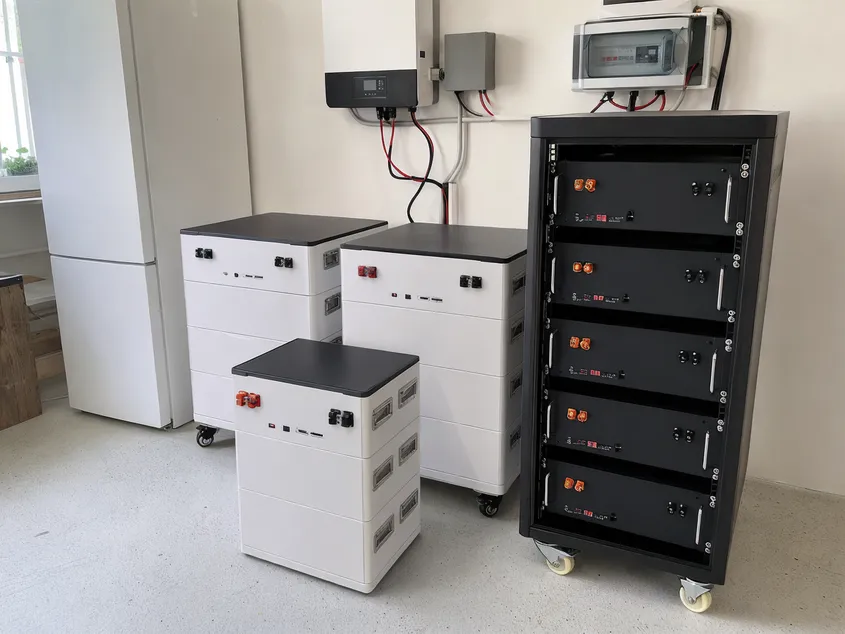
Where Off-Grid Storage Makes Commercial Sense
Off grid residential battery storage serves markets where the battery cycles daily at 80–90% depth of discharge — fundamentally different from backup systems that sit idle for months between outages. The commercial opportunity for you as a buyer is in segments where this daily-cycle demand creates repeatable, volume-driven order patterns.
Rural Household Electrification Programs
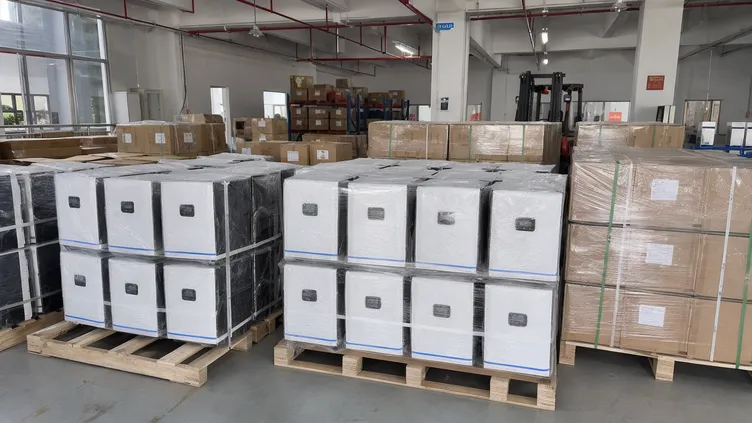
Government and NGO-funded electrification projects order in batches of 500–5,000 units per phase. The battery is the most failure-prone component in a solar home system, so your reputation as a supplier depends on consistent cycle life across the entire batch. One underperforming lot and you lose the next phase contract.
We match cells within 20mV/5mΩ tolerance specifically because batch consistency at this scale is what protects your program relationship.
Island and Remote Residential Markets
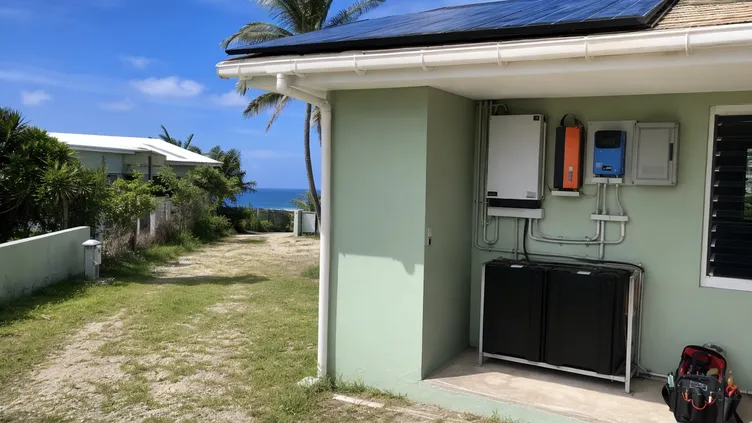
Higher landed cost per unit (freight, customs, last-mile logistics) means every warranty return costs you disproportionately. A $200 battery that fails on an island costs $400 to replace once you factor in reverse logistics.
Paying slightly more per unit for tighter cell matching and proper BMS protection thresholds is margin protection, not a premium — it's cheaper than the alternative.
Weak-Grid Residential Markets
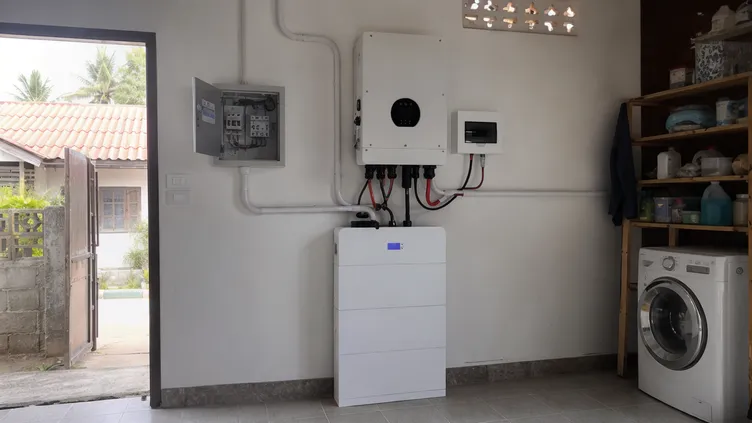
Parts of Southeast Asia, South America, and the Middle East have grid connections that fail daily or deliver unstable voltage. Homes in these markets need batteries that cycle daily but also handle irregular charging from both solar and intermittent grid.
This creates demand for flexible 24V/48V configurations with BMS that manages both solar MPPT and grid-charger input without conflict.
Solar Home Kit Assemblers
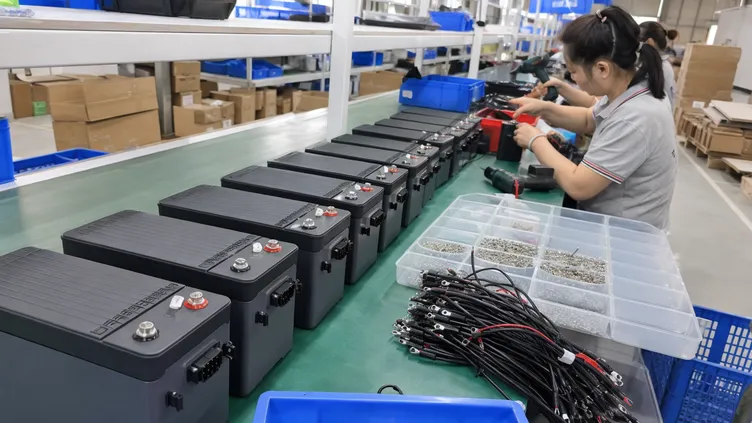
If you assemble and brand solar home kits, the battery is your highest-value component and your highest-risk component. You need consistent physical dimensions, terminal positions, wiring harness lengths, and BMS behavior across every batch — because your assembly line and your downstream documentation depend on repeatability.
We hold these parameters across reorders.
NGO and Government Procurement
Institutional buyers require batch traceability, test documentation per lot, and replacement planning data (expected cycle life at specified DoD). We provide lot-level test summaries and can structure documentation to match tender requirements.
Send us your project scope — target market, volume per phase, and voltage preference — and we'll quote accordingly. For buyers still comparing all residential storage routes, view the full home solar battery storage category.
12V, 24V, or 48V — Configuration Choices That Protect Landed Cost
Voltage selection is the first sourcing decision for off grid solar battery storage because it determines your inverter compatibility, cable sizing, and inventory strategy. Getting this wrong means either carrying mismatched stock or paying for field modifications your installers shouldn't need to make.
| Configuration | Typical Application | System Characteristics | Inventory Consideration |
|---|---|---|---|
| 12V / 12.8V LiFePO4 | Small solar home kits, DC lighting systems, entry-level off-grid | Low entry cost, simple wiring, direct DC load connection | Easy replacement stock, high unit volume, lower per-unit value |
| 24V / 25.6V LiFePO4 | Mid-size residential off-grid, 1–3 kW inverter systems | Better current handling than 12V at same power, fewer parallel strings | Good balance of cost and capability for growing markets |
| 48V / 51.2V LiFePO4 | Larger homes, 3–5+ kW inverter systems, premium off-grid residential | Lower current at same power, thinner cables, higher efficiency | Higher per-unit value, requires matching 48V inverter/MPPT ecosystem |
| 12V / 24V Gel | Budget off-grid markets, replacement for existing lead-acid installs | Familiar technology, lower upfront cost, tolerates partial-state charging better than flooded | Heavier per kWh, shorter cycle life, but established service networks in some regions |
How Voltage Choice Affects Your Business
Higher voltage reduces cable losses and allows smaller wire gauges — your installers spend less time and material on wiring. But it also means your customers need 48V-compatible inverters and charge controllers, which narrows the equipment ecosystem.
If your market is dominated by 24V hybrid inverters (common in parts of Africa and Southeast Asia), stocking 48V batteries creates a compatibility gap.
We produce all four configurations on the same production floor, so you can carry a mixed catalog without splitting orders across suppliers. Most of our off-grid distributors start with one voltage tier, validate demand, then expand.
Typical Progression
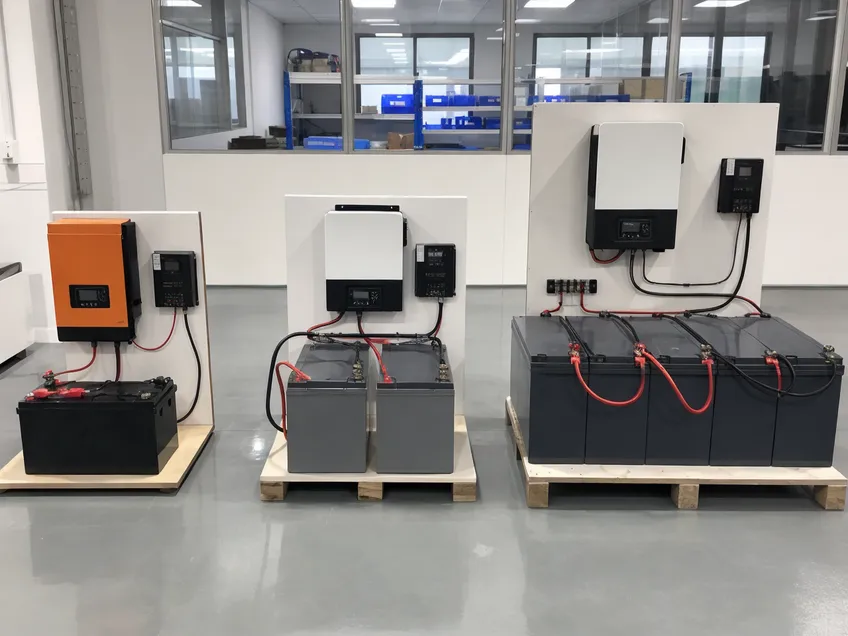
Not sure which voltage tier fits your market? Send us your top-selling inverter models. We'll tell you which battery configurations pair cleanly and which ones will generate field calls.
Send your load profile and inverter model — we'll recommend the configuration that minimizes your inventory risk.
Get Configuration RecommendationOff-Grid Battery Specification Table for Procurement Comparison
The table below covers typical specifications across our off grid solar battery storage range. These are planning-level values — exact parameters for your specific configuration are confirmed during the quotation process with a detailed data sheet.
LiFePO4 Off-Grid Specifications
| Parameter | 12.8V Range | 25.6V Range | 51.2V Range |
|---|---|---|---|
| Nominal Capacity | 50Ah – 200Ah | 50Ah – 200Ah | 100Ah – 280Ah |
| Usable Energy (80% DoD) | 0.51 – 2.05 kWh | 1.02 – 4.10 kWh | 4.10 – 11.47 kWh |
| Cycle Life (80% DoD) | 3,000 – 6,000 cycles | 3,000 – 6,000 cycles | 3,000 – 6,000 cycles |
| Recommended DoD | 80% daily, 90% max | 80% daily, 90% max | 80% daily, 90% max |
| Charge Temperature | 0°C to 45°C | 0°C to 45°C | 0°C to 45°C |
| Discharge Temperature | -20°C to 55°C | -20°C to 55°C | -20°C to 55°C |
| Self-Discharge | <3% per month | <3% per month | <3% per month |
| BMS Protections | OVP, UVP, OCP, SCP, OTP, UTP, cell balancing | OVP, UVP, OCP, SCP, OTP, UTP, cell balancing | OVP, UVP, OCP, SCP, OTP, UTP, cell balancing |
| Communication Options | Bluetooth (optional) | RS485, Bluetooth | CAN, RS485, Bluetooth |
| Typical Weight | 6 – 26 kg | 12 – 52 kg | 40 – 120 kg |
Gel (VRLA) Off-Grid Specifications
| Parameter | 12V Range | 24V (2×12V) | 48V (4×12V) |
|---|---|---|---|
| Nominal Capacity | 50Ah – 250Ah | 50Ah – 250Ah | 100Ah – 250Ah |
| Usable Energy (50% DoD) | 0.30 – 1.50 kWh | 0.60 – 3.00 kWh | 2.40 – 6.00 kWh |
| Cycle Life (50% DoD) | 800 – 1,500 cycles | 800 – 1,500 cycles | 800 – 1,500 cycles |
| Recommended DoD | 50% daily, 60% max | 50% daily, 60% max | 50% daily, 60% max |
| Charge Temperature | -10°C to 40°C | -10°C to 40°C | -10°C to 40°C |
| Discharge Temperature | -20°C to 50°C | -20°C to 50°C | -20°C to 50°C |
| Self-Discharge | <5% per month | <5% per month | <5% per month |
| Maintenance | None (sealed) | None (sealed) | None (sealed) |
Certifications and Documentation
All off-grid models ship with:
Specifications shown are typical values for planning and procurement comparison. Exact specifications vary by model and configuration — contact us for detailed data sheets specific to your requirements.
Request Data SheetsDaily Deep-Cycle Failure Prevention in Off-Grid Markets
Off-grid batteries fail differently from backup batteries. A backup system might cycle 50 times per year; an off-grid system cycles 365 times. Every weakness in cell matching, BMS calibration, or thermal management compounds daily. Here's what we see fail in the field and what we do about it on the production floor.
Chronic Undercharging and Sulfation (Gel/AGM)
In cloudy seasons or during monsoon periods, solar panels can't fully recharge lead-acid batteries for days or weeks at a time. Chronic partial state of charge causes sulfation — permanent crystal formation on the plates that reduces capacity irreversibly.
Our Prevention Approach
We address this in two ways: our gel batteries use higher-purity electrolyte with improved charge acceptance at low current, and we provide charge-parameter guidance documents so your installers set MPPT absorption voltage and time correctly for the specific battery model. Most field sulfation failures trace back to incorrect charge settings, not defective batteries.
Deep Discharge Abuse in Lithium Packs
End users in off-grid homes don't monitor state of charge — they use power until the lights go off. Without proper BMS low-voltage cutoff, cells can discharge below safe limits, causing copper dissolution and internal short-circuit risk on the next charge cycle.
Our BMS Strategy
Our BMS enforces hard cutoff at the cell level (typically 2.5V per cell for LiFePO4), with a pre-warning at 2.8V that signals the inverter to reduce load. We set these thresholds conservatively because in off-grid applications, the user will push the battery to its limit every single night.
Cell Mismatch Under Daily Cycling
This is the failure mode that separates a 3-year battery from a 7-year battery. When cells within a pack have different internal resistances, the weaker cells heat more during discharge, degrade faster, and eventually limit the entire pack's capacity. Under daily cycling, this divergence accelerates — what might take 18 months to manifest in a backup system shows up in 6 months off-grid.
Our Sorting & Balancing Process
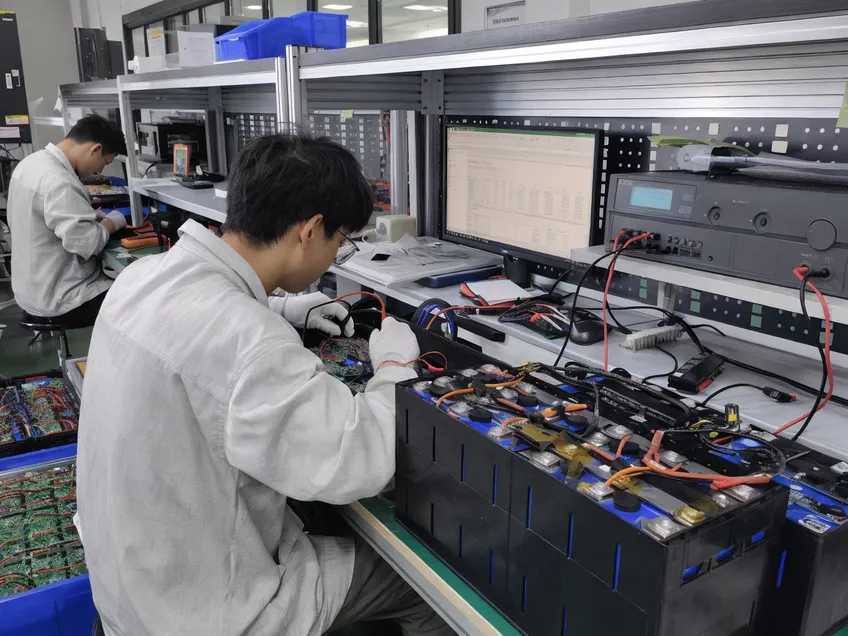
Our automated sorting holds cells within 20mV and 5mΩ before pack assembly. We also run active cell balancing in the BMS rather than passive-only, so minor drift during operation gets corrected continuously rather than accumulating.
High-Temperature Degradation
Batteries installed in tropical Africa, the Middle East, or equatorial Southeast Asia face ambient temperatures of 35-45°C routinely. At 45°C, lithium cell degradation rate roughly doubles compared to 25°C operation.
Graduated Thermal Response
Our BMS implements graduated thermal response: charge current reduces by 20% at 40°C, 50% at 45°C, and cuts off at 50°C. This keeps the battery operational in hot environments while protecting long-term capacity — a hard cutoff at 45°C would leave your customers without power on hot afternoons, which generates complaints. The graduated approach is a compromise we arrived at after shipping to West African markets for several years.
Terminal and Connection Failures
Loose terminals and undersized cables cause resistive heating at connection points. In off-grid systems drawing high current daily, this heating accelerates corrosion and can eventually cause arcing or fire.
Hardware Solutions
We use M8 stainless steel bolts on our larger packs (100Ah+) with specified torque values printed on the terminal cover. For solar home kit applications where end users may connect their own cables, we offer pre-terminated wiring harnesses that eliminate the loose-connection variable entirely.
Each of these prevention measures translates directly to fewer warranty claims and lower after-sales cost for you.
Learn more about our manufacturing and QC process, or discuss your specific market conditions with our engineering team.
LiFePO4 or Gel — Matching Chemistry to Market Budget and Warranty Risk
Chemistry selection is a commercial decision, not a technical preference. Both LiFePO4 and gel work in off-grid solar applications — the question is which one fits your market's price sensitivity, service infrastructure, and warranty expectations.
LiFePO4: Higher Upfront, Lower Lifetime Cost
LiFePO4 delivers 3,000–6,000 cycles at 80% DoD versus 800–1,500 cycles at 50% DoD for gel. In a daily-cycling off-grid application, that translates to 8–16 years of service life versus 2–4 years. The upfront cost per kWh is roughly 2–3× higher than gel, but the cost per delivered kWh over the battery's lifetime is significantly lower.
For your business, LiFePO4 means fewer replacement orders from the same customer — but higher initial order value and lower warranty exposure. If your market can absorb the upfront price (premium residential, well-funded electrification programs, markets where replacement logistics are expensive), LiFePO4 is the lower-risk choice for your brand reputation.
Gel: Lower Entry, Established Service Networks
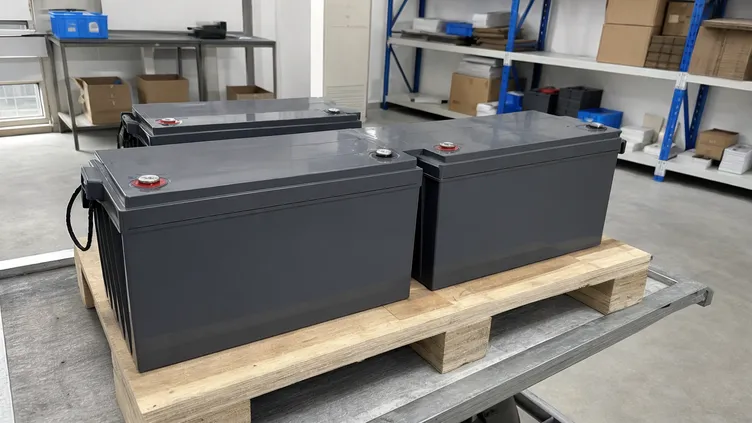
Gel batteries cost less per unit, weigh more per kWh, and need replacement sooner. But in markets where price sensitivity dominates purchasing decisions and local technicians already know how to handle lead-acid, gel remains the practical choice. Rural African solar home kit programs still run heavily on gel because the end-user price point needs to stay below a threshold that LiFePO4 can't yet reach at small capacities.
Gel also tolerates partial-state-of-charge operation slightly better than flooded lead-acid (though worse than LiFePO4), which matters in regions with inconsistent solar irradiance.
When to Carry Both Chemistries
Most of our off-grid distributors carry both. The split depends on market segment: LiFePO4 for 48V premium residential and project installations where total cost of ownership drives the decision, gel for 12V entry-level kits where first cost drives the sale.
If you're entering a new market, starting with gel at lower MOQ to establish channel relationships, then introducing LiFePO4 as your premium tier, is a pattern we've seen work repeatedly.
We run lithium and lead-acid on separate production lines with different QC protocols — so carrying both chemistries from us doesn't create the quality-control compromise you'd get from a factory that switches the same line between chemistries.
Typical Distributor Split
OEM/ODM Options for Off-Grid Battery Programs
Off-grid markets have specific customization needs that differ from grid-tied residential. Your end users operate in harsher environments, your installers may be less trained, and your logistics chain is longer. Here's what we can configure for off-grid programs specifically.
Customizable Parameters
Voltage & Capacity
Any cell arrangement from 12.8V 50Ah to 51.2V 280Ah, configured for your target system architecture.
BMS Protection Thresholds
Adjusted for off-grid duty cycles — deeper DoD allowance, wider temperature operating windows, graduated thermal response curves matched to your deployment climate.
Communication Protocol
CAN, RS485, Bluetooth, or dry-contact — programmed to match your target inverter/MPPT controller.
Terminals & Connectors
Anderson, MC4, bolt terminals, or custom wiring harnesses for kit assembly.
Enclosure
IP20 indoor, IP55 semi-outdoor, or IP65 fully outdoor rated. Custom dimensions for specific mounting or stacking requirements.
Branding
Your logo, color scheme, model numbers, regulatory labels, serial number format, and QR code linking to your own product registration system.
Packaging
Plain export carton, retail-ready box with your branding, or kit packaging that includes battery + harness + documentation in one box.
Inverter/MPPT Matching
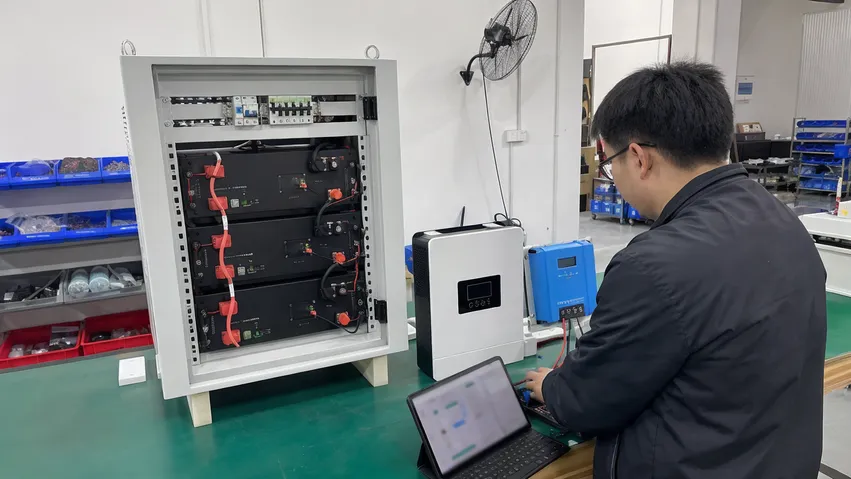
For off-grid systems, the battery must work with standalone inverters and MPPT charge controllers (not hybrid inverters that manage grid interaction). Common off-grid inverter brands — Victron, Studer, Schneider XW, Growatt SPF series, Must, Voltronic — each have specific communication requirements.
Tell us your target inverter and we'll pre-configure BMS parameters so the system commissions without field programming.
Compatible Off-Grid Inverter Brands
BMS communication pre-configured for each brand's protocol requirements. No field programming needed.
Supported Protocols
MOQ and Engineering Process
Standard off-grid models from our catalog: 100 units MOQ. For OEM/ODM configurations, the process follows:
MOQ Thresholds by Customization Scope
Your branding on existing model — fast turnaround
Modified protection thresholds, communication protocol changes
Custom dimensions, mounting, or stacking configuration
We don't promise unlimited customization at 100-unit MOQ — that's not realistic. But we're transparent about thresholds. We'll tell you exactly where your project falls before you commit.
Ready to Scope Your Off-Grid Program?
Describe your target market, inverter model, volume, and customization scope — we'll confirm what's feasible at your volume.
Export Documentation and Packaging for Remote Delivery
Off-grid markets typically involve longer, rougher logistics chains than urban residential installations. Your batteries may travel by sea container, then truck overland for hundreds of kilometers on unpaved roads, then sit in a warehouse without climate control. Documentation gaps or packaging failures at any point in this chain cost you money and time.
Compliance Documents We Ship With Every Order
| Document | What It Covers | Why You Need It |
|---|---|---|
| UN38.3 Test Summary | Lithium battery transport classification | Required by shipping lines and airlines; missing it means your container doesn't load |
| MSDS | Hazardous material handling data | Required by customs authorities and warehouse operators at destination |
| CE Declaration | EU market access for electrical equipment | Required for European import clearance and retail channel listing |
| IEC 62133 Test Report | Battery safety standard compliance | Required by many importers for product registration and insurance |
| ISO 9001:2015 Certificate | Factory quality management verification | Supports tender applications and institutional buyer due diligence |
We maintain current documentation for all standard models. For OEM/ODM configurations, new documentation is generated as part of the development cycle — you don't ship product without paperwork.
If your destination market requires additional local certification (SONCAP for Nigeria, PVOC for Kenya, BIS for India), our engineering team provides test samples and technical data packages to support your local application. We've navigated these processes for enough markets to know which labs and agents are efficient.
Packaging Engineered for Rough Logistics
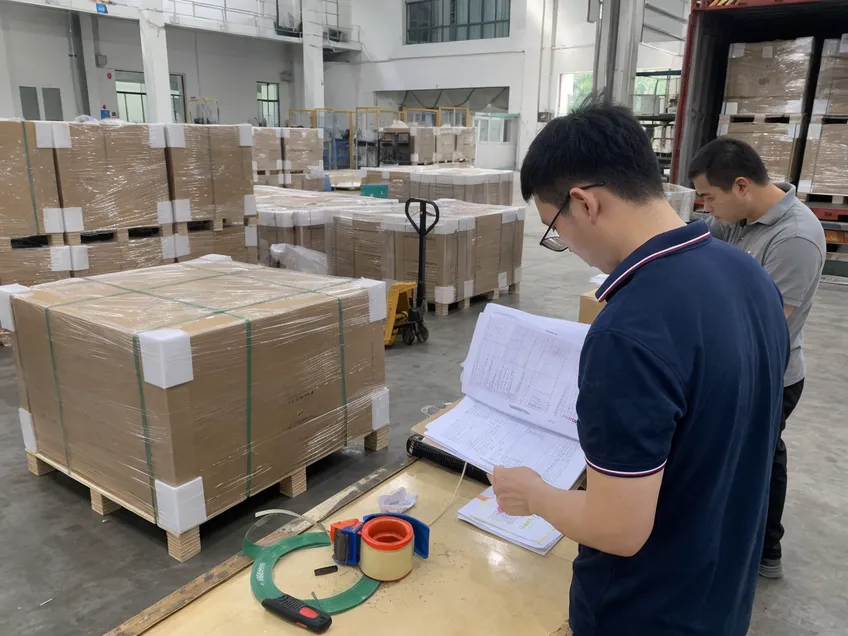
Standard export packaging: reinforced double-wall corrugated cartons, foam-in-place cushioning, individual terminal protection caps, desiccant packs, and palletization with stretch wrap. For off-grid markets with known rough-handling conditions, we add:
- Corner protectors on pallets
- Additional internal foam bracing
- Reinforced base boards for forklift handling on uneven surfaces
- Waterproof inner bags for humidity protection during extended warehouse storage
Container Loading Precision
Container loading quantities depend on your model mix — a 20GP of 12V 100Ah LiFePO4 loads very differently from a 20GP of 48V 200Ah floor-standing units. We provide exact pallet plans, loading diagrams, and gross weight/CBM figures in your quotation so you can calculate freight cost accurately before committing.
We don't publish generic "units per container" numbers because they're misleading. Your actual loading depends on model, packaging tier, and whether you're mixing SKUs in one container. We quote it precisely every time.
Choosing Between EVANBattery's Residential Storage Routes
Off grid solar battery storage is one of five product routes under our home solar battery storage category. If you're evaluating which route fits your market — or whether you need multiple routes in your catalog — here's how they differ:
Off Grid Solar Battery Storage
Choose when: Your market has no grid or unreliable grid; battery cycles daily as primary power source
Key difference: Daily deep-cycle duty, 12V/24V/48V flexibility, gel + LiFePO4 options
Home Solar Battery Backup
Choose when: Your market has grid but frequent outages; battery sits idle most of the time
Key difference: Infrequent cycling, fast switchover priority, 48V LiFePO4 focus
Learn moreWall Mounted Solar Battery
Choose when: Your market values slim aesthetics and space efficiency; grid-tied self-consumption
Key difference: Enclosure design priority, IP65, European/Australian residential focus
Learn moreHybrid Solar Battery
Choose when: Your market uses hybrid inverters for time-of-use arbitrage and grid interaction
Key difference: CAN/RS485 communication critical, inverter protocol matching, grid-tied operation
Learn moreSolar Panel and Battery Storage
Choose when: You sell complete kits rather than standalone batteries
Key difference: Bundled SKU packaging, kit documentation, panel-battery matching
Learn moreCarry Multiple Routes in One Container
Many distributors carry 2–3 routes simultaneously. Off-grid plus backup covers most residential markets. Adding wall-mount or hybrid extends into premium grid-tied segments. We can produce multiple routes in the same production run, so your container ships complete.
FAQ — Off-Grid Battery Sourcing Questions Buyers Actually Ask
What battery size is typical for off-grid residential storage?
What battery size is typical for off-grid residential storage?
It depends on daily energy consumption and desired autonomy days. A typical off-grid home consuming 3–5 kWh/day needs 6–10 kWh of usable battery capacity for one day of autonomy at 80% DoD (LiFePO4).
For two days of autonomy — standard recommendation for regions with variable solar — double that to 12–20 kWh.
In practice, most off-grid residential projects we supply land between:
- 5 kWh — small solar home kits with DC-only loads
- 15 kWh — full AC household with refrigerator, lighting, fans, and entertainment
Send us your target daily load and autonomy requirement — we'll recommend the specific configuration.
Is LiFePO4 better than gel for off-grid solar battery storage?
Is LiFePO4 better than gel for off-grid solar battery storage?
LiFePO4 delivers more usable energy per kg, deeper safe DoD (80–90% vs 50%), and 3–5× longer cycle life. For daily-cycling off-grid applications, LiFePO4 costs less per delivered kWh over its lifetime despite higher upfront price.
Gel makes sense when first cost must stay below a hard threshold (entry-level solar home kits in price-sensitive markets) or when local service networks are built around lead-acid handling.
Neither is universally better — the right choice depends on your market's price sensitivity and replacement logistics cost.
Should an off-grid home use 12V, 24V, or 48V battery storage?
Should an off-grid home use 12V, 24V, or 48V battery storage?
Match voltage to system size:
Small DC-only systems under 1 kW — lighting, phone charging, small fans.
1–3 kW systems with a small inverter for occasional AC loads.
3 kW+ systems running full AC households — lower current means thinner cables, less voltage drop, and better inverter efficiency.
Inventory tip: Your inventory decision should align with the inverter ecosystem dominant in your target market. If your customers already own 24V inverters, stocking 48V batteries creates a mismatch.
How many days of autonomy should buyers plan for rural off-grid projects?
Two days is the standard engineering recommendation for tropical regions with consistent solar. Three days for regions with extended cloudy seasons (monsoon climates, high-latitude winter). One day is acceptable only for markets with very consistent daily solar and where the end user accepts occasional low-battery periods.
More autonomy means more battery capacity, higher cost, and heavier logistics — so the right answer balances reliability expectations against your landed cost per system.
What causes early battery failure in off-grid solar systems?
The top five causes we see:
- Cell mismatch within the pack causing accelerated degradation of weaker cells
- Incorrect MPPT charge settings leading to chronic undercharging and sulfation in lead-acid or incomplete balancing in lithium
- Sustained high-temperature operation without BMS thermal management
- Deep discharge below safe cell voltage due to absent or poorly calibrated BMS cutoff
- Loose terminal connections causing resistive heating
All five are preventable at the manufacturing and commissioning stage — which is why BMS quality and installer documentation matter more in off-grid than in any other residential application.
What documents are needed to import lithium off-grid solar batteries?
Minimum: UN38.3 test summary (transport classification for lithium batteries), MSDS (material safety data for customs and warehousing), and a dangerous goods shipping declaration from your freight forwarder.
For EU markets: add CE declaration of conformity and IEC 62133 test report.
For specific African markets: SONCAP (Nigeria), PVOC (Kenya/Tanzania), or equivalent pre-shipment inspection certificates.
We provide UN38.3, MSDS, CE, and IEC 62133 for all standard models and generate new documentation for OEM/ODM configurations.
What is EVANBattery's MOQ for off-grid residential battery storage?
Standard models from our existing catalog: 100 units. This applies to any voltage and capacity configuration we already produce.
For OEM/ODM (custom branding, BMS parameters, enclosure, or cell configuration): MOQ depends on customization scope.
- Label/color changes: 100–200 units
- Custom BMS firmware: 500+ units
- New enclosure tooling: 1,000+ units
We confirm the exact threshold when you describe your requirements — no hidden minimums after you've invested time in specification.
Ready to specify your off-grid battery program?
Send your load profile, voltage preference, and target market — we'll return a detailed quote with documentation scope and lead time.
Explore More Home Solar Battery Storage
Home Solar Battery Backup
Grid-tied backup systems for residential reliability
ProductWall Mounted Solar Battery
Space-efficient wall-mount configurations
ProductHybrid Solar Battery
Grid-interactive hybrid storage solutions
ProductSolar Panel and Battery Storage
Integrated panel-plus-storage packages