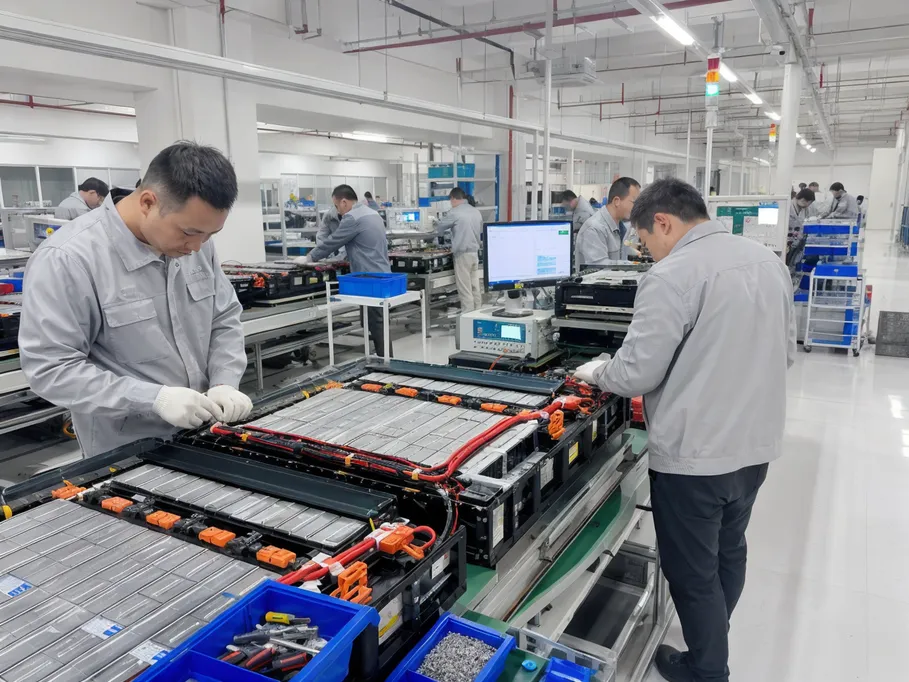
Solar Battery System Manufacturer
Battery packs and BMS integration for wholesale, project, and OEM/ODM supply programs.
Six system architectures under one factory roof. LiFePO4 and lead-acid, 12V through 51.2V, residential through commercial rack-mount — configured, tested, and export-documented from Zhongshan.
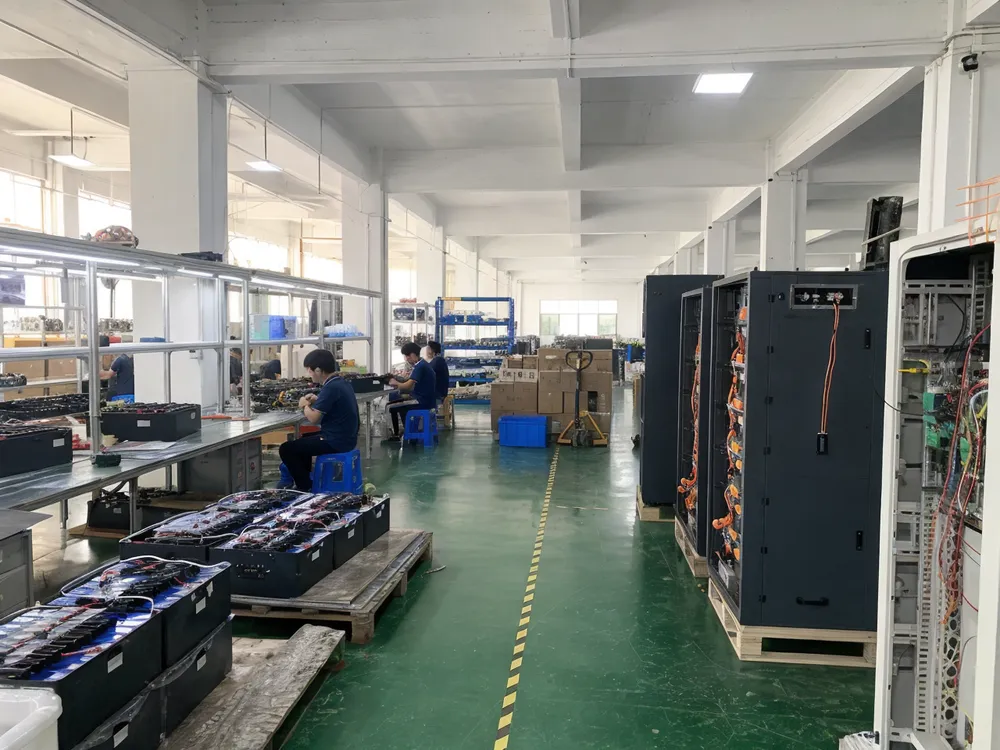
The Battery Side Is Our Entire Business
We manufacture solar battery systems — the battery pack, BMS, enclosure, and documentation package that sits between your customer's solar array and their load. We don't make panels, inverters, or racking. The battery side is our entire business, and it has been since 2012.
When you source a complete solar battery system from EVANBattery, you're buying from the factory that designs the BMS firmware, sorts the cells, assembles the packs, runs lifecycle testing, and prepares the UN38.3 paperwork. One facility, one quality system, one point of accountability for your supply chain. That matters when your third reorder needs to match your first shipment cell-for-cell.
We keep batch records going back to 2015 — traceability isn't a feature we added recently.
Factory at a Glance
- 9,900 m² facility in Guangdong province
- 6 dedicated production lines, 150 employees
- Annual capacity: 2,000,000 battery units
- 200 units for market testing to 20,000 units on quarterly programs
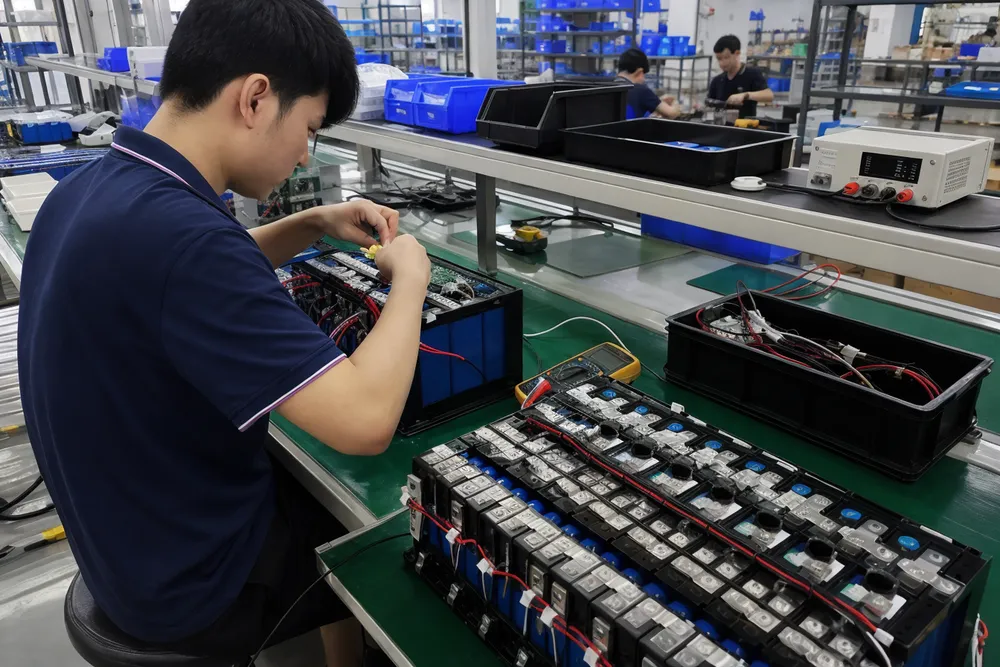
Solar Battery Systems We Manufacture
Explore our product categories — each architecture is purpose-built for a specific installation scenario and sales channel.
System Types You Can Source Under One Battery Factory Program
A complete solar battery system wholesale program works when your supplier covers the architectures your market actually buys. Here's what we produce under this category — each one engineered for a different inverter environment, installation format, and end-market price point.
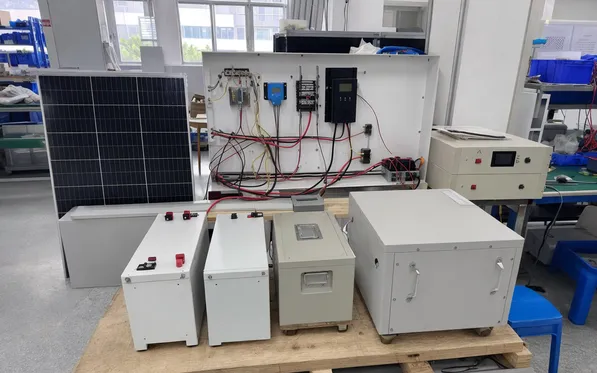
Off Grid Solar Battery System
Standalone battery packs for systems with no grid connection. 12V and 24V platforms dominate here — rural electrification, telecom towers, solar home systems.
Your buyers need deep-cycle reliability and simple BMS logic that works with PWM and basic MPPT controllers.
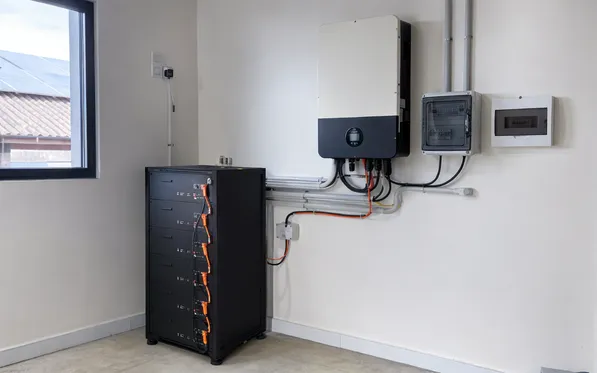
Hybrid Solar Battery System
Grid-tied battery systems that charge from both solar and mains. 48V and 51.2V LiFePO4 packs with CAN or RS485 communication for hybrid inverter integration.
This is the fastest-growing segment in Europe and parts of Southeast Asia — residential installers reorder monthly once they standardize on a compatible pack.
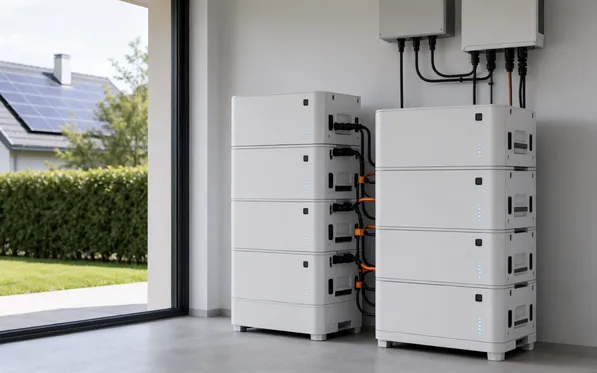
Stackable Solar Battery System
Modular units designed to parallel-connect for capacity expansion. Your customers start with one module and add more as their load grows.
The BMS handles inter-module balancing and communication. Strong fit for residential installers who want to offer a "start small, expand later" proposition without changing the base hardware.
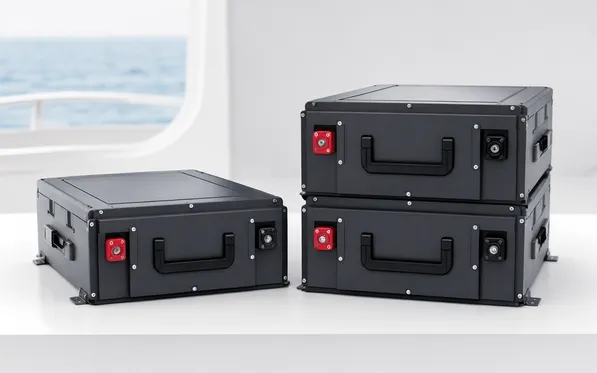
Solar Battery System for RV
Compact, vibration-rated LiFePO4 packs for mobile and recreational vehicle applications. 12V and 24V configurations with Bluetooth monitoring.
RV and marine distributors typically carry 2–3 capacity options and reorder seasonally — the MOQ structure supports that pattern.
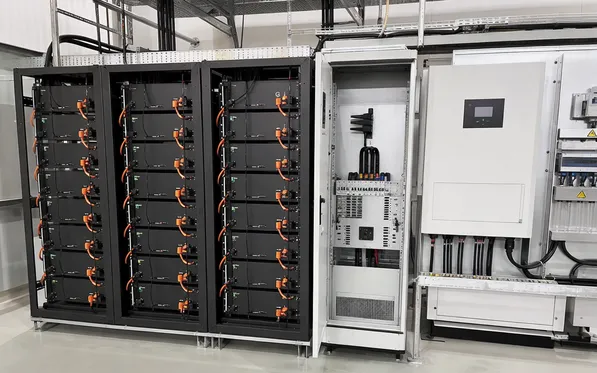
3 Phase Solar Battery System
High-capacity battery systems for commercial three-phase inverter environments. 48V/51.2V rack-mounted or cabinet-format packs, typically 100Ah–280Ah per module.
Your commercial project buyers need consistent module matching across multi-unit installations and documentation that satisfies building inspectors.
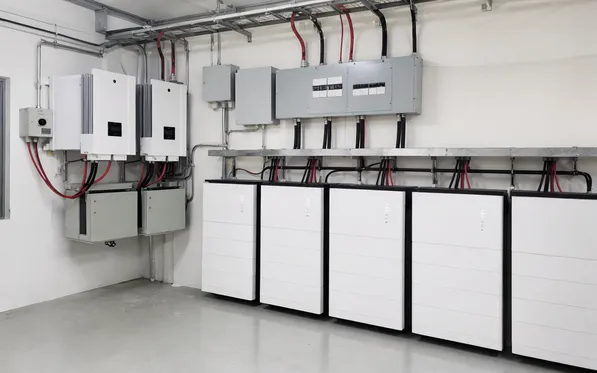
DC Coupled Solar Battery System
Battery systems designed for DC-coupled architectures where the charge controller feeds the battery directly without AC conversion.
Higher round-trip efficiency, simpler wiring, and compatibility with high-voltage MPPT controllers. Integrators and system designers source these for projects where conversion losses matter.
If you're building a catalog that covers residential through light commercial, the first four system types handle roughly 80% of what distributors in our export markets carry.
Voltage, Capacity, Chemistry, and BMS Ranges for Fast RFQ Screening
Before you send an inquiry, here's the category-level specification coverage. This tells you whether our production range matches your requirements — exact configurations are confirmed during the quotation stage.
| Parameter | Range / Options |
|---|---|
| Voltage platforms | 12V, 24V, 48V, 51.2V (custom voltages available for OEM) |
| Chemistry | LiFePO4 (lithium iron phosphate), Gel, AGM |
| Capacity — residential | 50Ah – 200Ah per module |
| Capacity — commercial | 100Ah – 280Ah per module, parallel-expandable |
| BMS protections | Over-charge, over-discharge, over-current, short-circuit, temperature (high/low) |
| Communication protocols | RS485, CAN bus, Bluetooth (model-dependent) |
| Cycle life — LiFePO4 | 3,000–6,000 cycles at 80% DOD (cell grade dependent) |
| Cycle life — Gel/AGM | 500–1,500 cycles at 50% DOD |
| Operating temperature | -20°C to 55°C (discharge), 0°C to 45°C (charge) |
| Certifications available | ISO 9001:2015, CE, IEC 62133, UN38.3, MSDS |
| Enclosure formats | Wall-mount, floor-standing, rack-mount (19"), stackable module, cabinet |
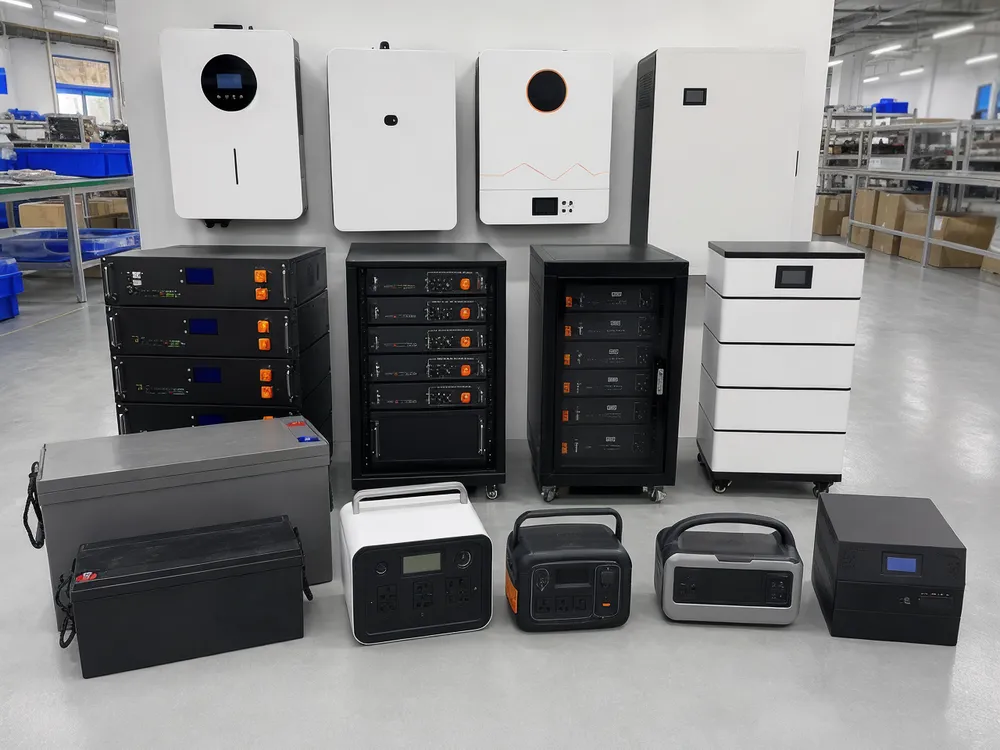
Chemistry Selection Guidance
We produce both LiFePO4 solar battery and gel/AGM solar battery configurations. The chemistry choice depends on your market's price sensitivity, cycle life requirements, and weight constraints — we'll recommend the right fit when you share your application details.
As a solar battery system supplier, we keep standard configurations in rolling production. Custom voltage or capacity outside the table above requires an engineering review, but we've delivered non-standard packs (25.6V, 38.4V, series-parallel hybrid configurations) for OEM partners with sufficient volume commitment.
Match the System Architecture to Your Sales Channel or Project Load
Choosing the right solar battery system architecture isn't a technical exercise in isolation — it's a commercial decision. The system type determines which inverters you're compatible with, which installers will buy from you, and how simple your reorder cycle becomes.
Off-Grid Markets
Africa, Rural Southeast Asia, Island Nations
Start with 12V and 24V off-grid systems. Your buyers use PWM or basic MPPT controllers, and they need batteries that tolerate irregular charge patterns and high ambient temperatures.
Gel and LiFePO4 both work here — gel for price-sensitive programs, LiFePO4 for buyers who can sell the longer cycle life.
Off-Grid SystemsResidential Installer Channel
Europe, Australia, Urban Southeast Asia
Hybrid systems on 48V/51.2V LiFePO4 are your core SKU. The key decision: which inverter brands dominate your territory? We configure BMS communication to match — Deye, Growatt, Goodwe, Victron, SMA protocols are all within our firmware library.
Getting this wrong means field callbacks. Getting it right means your installers standardize on your battery and reorder without re-evaluating.
Hybrid SystemsExpandable Residential Storage
Start Small, Scale to 20+ kWh
Stackable systems let your customers start at 5 kWh and scale to 20+ kWh without replacing hardware. The commercial advantage: higher initial close rate for your installers, plus expansion revenue on the same account.
Stackable SystemsRV / Marine / Mobile Power
Seasonal Ordering, Brand-Label Demand
Compact 12V/24V LiFePO4 with Bluetooth monitoring. Seasonal ordering patterns, 2-3 SKU depth, and brand-label demand are typical. Our 100-unit MOQ fits the test-and-reorder cycle these channels run.
RV SystemsCommercial Three-Phase Projects
10–50 Unit Installations
Rack-mounted 48V/51.2V modules in 100Ah-280Ah configurations. Your project buyers need module-to-module consistency across 10-50 unit installations, plus documentation packages for building permits and insurance sign-off.
3-Phase SystemsDC-Coupled System Integrators
High-Voltage MPPT Compatibility
These buyers specify exact charge voltage windows and expect the BMS to communicate with their high-voltage MPPT controllers. Technical pre-sales support matters here — we assign an engineer to review compatibility before production.
DC-Coupled SystemsNot sure which architecture fits your channel?
Tell us your target market and sales channel — we'll recommend the system architecture, chemistry, and voltage platform that matches your buyers' expectations and reorder patterns.
Cell Matching and BMS Control That Reduce Field Warranty Risk
A solar battery system manufacturer's real value shows up 18 months after delivery — when your batteries either hold consistent capacity across a 500-unit batch or start drifting apart and generating warranty claims. The difference is made on the production floor, not in the spec sheet.
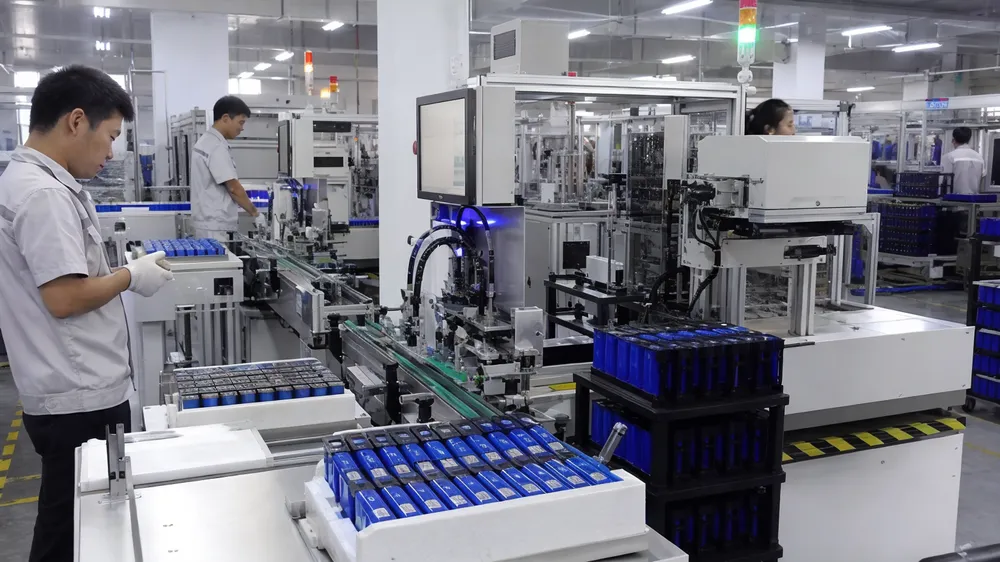
Incoming Cell Inspection and Grading
Every cell batch arrives with the supplier's datasheet. We don't trust it. Our incoming QC tests voltage, internal resistance, and actual capacity on a sample basis before the batch enters production.
Acceptance Window:
- ±20mV voltage spread
- ±5mΩ resistance spread
Cells outside this window get returned — not downgraded into lower-tier products. Mixing cell grades to save material cost creates exponentially more expensive field problems.
Automated Cell Sorting and Matching
Cells that pass incoming inspection go through automated sorting. The system groups cells by measured capacity and internal resistance into tight bins.
Key principle: A 16-cell 48V pack gets 16 cells from the same bin — not 16 cells that merely passed minimum spec.
This is the single most important step for long-term capacity consistency. When cells are mismatched, the weakest cell limits the pack, and thermal imbalance accelerates degradation across the entire string.
In-House BMS Design and Programming
We design and manufacture our BMS boards internally. Protection parameters are programmed to match the specific cell chemistry and system architecture in your pack.
Parameters Configured
- Over-charge voltage
- Over-discharge cutoff
- Balancing trigger threshold
- Temperature limits
- Communication protocol
Application-Specific
A 12V off-grid system gets different protection logic than a 51.2V hybrid system communicating with a Deye inverter.
Generic third-party BMS modules use approximated settings; ours are validated against the actual cells in your production batch.
Full Lifecycle Testing on Every Batch
We run these on production batches, not just during initial type approval. Your third reorder gets the same testing rigor as your first.
This process is why we can supply repeat programs where batch-to-batch consistency matters. Your field warranty exposure stays predictable because the production process controls variation before it reaches your warehouse.
OEM/ODM Configuration for Voltage, Capacity, Branding, and Inverter Compatibility
Our 18-engineer R&D team handles custom solar battery system development from specification through production validation. The scope covers both lithium and lead-acid technology.
Electrical Configuration
- Custom voltage: 12V, 24V, 25.6V, 48V, 51.2V, or non-standard
- Capacity per module
- Series/parallel cell arrangement
- Charge/discharge rate profiles
If your project requires a pack that doesn't exist in our standard catalog, we configure it.
BMS Parameters and Communication
- Protection thresholds matched to cell chemistry and duty cycle
- RS485, CAN bus, Bluetooth, or dry-contact protocols
- Configured for your target inverter or EMS platform
We maintain a firmware library covering major hybrid inverter brands; adding a new protocol takes engineering time but no hardware redesign.
Enclosure and Form Factor
- Wall-mount
- Floor-standing
- Stackable module
- 19" rack-mount
- Custom cabinet dimensions
Material options include powder-coated steel and aluminum depending on weight and thermal requirements.
Branding and Packaging
- Your brand on enclosure, labels, user manual, outer carton, and pallet wrap
- Color matching on powder coat or silk-screen printing
- Documentation package (datasheet, installation guide, warranty card) in your brand identity
MOQ Structure
Standard Models
Start at 100 units
OEM (Label + Color Changes)
Feasible at similar volumes on existing models
Fully Custom Electrical
New cell arrangement, BMS firmware, enclosure tooling — higher volume required; threshold quoted upfront
Timeline Expectations
Standard model orders ship from rolling production. Custom configurations add a development and validation cycle before mass production begins.
We provide a detailed timeline at quotation stage so your project planning stays realistic.
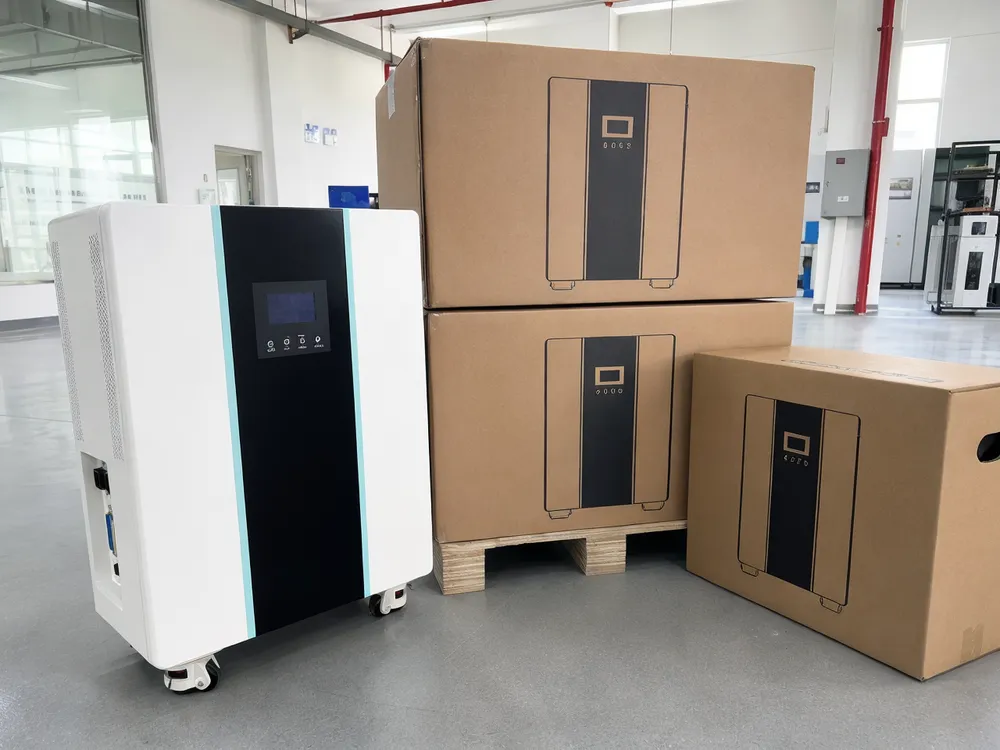
Ready to Configure Your System?
Send your system requirements — voltage, capacity, form factor, target inverter, and volume — and our R&D team will return a feasibility assessment with timeline and landed cost structure.
Send OEM/ODM RequirementsMarket Segments Where Solar Battery Systems Move in Repeat Volume
Every solar battery system architecture maps to a commercial channel. Here's where our export buyers are building repeat programs — framed as market segments you can evaluate for your own distribution or project business.
Off-Grid Rural Electrification & Telecom Backup
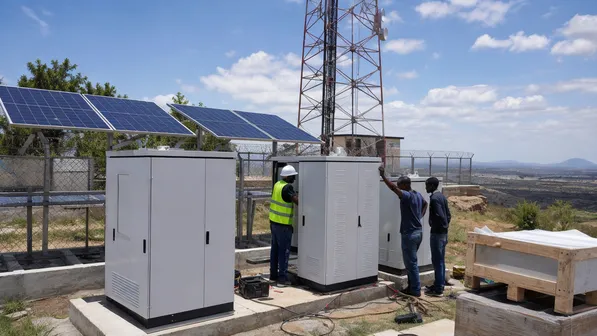
Government-funded solar home system programs, NGO deployments, and telecom tower backup across Africa and South Asia. Orders are project-based (500–5,000 units), with gel and LiFePO4 both in demand depending on budget allocation.
Repeat driver: Program extensions and new site rollouts.
Residential Hybrid Storage Installers
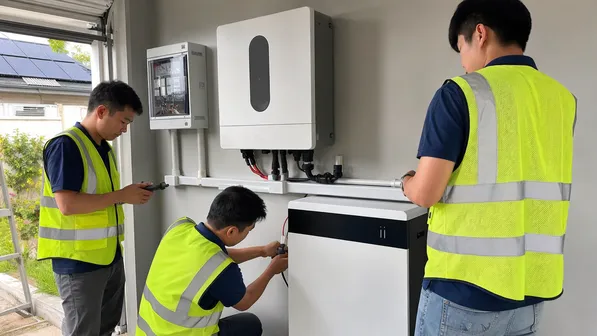
The core growth channel in Europe, Australia, and urban Southeast Asia. Installers standardize on one battery brand and reorder monthly. Your value proposition: consistent BMS-inverter compatibility across deliveries, so installation crews don't troubleshoot communication errors on site.
Key differentiator: This segment rewards supply reliability over lowest unit price.
Modular Residential Storage Resellers
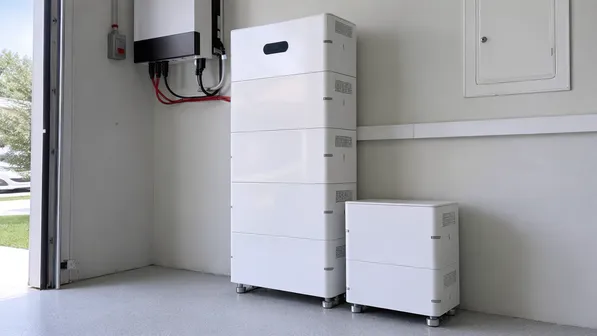
Distributors selling home solar battery storage through retail or e-commerce channels. Stackable systems with expansion capability drive higher average order value and repeat purchases from the same end customer.
Revenue model: SKU depth is typically 2–3 capacity tiers with upsell on expansion modules.
RV, Marine, and Mobile Power Distributors
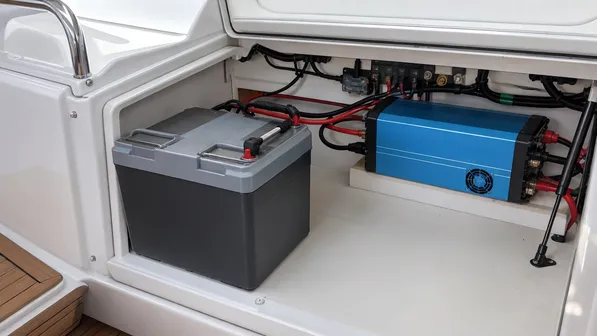
Seasonal ordering, brand-label demand, compact form factors. Margins are healthy because end users buy on features (Bluetooth monitoring, lightweight LiFePO4) rather than pure price. Low MOQ and fast reorder cycles fit this channel.
Margin note: End users buy on features, not pure price — healthy distributor margins.
Commercial Three-Phase Projects
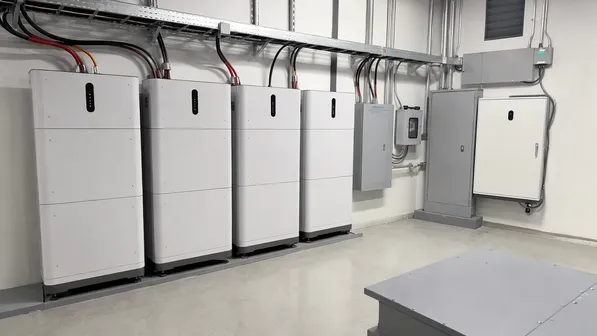
Contractors and EPCs sourcing solar battery storage for commercial buildings, factories, and public facilities. Orders are project-specific but often lead to framework agreements when the first installation performs well.
Key insight: Documentation and certification packages are as important as the hardware.
DC-Coupled System Integrators
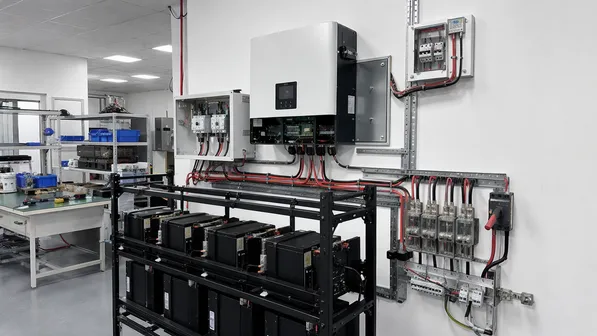
Technical buyers designing custom 48V solar battery architectures for specific efficiency targets. Lower volume per order, higher engineering involvement, and strong loyalty once compatibility is validated.
Retention driver: Strong loyalty once compatibility is validated — low churn channel.
Compliance, Packing, and Export Documents Before Your Shipment Leaves Zhongshan
Batteries are classified dangerous goods for international freight. Missing or incorrect documentation means port delays, rejected shipments, or carrier surcharges — problems that cost more than the paperwork would have.
Certifications & Test Reports We Maintain
| Document | Coverage | Purpose |
|---|---|---|
| ISO 9001:2015 | Manufacturing management system | Batch consistency, traceability, corrective action |
| CE | Product safety for European market | Market access, importer compliance |
| IEC 62133 | Secondary cell and battery safety | Safety performance validation |
| UN38.3 | Transport testing for lithium batteries | Required for air and sea freight classification |
| MSDS | Material safety data sheet | Shipping declaration, customs clearance |
Every standard model in our catalog has current UN38.3 test summaries and MSDS documentation ready to attach to your shipping documents. CE and IEC 62133 reports are available for your market registration files.
If your destination requires additional local certification (UL for North America, BIS for India, INMETRO for Brazil), our engineering team supports the application process with test samples and technical data packages. View our certification details.
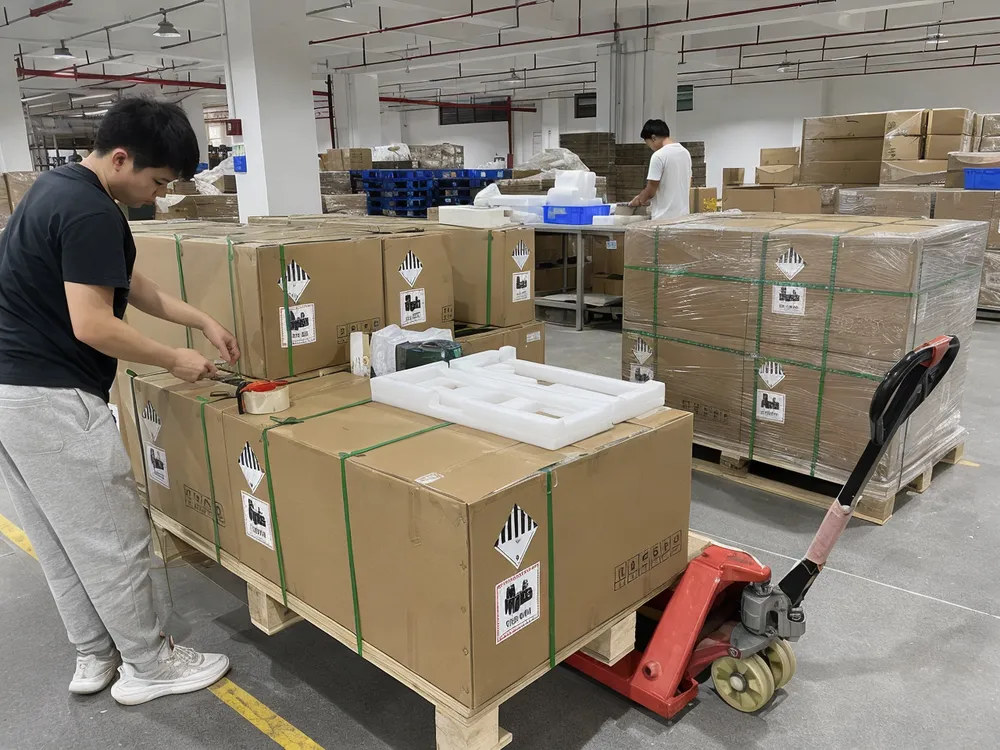
Packing & Palletization
Battery cartons are reinforced for stacking strength, with foam inserts sized to each model's dimensions. Palletization follows ISPM-15 standards for international wood pallet compliance. Lithium battery labels (Class 9 hazmat markings) are applied per IATA/IMDG requirements.
Container Loading
Exact loading quantities depend on your SKU mix, module dimensions, and destination port requirements. We provide a loading plan during the quotation stage once your model selection and quantities are confirmed — not a generic "X units per 20GP" claim that falls apart when actual dimensions are calculated.
(We've seen too many buyers get burned by suppliers quoting optimistic container numbers that don't account for pallet overhang or weight limits on mixed-chemistry shipments.)
Reinforced Cartons
Foam inserts sized per model
ISPM-15 Pallets
International wood compliance
Class 9 Hazmat Labels
IATA/IMDG compliant
Custom Loading Plan
Provided at quotation stage
Solar Battery System FAQ for Technical Sourcing Decisions
Answers to the configuration, compatibility, and logistics questions that come up during RFQ evaluation and program planning.
What voltage platform should a solar battery system use for residential vs. commercial projects?
Residential systems in most markets run on 48V or 51.2V — this matches the input range of mainstream hybrid inverters from Deye, Growatt, Goodwe, and Victron. Commercial three-phase systems also use 48V/51.2V modules but in parallel-connected rack configurations for higher total capacity. 12V and 24V platforms remain relevant for off-grid solar home systems and RV applications where the inverter environment is simpler. Your voltage choice should follow the inverter ecosystem your end market uses, not the other way around.
Off-grid vs. hybrid solar battery system: which architecture sells better for distribution programs?
It depends on your market's grid infrastructure. In regions with unreliable or absent grid (sub-Saharan Africa, rural South Asia, island nations), off-grid systems are the volume driver — simple, robust, and compatible with low-cost charge controllers. In markets with grid access but rising electricity costs or feed-in tariff incentives (Europe, Australia, urban Southeast Asia), hybrid systems dominate because they enable self-consumption optimization.
Most distributors covering both market types carry both architectures and let regional demand determine reorder ratios.
How does BMS communication protocol affect inverter compatibility?
The BMS communicates battery state (SOC, voltage, temperature, protection status) to the inverter via RS485, CAN bus, or proprietary protocols. If the communication protocol or data format doesn't match the inverter's expectations, the system either won't commission or will trigger nuisance protection shutdowns in the field.
We configure BMS firmware to match specific inverter brands during production — this is not a setting your installer should be adjusting on site. When you specify your target inverter during the RFQ stage, we validate compatibility before production begins.
What documents are needed to ship lithium solar battery systems internationally?
At minimum: UN38.3 test summary (proving the battery passed transport safety testing), MSDS (material safety data for customs and carrier classification), and proper Class 9 dangerous goods shipping declarations. For market access, you'll typically need CE (Europe), and potentially IEC 62133 test reports depending on your importer's requirements.
We maintain these documents for all standard models and can generate them for custom configurations after type testing. View our certification library.
How do automated cell sorting and aging tests reduce capacity drift across a batch?
Cell sorting groups cells by actual measured capacity and internal resistance — not the supplier's nominal rating. When all cells in a pack start at the same baseline, they age at similar rates under identical cycling conditions. Without sorting, the weakest cell limits pack capacity and creates thermal hotspots that accelerate degradation.
Aging testing (cycling new packs through several charge/discharge cycles before shipment) identifies any cells that show early-life dropout — these get caught before your container ships, not after your customer installs them.
What MOQ should buyers expect for standard and custom solar battery systems?
Standard models: 100 units. This covers any configuration already in our production catalog with existing tooling and validated BMS firmware.
Custom configurations: MOQ depends on engineering scope. A brand-label change on an existing model is feasible at 100–200 units. A new voltage/capacity configuration with custom BMS firmware typically requires 300–500+ units to justify the validation cycle. Fully new enclosure tooling pushes higher.
We quote exact MOQ at the RFQ stage based on your specific requirements. Send your specifications for a quote.
Send Your System Requirements for a Factory-Level Quote
Tell us what you need and we'll respond with a technical recommendation and pricing. The inputs that speed up your quote:
- System architecture: off-grid, hybrid, stackable, RV/mobile, three-phase, or DC-coupled
- Voltage and capacity: target platform and Ah/kWh per module
- Chemistry preference: LiFePO4, gel, AGM, or "recommend based on application"
- Inverter brand/model (if known): for BMS communication configuration
- Application market: residential, commercial, off-grid, mobile
- Quantity: initial order and estimated annual volume
- Branding: standard EVANBattery label or OEM/ODM with your brand
- Destination country: for certification and shipping documentation planning
We respond with a technical configuration recommendation, unit pricing at your volume tier, and a production timeline. No generic catalog PDF — you get a quote built around your actual program requirements.