

Hybrid Solar Battery System with In-House BMS
We supply the battery pack, BMS, and configuration support for grid-tied backup projects — LiFePO4, 48V/51.2V standard, custom voltage and capacity available.
100-unit MOQ · Shipping to 50+ countries since 2012
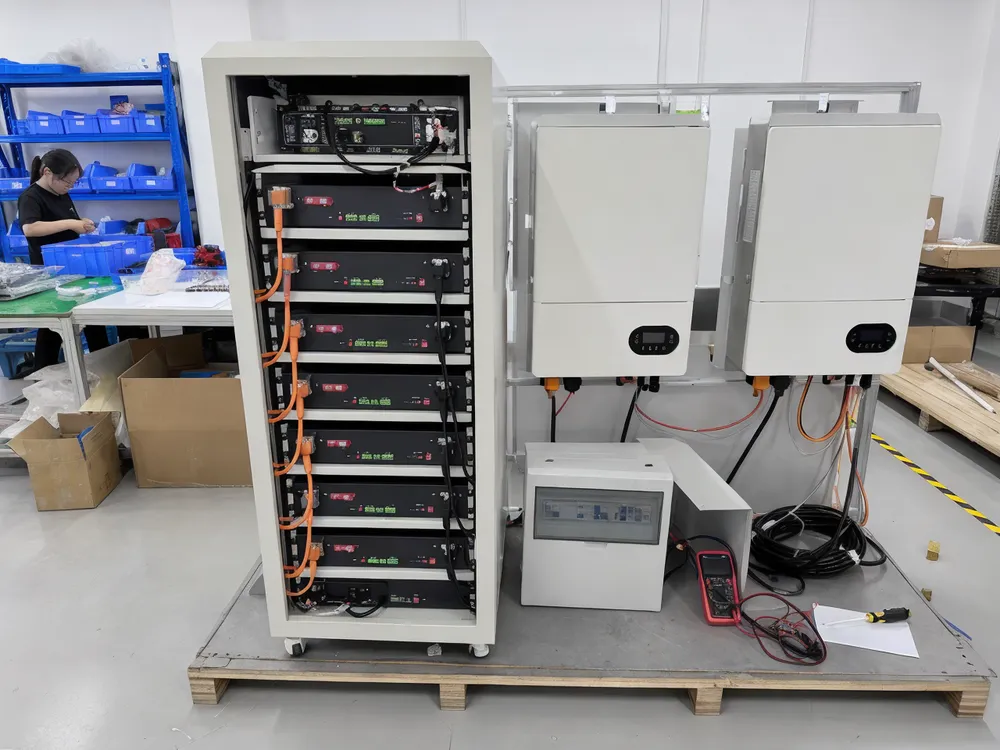
Hybrid Solar Battery System for Grid-Tied Backup Programs
This page is for you if you're sourcing battery systems for hybrid solar projects — residential self-consumption, grid-tied backup, or reserve power through a hybrid inverter. As a hybrid solar system supplier, we provide the battery pack, BMS integration, and technical configuration support. We don't make panels or inverters. We make the storage component that sits between your hybrid inverter and the grid, and we make it at a scale that supports repeat wholesale programs.
A grid-tied solar battery system in a hybrid configuration needs to do three things reliably: store excess PV generation, discharge on demand when grid power is expensive or unavailable, and communicate its state to the inverter in real time. That communication layer — the BMS-to-inverter protocol — is where most sourcing problems start. We'll get into that next.
If you already know your inverter model, target capacity, quantity, and destination market, you can skip ahead and request a quote for your hybrid solar battery system.
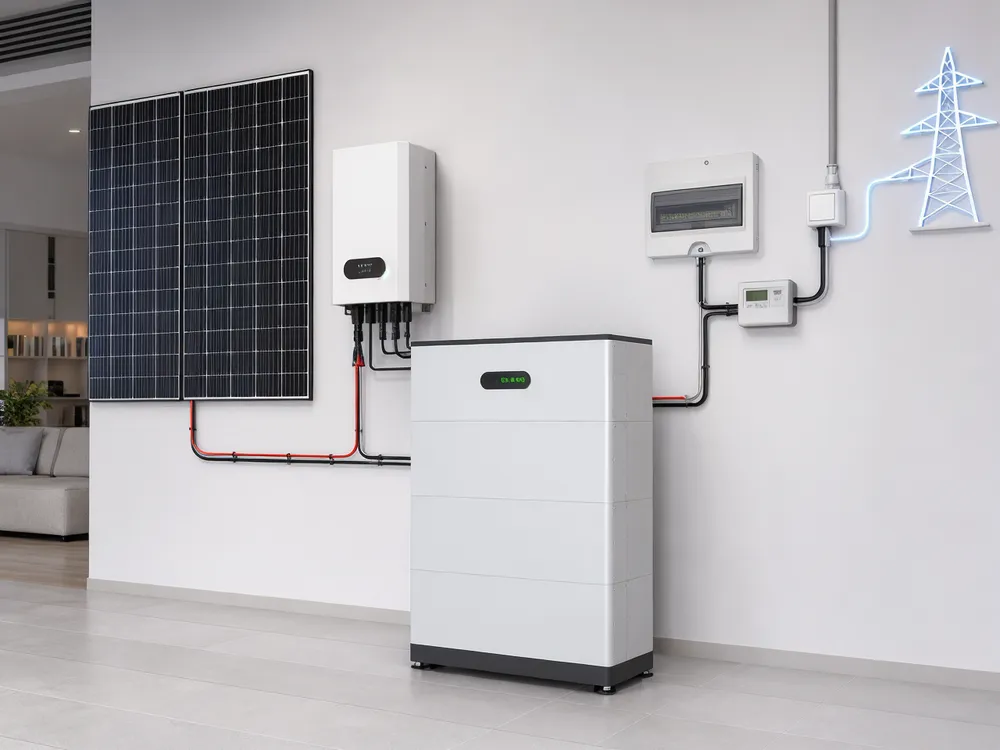
Store Excess PV Generation
Capture surplus solar energy during peak production hours for later use, maximizing self-consumption ratios for your end customers.
Discharge on Demand
Deliver stored energy when grid power is expensive or unavailable, providing backup continuity and time-of-use arbitrage capability.
Real-Time Inverter Communication
BMS reports SOC, voltage, current limits, and temperature to the inverter continuously — the protocol layer where most sourcing problems originate.
Battery-Inverter Compatibility Is the First Commercial Risk to Remove
The Pattern We See Repeatedly
A distributor sources batteries at a good price, ships them to installers, and then the callbacks start. The inverter throws fault codes. SOC readings drift. Charge current limits don't match. The installer blames the battery, the battery supplier blames the inverter, and you — the one who sold the package — absorb the warranty cost and lose the reorder.
As a hybrid solar battery system manufacturer, we treat inverter compatibility as an engineering problem, not a sales promise. Our in-house BMS team programs communication protocols to match specific inverter requirements. The standard options we support include RS485 and CAN bus, with optional Bluetooth monitoring for commissioning and diagnostics.
But the protocol alone isn't enough — the BMS firmware needs to report SOC, charge/discharge current limits, cell voltage ranges, and temperature data in the format and timing the inverter expects.
When you send us your inverter brand and model, we check three things: communication protocol and baud rate, voltage window and charge/discharge curve expectations, and protection threshold alignment. If we've already validated that inverter model, we send you the compatibility confirmation and test data. If it's a new model for us, we request the inverter's battery communication specification and program a matched BMS profile — typically a 2–3 week development cycle for firmware adjustment and bench testing.
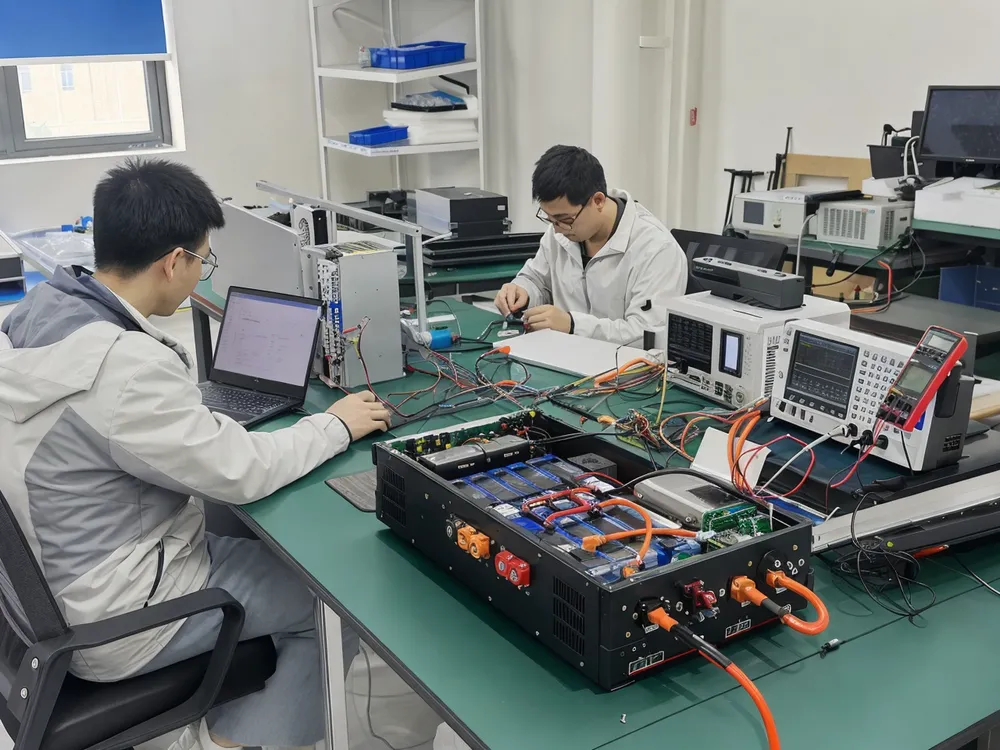
What We Validate for Every Inverter Model
Communication Protocol & Baud Rate
RS485 or CAN bus interface verification, data frame structure, and timing synchronization with the inverter's expected polling interval.
Voltage Window & Charge/Discharge Curves
Ensuring the BMS-reported voltage range and current limits align with the inverter's programmed charge profile and cutoff thresholds.
Protection Threshold Alignment
Over-voltage, under-voltage, over-current, and temperature protection parameters matched so the BMS and inverter don't conflict on safety shutdowns.
We keep a running internal database of inverter models we've validated. It grows with every project. If your inverter is already on the list, the process is faster. New inverter models typically require a 2–3 week firmware development cycle.
The Commercial Result
Fewer installer callbacks, fewer after-sales disputes, and a battery SKU your installers trust enough to reorder without hesitation.
Specification Framework You Can Put Into RFQs
The table below covers typical specification ranges for our hybrid solar battery system configurations. These are planning references for your RFQ — exact values depend on the model and any customization. We'll send confirmed data sheets once you specify your requirements.
| Parameter | Typical Range / Standard |
|---|---|
| Chemistry | LiFePO4 (lithium iron phosphate) |
| Nominal Voltage | 48V / 51.2V (16S configuration); 24V available for smaller systems |
| Usable Capacity | 100Ah–280Ah per module (5.12kWh–14.3kWh) |
| Scalability | Parallel connection for higher capacity; up to 8–16 units depending on inverter support |
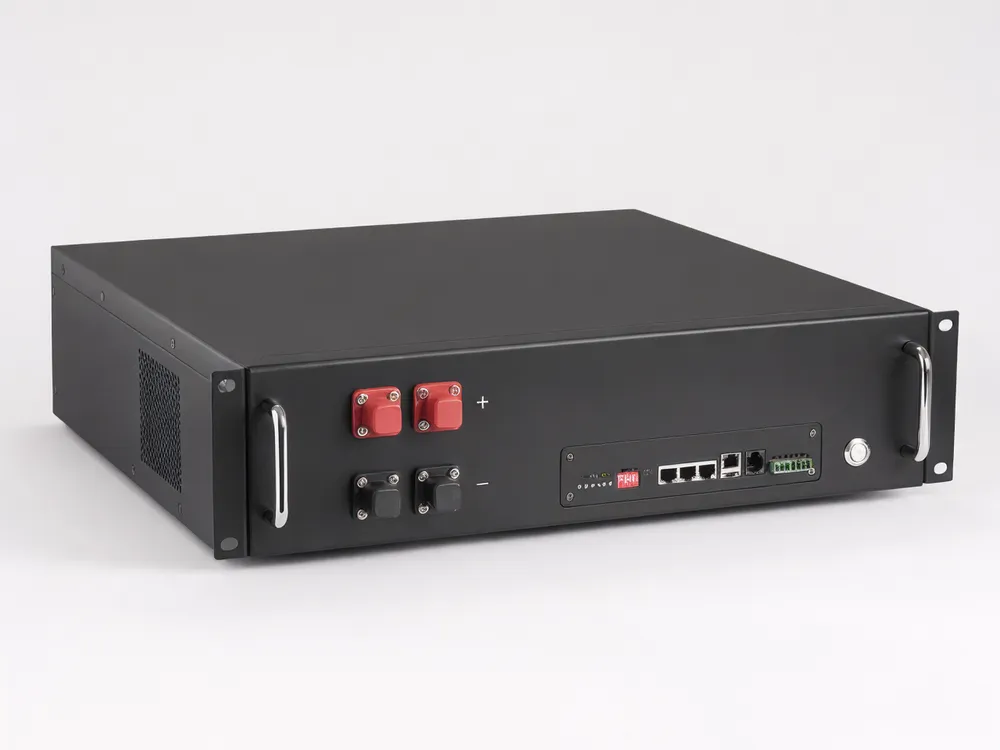
| Form Factor | Wall-mounted, rack-mounted (19" standard), floor-standing cabinet, stackable modular |
| BMS Communication | RS485, CAN bus; optional Bluetooth for local monitoring |
| BMS Protection | Over-charge, over-discharge, over-current, short-circuit, high/low temperature |
| Charge/Discharge Rate | Standard 0.5C; peak 1C (model-dependent) |
| Operating Temperature | Charge: 0°C to 55°C; Discharge: -20°C to 60°C (typical) |
| Cycle Life | ≥4,000 cycles at 80% DOD to 80% retained capacity (cell-grade dependent) |
| Self-Discharge | ≤3% per month at 25°C |
| IP Rating | IP20 (indoor); IP65 available for outdoor-rated enclosures |
| Weight | 45–120 kg per module depending on capacity and enclosure |
Specification note: Values shown are industry-standard planning references for LiFePO4 hybrid storage. Actual specifications vary by model and configuration. Request the detailed data sheet for your target configuration →
Why LiFePO4 for Hybrid Applications
We recommend LiFePO4 for hybrid applications because the flat discharge curve matches inverter voltage windows more predictably than ternary lithium, and the thermal stability reduces BMS complexity in grid-tied duty cycles where the battery may sit at high SOC for extended periods.
For cost-sensitive markets where cycle life requirements are lower, we can discuss lead-acid gel options — but for grid-tied solar battery system programs with 10+ year warranty expectations, LiFePO4 is the practical choice.
Market Segments Where Hybrid Storage Creates Repeat Orders
We think about applications the way you think about them — as market segments with order patterns, margin structures, and reorder potential. Here's where our hybrid solar battery system fits into your business:
Residential Solar Distributors
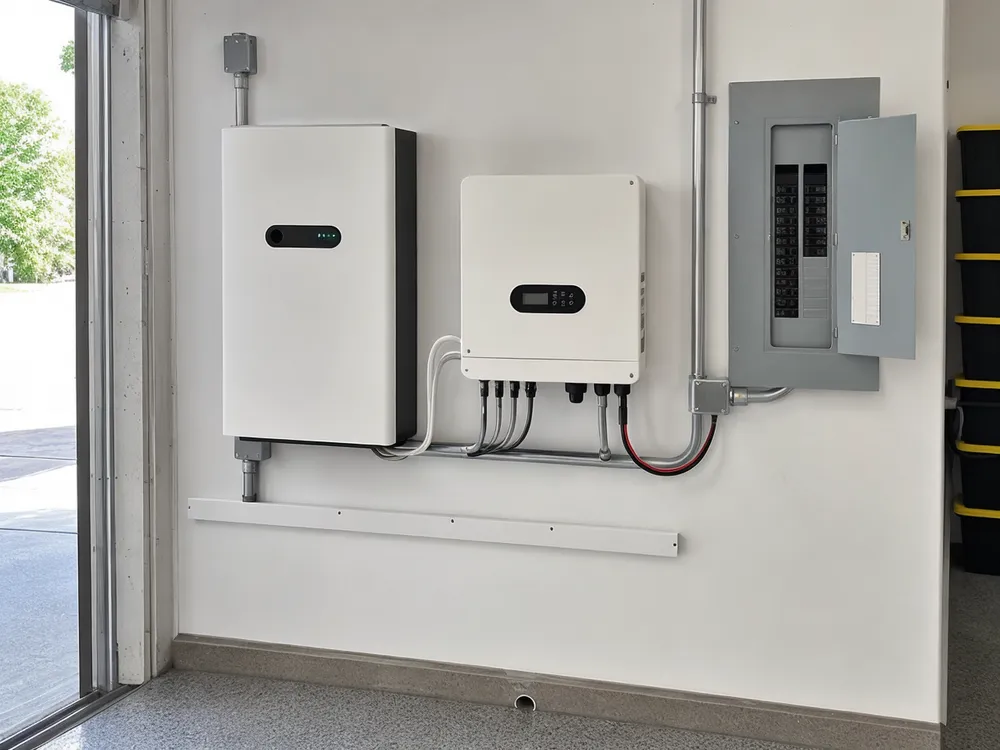
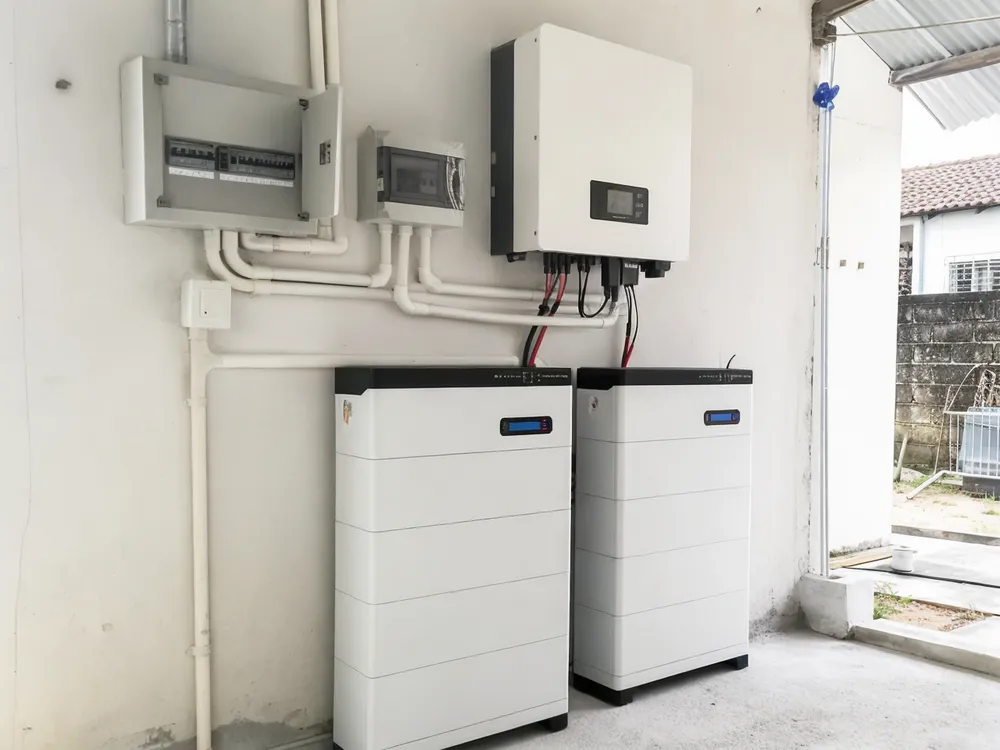
The 5–15kWh residential hybrid segment is the volume driver. Homeowners with grid-tied solar want to store excess generation and use it during peak tariff hours or grid outages. You sell the battery as part of a hybrid inverter package.
The key to margin here is consistency — same SKU, same installation procedure, same commissioning steps across every job. We configure a standard battery model matched to your inverter program, so your installers don't need retraining between sites.
Most distributors in this segment start with 100–200 units to validate with their installer network, then scale to container orders quarterly.
Weak-Grid and Frequent-Outage Markets
In regions where the grid drops daily or fluctuates in voltage, hybrid systems aren't a luxury — they're the baseline expectation. Your buyers need batteries that handle frequent cycling without accelerated degradation, and BMS systems that manage seamless grid-to-battery transitions.
We've shipped to markets in Africa, Southeast Asia, and South America where this is the primary use case.
These markets have high reorder rates because every new housing development or commercial building needs the same solution.
Small Commercial Projects
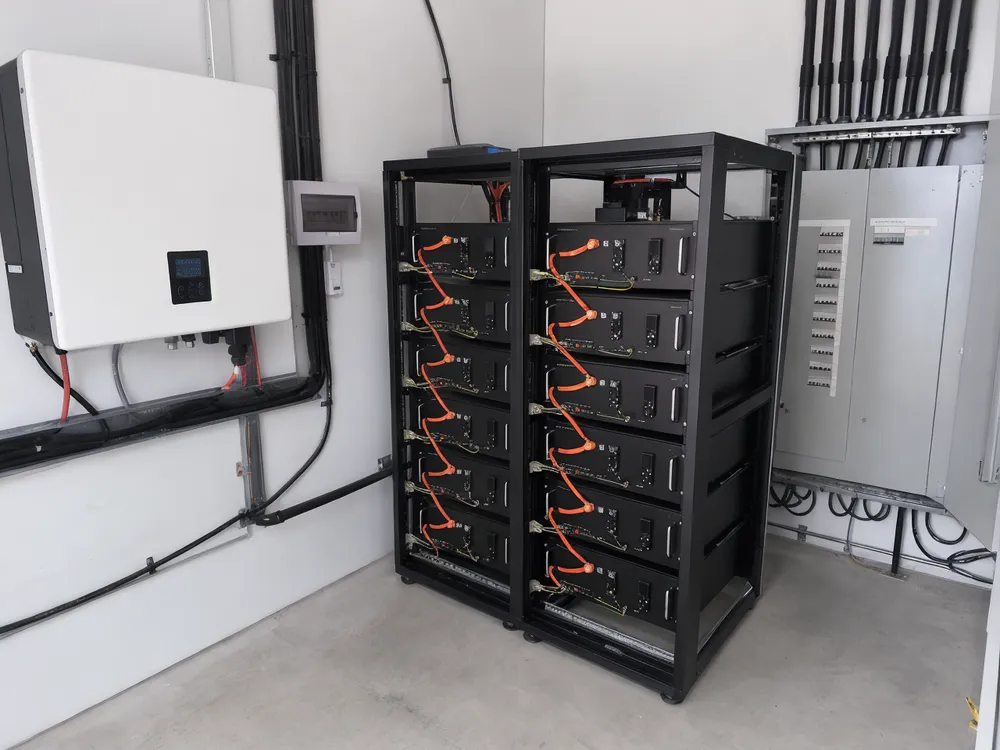
Shops, clinics, farms, telecom base stations, and service sites — anywhere the cost of a power outage exceeds the cost of a battery system. These projects typically need 20–50kWh of storage, often rack-mounted or cabinet-style.
The order pattern is project-based but repeatable: once a contractor validates your battery with their preferred inverter, they specify it across all future projects.
We see contractors come back with 3–5 project orders per year once the first installation proves out.
Wholesalers Bundling with Hybrid Inverters
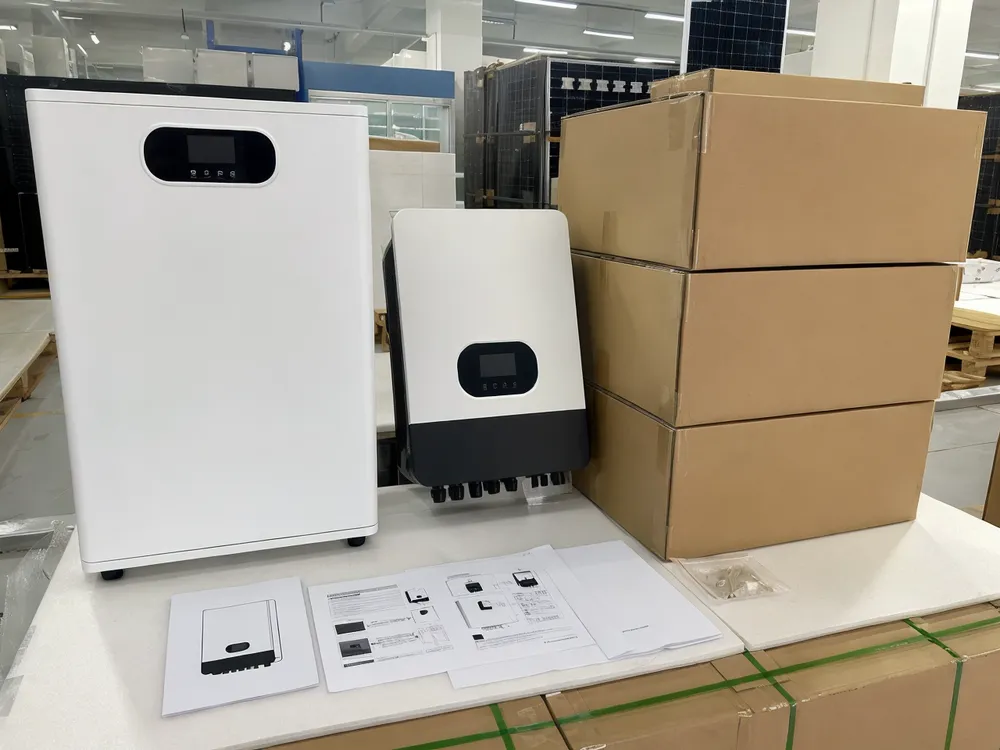
If you sell hybrid inverters and want to offer a matched battery, you need a consistent SKU with confirmed compatibility, documentation that matches your inverter's manual, and packaging that ships together cleanly.
We can align battery labeling, documentation language, and carton dimensions to complement your inverter packaging — reducing your warehouse complexity and your customer's unboxing confusion.
Custom Voltage, Capacity, Branding, and BMS Settings Without Losing MOQ Control
Hybrid projects rarely fit a single standard configuration. Your inverter has specific voltage windows. Your market expects specific capacity tiers. Your brand needs to be on the product. Here's what we can adjust — and where the boundaries are.
Voltage and Capacity
We configure cell arrangements to match your inverter's battery input specifications. Standard is 16S (51.2V nominal) for 48V hybrid inverters, but we build 8S (25.6V), 14S (44.8V), or other configurations when the inverter requires it.
Capacity scales from 50Ah to 280Ah per module, with parallel expansion for larger systems.
Enclosure Options
- Wall-mounted for residential programs
- 19" rack-mounted for server-room-style installations
- Stackable modular for flexible capacity
- Floor-standing cabinet for commercial sites
If your project needs a non-standard enclosure — say a specific depth to fit an existing cabinet, or an outdoor-rated IP65 housing — we can develop custom tooling on orders above 500 units.
BMS Customization
Communication protocol selection (RS485, CAN, or both), protection threshold adjustment for your specific duty cycle, SOC calibration method, charge/discharge curve programming, and optional monitoring features (Bluetooth app, LED indicators, dry contact alarm outputs).
This is where our in-house BMS engineering matters most — we're not configuring a third-party module with limited parameters, we're programming our own firmware.
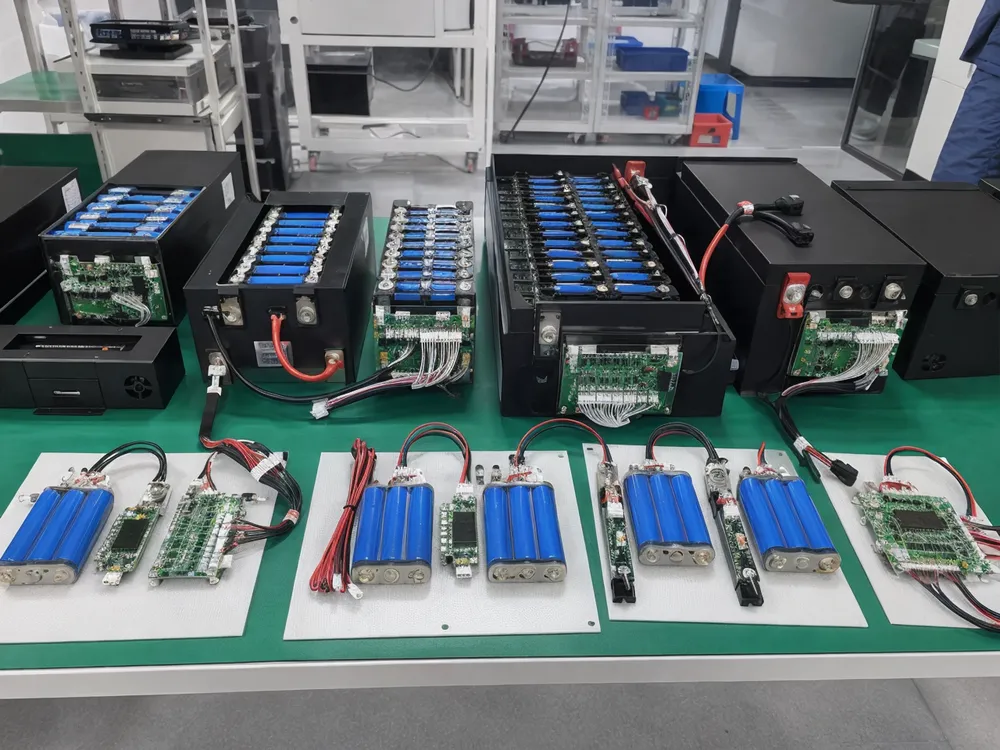
OEM/ODM Branding
Label, silk-screen, color, logo placement, packaging design, user manual, and warranty card — all customizable. We produce your documentation in the language your market requires.
MOQ Reality
Standard models: Start at 100 units.
OEM (label + color change on existing model): 100 units is still feasible.
Custom voltage, new enclosure tooling, or new BMS firmware: MOQ depends on the development scope — typically 200–500 units for the first order to cover validation costs.
We'll quote the exact threshold after reviewing your specifications. (We'd rather be upfront about this than surprise you with hidden NRE charges later.)
Limitations Worth Knowing
Major electrical changes — different cell chemistry, significantly different voltage architecture, or new safety certifications — require full re-testing.
Market-specific grid compliance (G98, G99, VDE 4105, etc.) depends on the inverter, not only the battery. We'll tell you which certifications cover the battery side and which your inverter supplier needs to handle.
Production Controls That Keep Hybrid Battery Batches Consistent
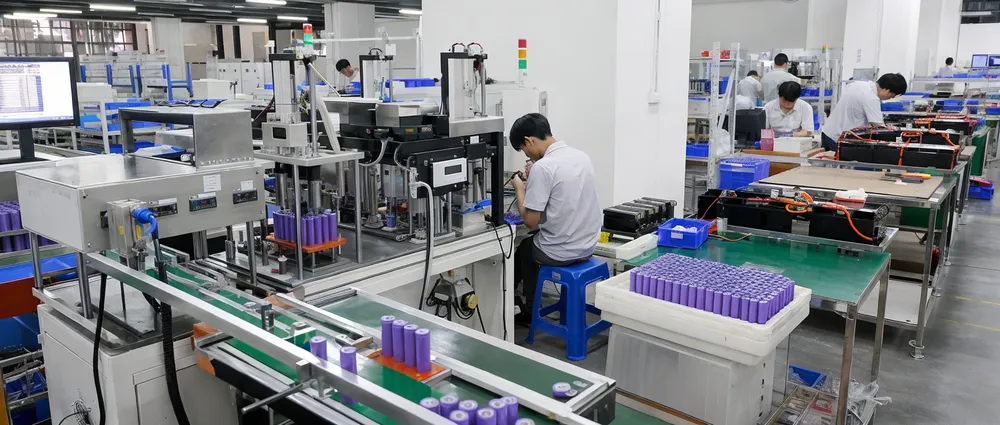
We've manufactured solar energy storage batteries since 2012. The hybrid solar battery system manufacturer capability you're evaluating isn't a new product line for us — it's an extension of the same LiFePO4 pack assembly and BMS integration we've been refining for over a decade.
Cell Sorting and Matching
Every cell entering our hybrid battery production goes through automated sorting — measured for actual capacity, internal resistance, and open-circuit voltage, then grouped within tight tolerances:
This is the step that determines whether your 500-unit batch performs consistently in the field or develops capacity spread after 6 months of cycling.
We dual-source cells from qualified suppliers and re-verify every incoming batch regardless of the supplier's own test reports. (We learned early that supplier COAs don't always match what arrives on the pallet.)
BMS Integration and Programming
Because we design and produce BMS boards in-house, every board is programmed specifically for the cell configuration and inverter protocol it will serve.
Protection parameters — over-charge voltage, over-discharge cutoff, charge/discharge current limits, temperature windows — are set per model, not per generic template.
Each board goes through functional verification before it's connected to the cell pack.
Lifecycle Testing
Every production batch undergoes:
- Capacity verification
- Charge/discharge cycling
- High-temperature soak (55°C)
- Low-temperature discharge (-20°C)
- Safety testing
We don't rely solely on type-approval test reports from two years ago — we verify ongoing production against the original qualification data.
Production Scale
Your hybrid battery program runs alongside our other solar storage products without queue delays.
Certifications
ISO 9001:2015 — Manufacturing management
CE — Product safety, European market
IEC 62133 — Secondary lithium cell safety
UN38.3 — Transport classification
MSDS — Material safety documentation
Export Documentation and Packaging That Protect Landed Cost
Lithium batteries are classified dangerous goods for international transport. Missing or incorrect documentation doesn't just delay your shipment — it can result in port storage fees, re-inspection charges, or outright rejection. As a hybrid solar system supplier shipping to Europe, Southeast Asia, Africa, South America, and the Middle East since 2012, we've built documentation and packaging processes around preventing these problems.
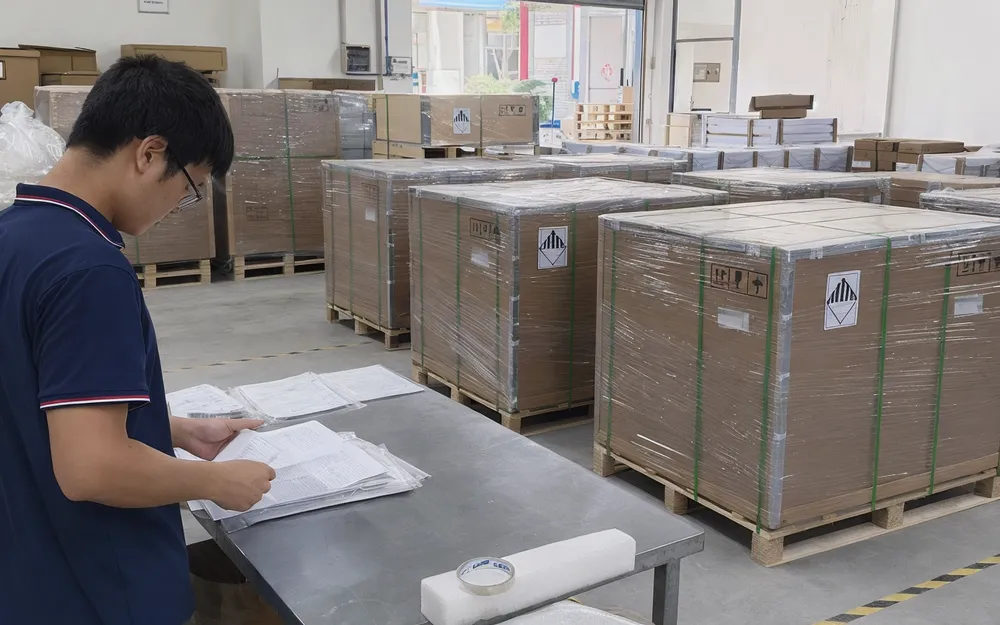
Documentation We Provide With Every Shipment
- Current UN38.3 test summary (per UN Manual of Tests and Criteria, Section 38.3)
- MSDS/SDS sheets
- Dangerous goods shipping declaration
- Packing list with battery specifications
- CE/IEC 62133 test reports for markets that require them
If your destination market needs additional documentation — country-specific import declarations, translated certificates, or specific labeling formats — tell us during the quotation stage so we can prepare everything before production starts.
Packaging Design for Battery Weight and Transport Stress
Hybrid battery modules are heavy (45–120 kg per unit). Our standard packaging uses reinforced double-wall cartons with internal foam positioning, rated for the actual unit weight plus stacking load during container transit.
Palletization follows your destination port's handling standards — we've learned that what works for European warehouse forklifts doesn't always work for African inland truck logistics. Ask us about reinforced wooden crate options if your shipment involves rough overland transport after port.
Labeling
UN3481 lithium battery marks, handling labels, and any market-specific labeling your customs authority requires. We can print labels in your market's language and include your brand identity on outer cartons for direct-to-warehouse delivery.
Container Planning
We provide loading plans per model once your order is confirmed — pallet count, weight distribution, and total CBM. We don't publish generic container quantities because they vary significantly by model, enclosure type, and palletization method.
Choose Hybrid, Off-Grid, Stackable, 3-Phase, or DC-Coupled Systems
Not sure the hybrid configuration is the right fit? Here's how our solar battery system products compare — each targets a different project type and buyer program.
| System Type | Best For | Key Differentiator |
|---|---|---|
| Hybrid solar battery system This page | Grid-tied solar + backup through hybrid inverter | BMS-inverter communication, grid/battery transition, self-consumption optimization |
| Off-grid solar battery system | Remote sites without reliable grid | Deep-cycle autonomy, charge controller compatibility, standalone operation |
| Stackable solar battery system | Programs where modular capacity expansion is the selling point | Physical stacking, plug-and-play parallel, incremental investment for end users |
| 3 phase solar battery system | Commercial three-phase electrical environments | Higher power output, three-phase inverter integration, commercial-scale storage |
| DC coupled solar battery system | Projects where PV-side coupling topology is specified | DC-DC conversion, higher round-trip efficiency in new-build solar installations |
| Solar battery system for RV | Mobile and vehicle-mounted applications | Compact form factor, vibration resistance, 12V/24V low-voltage systems |
Best for: Grid-tied solar + backup through hybrid inverter
Key differentiator: BMS-inverter communication, grid/battery transition, self-consumption optimization
Best for: Remote sites without reliable grid
Key differentiator: Deep-cycle autonomy, charge controller compatibility, standalone operation
Best for: Programs where modular capacity expansion is the selling point
Key differentiator: Physical stacking, plug-and-play parallel, incremental investment for end users
Best for: Commercial three-phase electrical environments
Key differentiator: Higher power output, three-phase inverter integration, commercial-scale storage
Best for: Projects where PV-side coupling topology is specified
Key differentiator: DC-DC conversion, higher round-trip efficiency in new-build solar installations
Best for: Mobile and vehicle-mounted applications
Key differentiator: Compact form factor, vibration resistance, 12V/24V low-voltage systems
If you're building a product line that spans multiple segments, we can supply across these categories from the same factory with consistent quality standards and consolidated shipping.
Procurement FAQ for Hybrid Solar Battery System Buyers
Direct answers to the technical and commercial questions we hear most from distributors, integrators, and procurement teams evaluating hybrid battery supply.
What battery voltage is most common for a hybrid solar battery system?
What battery voltage is most common for a hybrid solar battery system?
48V nominal (51.2V actual, using a 16-series LiFePO4 cell configuration) is the industry standard for residential and light commercial hybrid inverters. Most hybrid inverters from major brands are designed around this voltage window. 24V systems exist for smaller installations but are less common in grid-tied hybrid applications. Send us your inverter model and we'll confirm the correct voltage platform.
How do I confirm whether a battery system works with my hybrid inverter?
How do I confirm whether a battery system works with my hybrid inverter?
Send us the inverter brand, model number, and battery communication protocol specification (usually available in the inverter's installation manual or from the inverter manufacturer's technical support). We check protocol compatibility (RS485/CAN), voltage window alignment, and data frame format. If we've already validated your inverter model, we can confirm compatibility within 1–2 business days. New models require a firmware development cycle of 2–3 weeks.
Can one hybrid solar battery system support both grid-tied operation and backup power?
Can one hybrid solar battery system support both grid-tied operation and backup power?
Yes — that's the defining function of a hybrid configuration. The battery charges from solar during normal operation (self-consumption mode) and provides backup power to priority loads when the grid fails. The transition behavior — how fast, how seamlessly — depends on the hybrid inverter, not the battery. Our BMS supports both operating modes and reports accurate SOC to the inverter so it can manage the transition logic.
What certifications and shipping documents are needed for lithium battery import?
What certifications and shipping documents are needed for lithium battery import?
At minimum: UN38.3 test summary (transport safety), MSDS/SDS (material safety), and proper dangerous goods shipping declarations. For European markets, CE marking and IEC 62133 test reports are typically required for market access. Some markets require additional local certifications. We provide UN38.3, MSDS, CE, and IEC 62133 documentation as standard. If your market needs something beyond these, raise it during the quotation stage so we can plan accordingly.
What information should I send before asking for a hybrid solar battery quote?
What information should I send before asking for a hybrid solar battery quote?
The more specific you are, the faster we can respond with an accurate quote. Ideal RFQ information: inverter brand and model, target battery voltage and capacity, required form factor (wall-mount, rack, stackable), quantity and reorder expectations, destination market, certification requirements, and any OEM branding needs. Even partial information helps — we'll ask clarifying questions on anything missing.
What is the MOQ for standard and customized EVANBattery hybrid battery systems?
What is the MOQ for standard and customized EVANBattery hybrid battery systems?
Standard models: 100 units. OEM label/color changes on existing models: 100 units. Custom voltage, capacity, or BMS firmware: typically 200–500 units for the first order depending on development scope.
We quote exact MOQ after reviewing your specifications — no hidden minimums or surprise charges.
RFQ Checklist for a Fast Technical Quote
Send us the following and we'll respond with a technical recommendation and pricing within 48 hours. You don't need every item — but the more you provide, the more precise our first response will be.
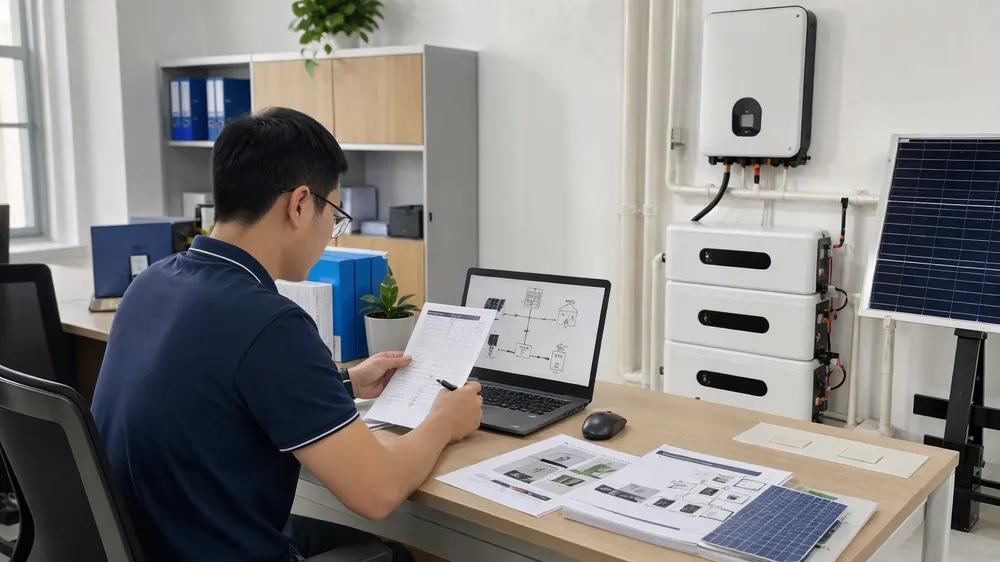
Your RFQ Should Include:
-
Inverter brand and model Or communication protocol if you're developing your own inverter program
-
Battery voltage and capacity target e.g., 51.2V 200Ah, or "10kWh per unit"
-
Form factor preference Wall-mounted, rack-mounted, stackable, cabinet, or open to recommendation
-
Chemistry LiFePO4 standard; specify if you need lead-acid alternatives
-
Quantity and reorder expectations First order size + estimated annual volume
-
Destination market Affects certification, documentation, and packaging requirements
-
Certification requirements CE, IEC 62133, or market-specific standards
-
OEM/ODM needs Branding, custom packaging, documentation language
-
Expected delivery schedule When you need the first shipment
Contact Us Directly
Explore More Solar Battery Systems
Browse related configurations from EVANBattery's product range.
Off Grid Solar Battery System
Standalone energy storage for off-grid installations.
Stackable Solar Battery System
Modular capacity expansion with stackable units.
3 Phase Solar Battery System
Three-phase compatible storage for commercial sites.
DC Coupled Solar Battery System
High-efficiency DC-coupled architecture.
Solar Battery System for RV
Compact mobile power for recreational vehicles.
All Solar Battery Systems
View the full category range.