

Off Grid Solar Battery System Direct From Factory
Standalone 12V and 24V battery packs for markets with no grid connection. LiFePO4, gel, and AGM configurations built for deep-cycle duty, irregular solar charging, and rough inland logistics.
Sourced from one off grid solar battery system manufacturer with 13+ years and 6 production lines.
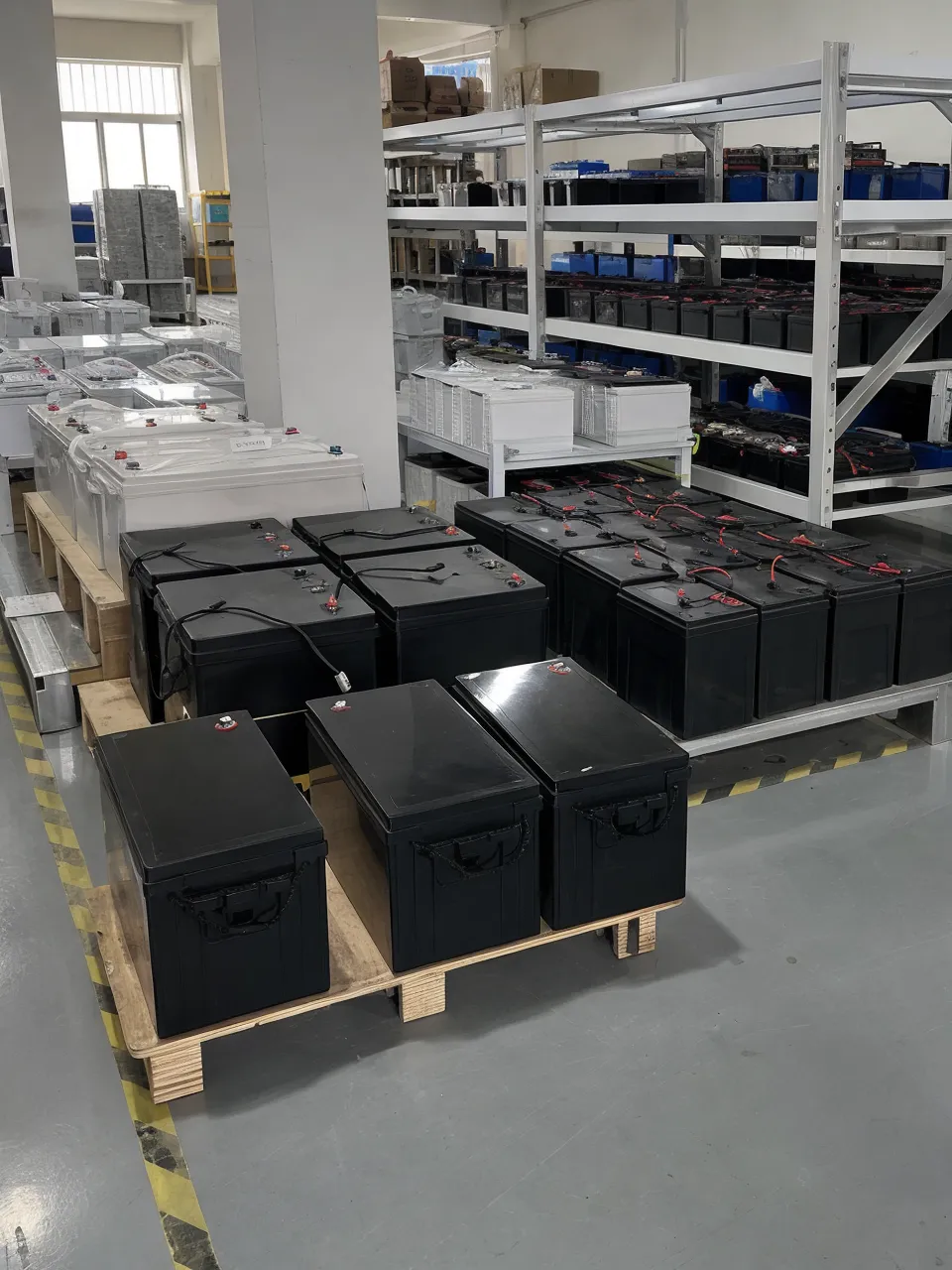
Standalone Deep-Cycle Packs for Off-Grid Distribution
We build standalone off grid solar battery systems — the 12V and 24V battery packs that power solar home kits, telecom towers, rural clinics, and agricultural loads where grid connection doesn't exist or can't be relied on. No hybrid inverter communication, no grid-tie logic. These are deep-cycle packs with BMS protection tuned for irregular solar charging and high ambient temperatures.
If you distribute into off-grid markets or supply project contractors deploying rural electrification, this is the platform. We produce in LiFePO4, gel, and AGM across capacity bands from 50Ah to 300Ah, with 12V and 24V as the standard voltage platforms.
As an off grid solar battery system manufacturer, we've shipped these configurations to Africa, Southeast Asia, the Middle East, and South America since 2012 — the 12V/24V solar battery system range is our original product line and still our highest-volume export category.
Request an Off-Grid Solar Battery System QuoteSolar Home Kits
12V packs paired with small-panel kits for residential lighting, phone charging, and fan loads in off-grid households.
Telecom Towers
24V deep-cycle banks for BTS backup where diesel genset runtime must be minimized and solar is the primary charge source.
Rural Clinics
Reliable storage for vaccine refrigeration, lighting, and diagnostic equipment in health posts beyond the grid edge.
Agricultural Loads
Irrigation pumps, electric fencing, and monitoring systems powered by solar with battery buffer for overnight and cloudy-day operation.
Platform at a Glance
Three chemistries, two voltage platforms, capacity from 50Ah to 300Ah — configured for the conditions your market actually faces.
LiFePO4
Longest cycle life, lightest weight, widest temperature tolerance. Premium cost offset by 3,000–5,000 cycle lifespan at 80% DoD.
Gel (VRLA)
Maintenance-free, spill-proof, tolerant of partial-state-of-charge cycling. Strong fit for markets where end-user technical skill is limited.
AGM
Lowest upfront cost, proven deep-cycle performance, wide availability of compatible charge controllers in the field.
Spec the 12V or 24V Platform Before You Quote the Project
Your RFQ starts with a platform decision: 12V or 24V. Everything downstream — controller selection, wiring gauge, inverter sizing, and landed cost per watt-hour — follows from this choice. Here's the specification coverage for our off-grid range so you can screen fit before sending detailed requirements.
| Parameter | 12V Solar Battery System | 24V Solar Battery System |
|---|---|---|
| Nominal voltage | 12.8V (LiFePO4) / 12V (gel/AGM) | 25.6V (LiFePO4) / 24V (gel/AGM) |
| Typical capacity range | 50Ah – 200Ah | 100Ah – 300Ah |
| Chemistry options | LiFePO4, gel, AGM | LiFePO4, gel, AGM |
| Controller compatibility | PWM and MPPT (12V input) | MPPT preferred (24V input) |
| BMS protections | Over-charge, over-discharge, over-current, short-circuit, high/low temperature | Same |
| Cycle life — LiFePO4 | 3,000–6,000 cycles at 80% DOD | 3,000–6,000 cycles at 80% DOD |
| Cycle life — gel | 800–1,200 cycles at 50% DOD | 800–1,200 cycles at 50% DOD |
| Cycle life — AGM | 500–800 cycles at 50% DOD | 500–800 cycles at 50% DOD |
| Operating temperature | -20°C to 55°C (discharge), 0°C to 45°C (charge) | Same |
| Enclosure format | Floor-standing, wall-mount | Floor-standing, wall-mount |
| Typical application | Solar home systems ≤1kW, small telecom, lighting | Solar home systems 1-5kW, telecom, pumps, clinics |
| Specifications shown are standard production values. Exact parameters confirmed at quotation stage based on your chemistry and capacity selection. | ||
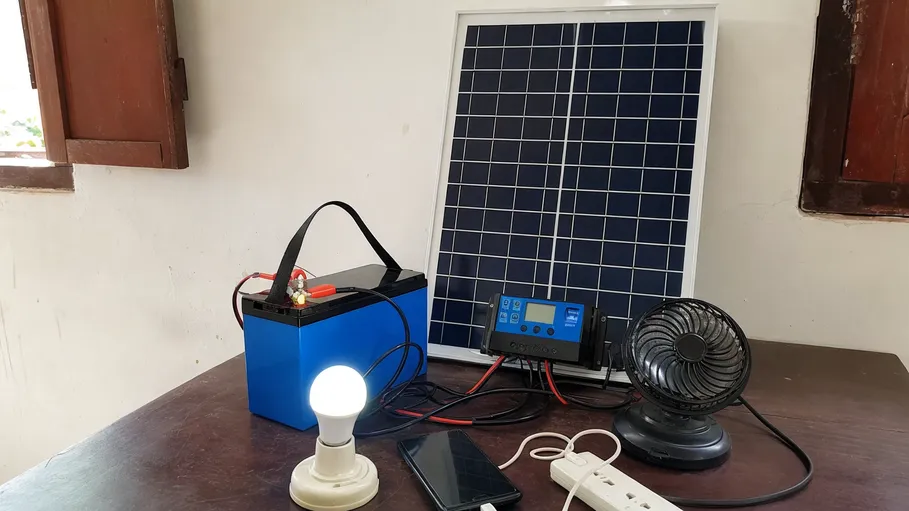
12V Platform
12V is your platform when the end system uses a PWM controller and low-power DC loads — lighting, phone charging, small fans, basic entertainment. The wiring is simpler, the controllers are cheaper, and your end customer's total system cost stays low.
Most solar home kit programs in sub-Saharan Africa and rural South Asia run on 12V.
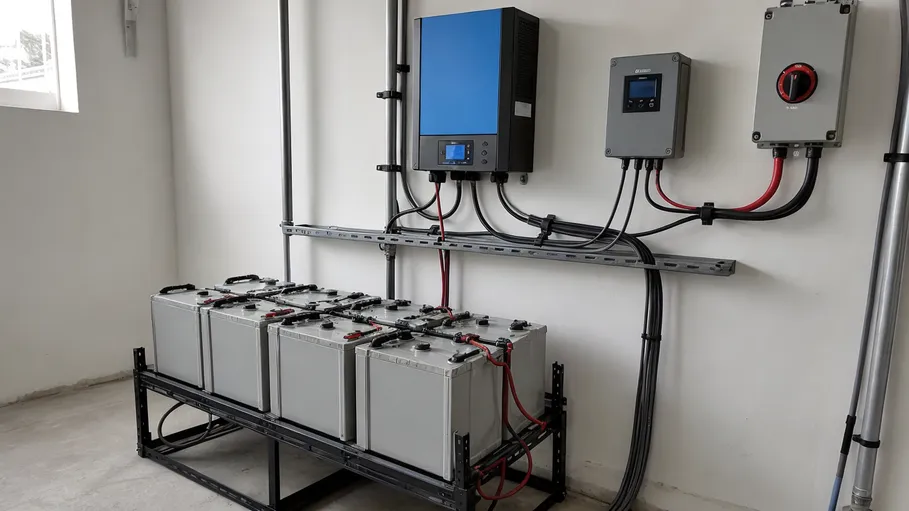
24V Platform
24V makes sense when the load exceeds 1kW or the cable runs are longer. Half the current at the same power means thinner wiring and lower voltage drop — your installer saves on copper and your end customer gets fewer performance complaints.
Telecom towers, water pumps, and multi-room systems typically run 24V.
If you're unsure which platform fits your target market, send us the load profile and we'll recommend the configuration that balances system cost against performance.
Chemistry Choices That Protect Margin in Off-Grid Markets
The chemistry decision isn't technical preference — it's a commercial positioning choice that determines your landed cost, warranty exposure, replacement cycle, and competitive angle in the destination market. We produce all three as an off grid solar system supplier, and we'll tell you honestly which one fits your program.
LiFePO4
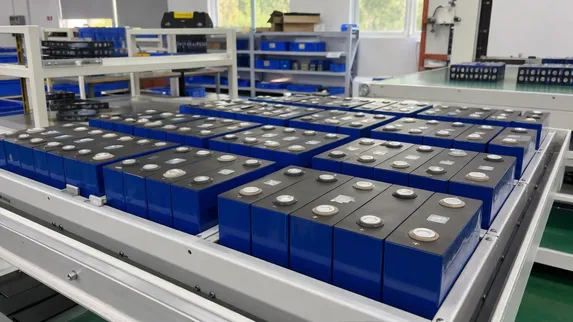
Margin story: Sell the 8–10 year service life against competitors offering 3-year gel replacements. Unit cost is higher, but cost-per-cycle is lower.
Best fit: Markets where end customers absorb higher upfront price, or project tenders specifying cycle life minimums.
Gel
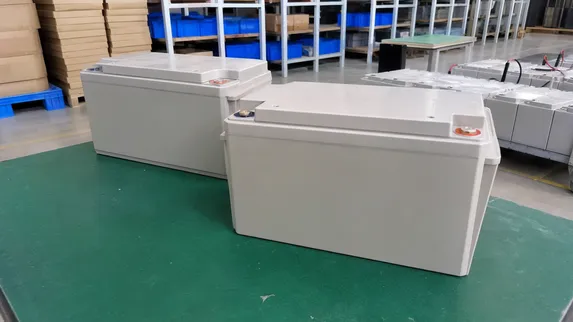
Margin story: Shorter cycle life means customers replace sooner — reorder revenue for you, but warranty risk if you've promised more than the chemistry delivers.
Best fit: Government-funded solar home kit tenders where procurement specs prioritize lowest initial cost.
AGM
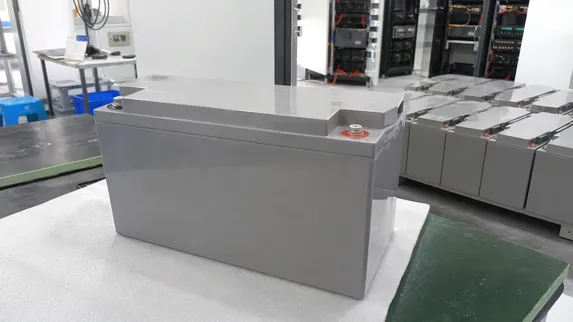
Margin story: Budget tier for markets that simply won't pay for gel. Telecom backup with infrequent deep discharge is a reasonable AGM application.
Best fit: Shallow-discharge backup, telecom sites, or price-floor markets where daily deep cycling is not the primary use case.
We produce LiFePO4 solar battery and gel solar battery configurations across the full off-grid voltage range.
Tell us your target retail price point and market conditions — we'll recommend the chemistry that protects your margin without creating warranty exposure.
Cell Matching and BMS Control Built for Off-Grid Duty Cycles
Off-grid solar systems punish batteries differently than grid-tied installations. The charge source is irregular — clouds, dust, seasonal variation, undersized panels. The discharge is often deep and unpredictable. Ambient temperatures in deployment regions regularly exceed 40°C. These conditions accelerate cell imbalance, capacity fade, and BMS protection trips if the battery wasn't built for them. This is where our process as an off grid solar battery system manufacturer directly reduces your field warranty exposure.
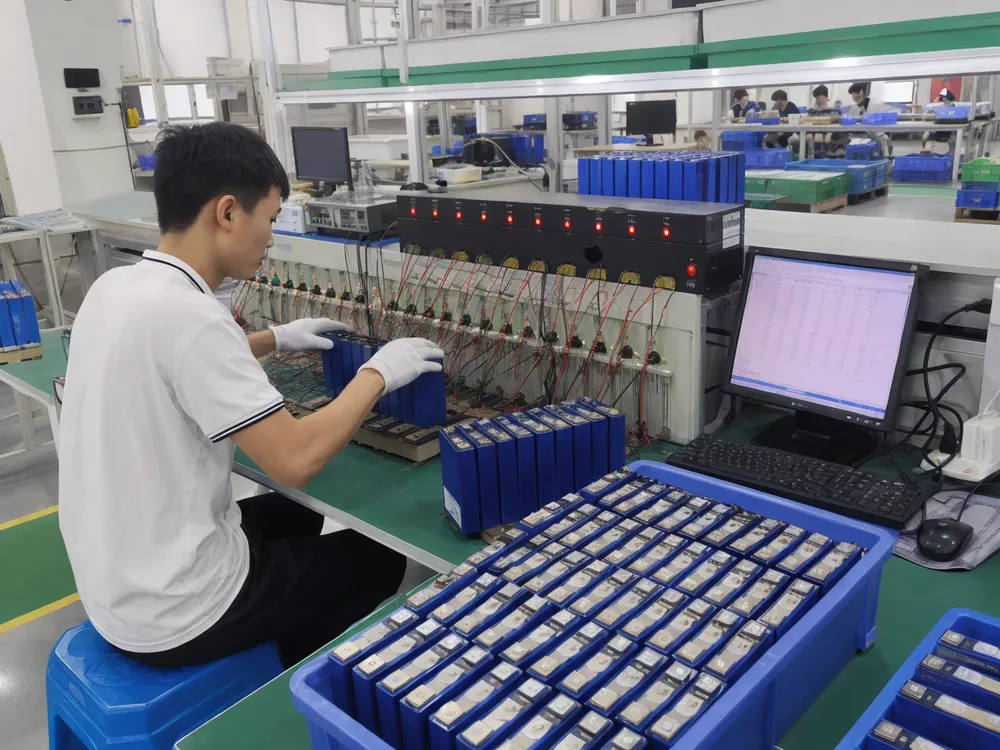
Cell Sorting for Off-Grid Stress Tolerance
We sort incoming cells by measured capacity and internal resistance into tight bins — typically ±20mV voltage spread and ±5mΩ resistance spread within a pack.
For off-grid applications specifically, we select cells from the portion of the distribution that shows stable capacity retention under partial state-of-charge cycling. Not every cell that passes basic QC performs equally when it never sees a full charge for weeks at a time.
We learned this from warranty data on early African deployments — packs with wider cell spread showed 15–20% faster capacity divergence in the field compared to tightly matched packs under the same conditions.
The sorting step costs production time, but it costs you far less than field replacements.
BMS Thresholds Matched to Off-Grid Reality
A 12V off-grid system connected to a PWM controller charges differently than a 48V hybrid system on a Deye inverter. The charge voltage profile is less precise, the absorption phase may be cut short by cloud cover, and the battery frequently sits at 60–70% SOC rather than cycling between 90% and 20%.
We program BMS protection parameters — low-voltage cutoff, balancing trigger threshold, charge voltage limit — specifically for this duty cycle.
Generic BMS settings designed for grid-tied applications will either over-protect (nuisance shutdowns that confuse end users) or under-protect (allowing conditions that accelerate degradation). Neither outcome is acceptable when your batteries are deployed 500km from the nearest service technician.
High-Temperature Validation
Every off-grid batch testedEvery off-grid batch goes through 55°C soak testing because that's the reality inside a battery enclosure in equatorial Africa or the Middle East during peak afternoon hours.
We verify that BMS temperature protection activates correctly and that cell capacity at elevated temperature stays within acceptable bounds.
We've rejected cell batches from suppliers whose datasheets looked fine at 25°C but showed abnormal capacity loss above 45°C — the datasheet doesn't always tell the full story.
Aging and Capacity Verification Before Shipment
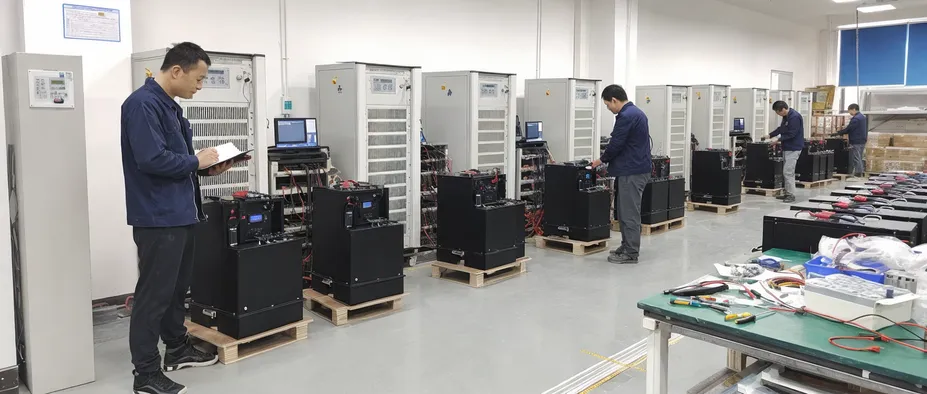
Outliers caught before your containerPacks cycle through charge/discharge aging after assembly. Any unit showing early-life capacity dropout gets pulled before it reaches your container.
Your field failure rate stays predictable because we catch the outliers here, not after installation.
Market Segments Where Off-Grid Battery Systems Move in Repeat Volume
Every off-grid battery order maps to a commercial channel with specific order patterns, margin dynamics, and reorder logic. Here's where our export buyers build repeat programs — framed as market segments you can evaluate for your own distribution or project business as an off grid solar system supplier.
Rural Solar Home Kits
Africa, South Asia, Island Nations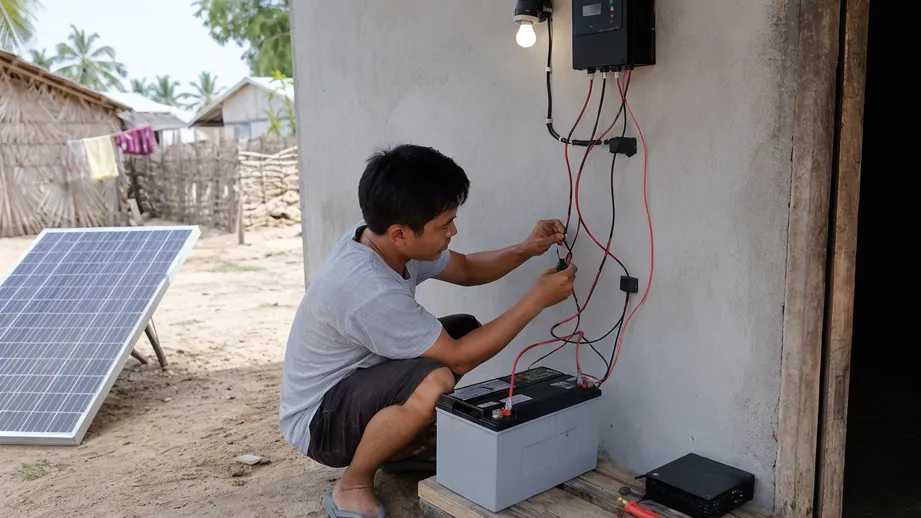
The highest-volume off-grid segment globally. Government tenders and NGO programs drive 500–5,000 unit orders for 12V 50–100Ah systems bundled with panels, controllers, and LED lighting.
Chemistry: Gel dominates on price-sensitive tenders; LiFePO4 is gaining where program specs require 5+ year battery life.
Reorder driver: Program extensions, new village rollouts, and replacement cycles.
Margin lever: Landed cost control — chemistry selection, container loading efficiency, and documentation that clears customs without delays.
Telecom Tower Backup
Africa, Southeast Asia, Middle East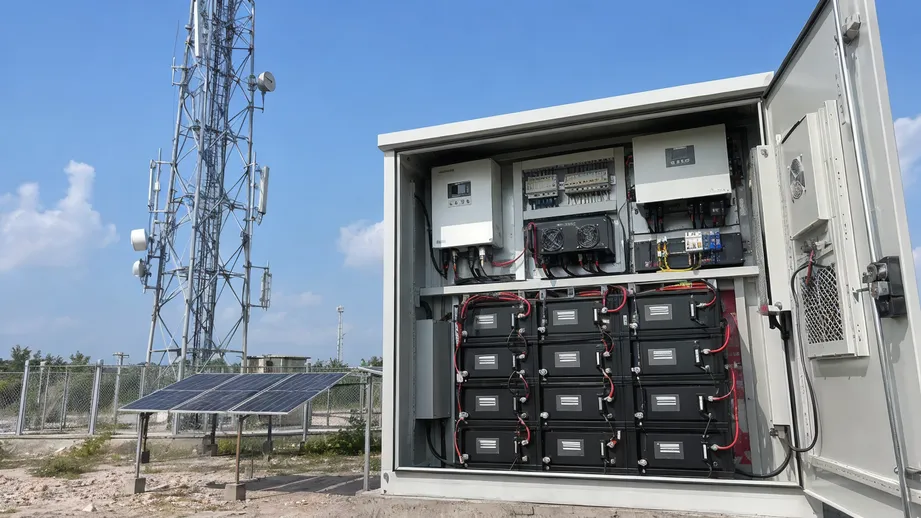
Telecom operators and their infrastructure contractors need 24V or 48V battery banks that survive 8–12 hour daily discharge cycles when diesel generators are offline.
Chemistry: LiFePO4 increasingly specified — weight savings matter for tower-mounted installations and cycle life justifies the premium over gel.
Order pattern: Project-based (50–200 units per site rollout) leading to framework agreements when the first deployment performs.
Competitive edge: Consistent BMS behavior across batches so the tower monitoring system doesn't flag false alarms.
Clinics, Schools & Community Power
NGO & Government Programs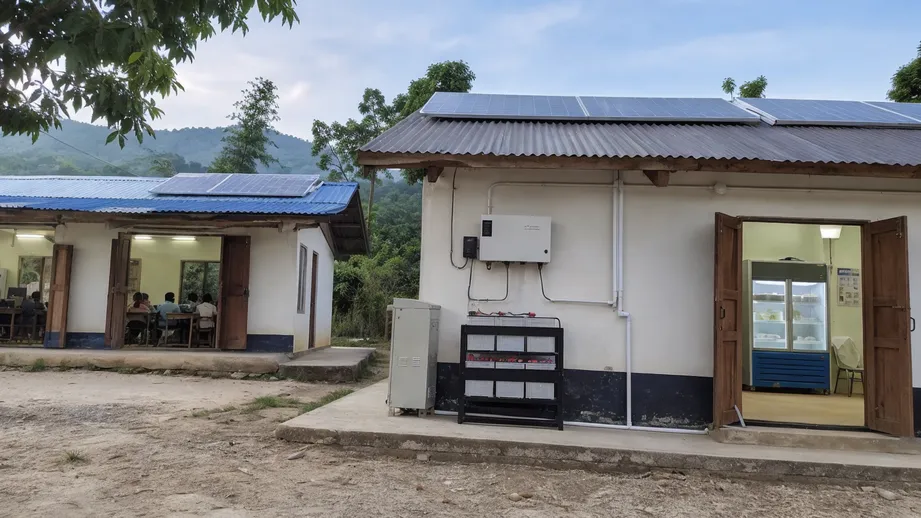
Similar to solar home kits but at higher capacity — 24V 150–300Ah systems powering vaccine refrigerators, lighting, communications, and basic computing.
Documentation: Strict requirements — UN38.3, MSDS, sometimes IEC 62133 — and long procurement cycles.
Reorder pattern: Predictable once you're on the approved supplier list. Order volumes are substantial.
Agricultural Pumps & Farm Loads
Irrigation & Livestock Markets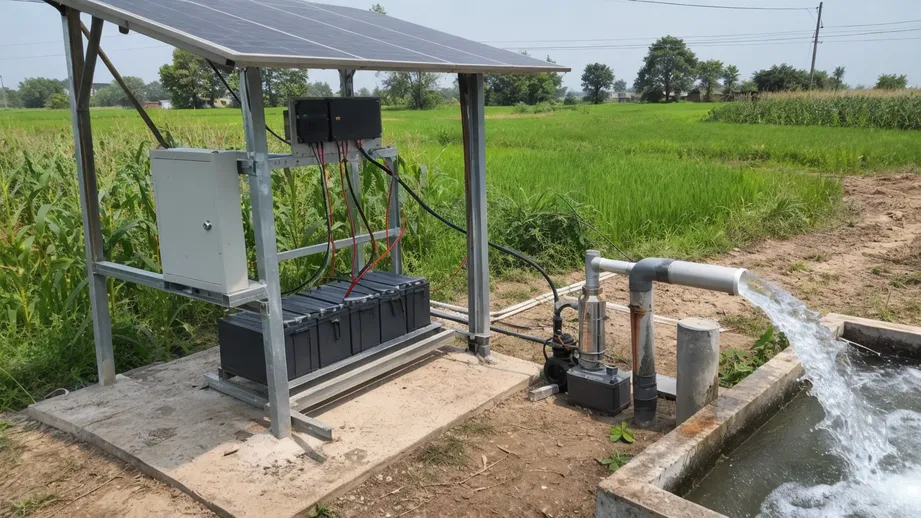
24V systems driving DC water pumps for irrigation, livestock watering, and crop processing. Seasonal demand patterns — orders peak before planting season in the destination market.
Duty cycle: Deep daily discharge with recovery from partial charging during overcast periods.
Chemistry: LiFePO4 preferred — pump load is demanding and gel replacement cycles are too short to be economical for the farmer.
Island & Remote Retail Power
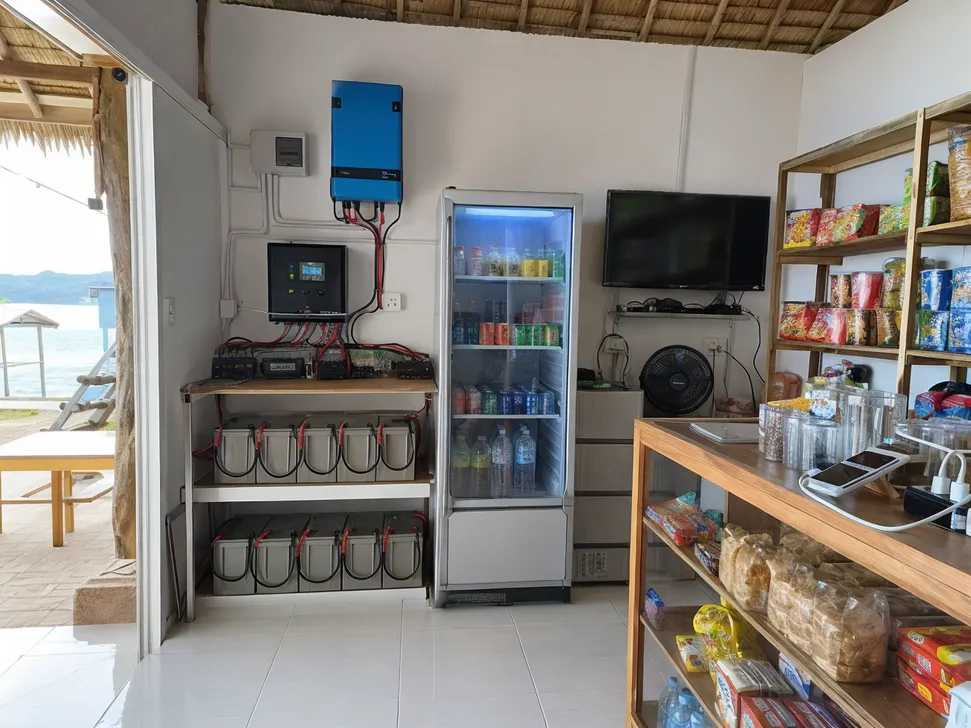
Off-Grid Commercial LocationsSmall shops, charging stations, and community entertainment centers in off-grid locations. 12V and 24V systems powering refrigeration, lighting, phone charging services, and audio/video equipment.
Entry pattern: Small trial orders (100–200 units) that scale as buyers prove the market.
Margin opportunity: Healthy — end users in these markets pay a premium for reliable power. Your battery's reputation drives repeat purchases through the same distribution channel.
Tell us your target market and load profile
Request Quote for Your MarketOEM/ODM Configuration for Controllers, Labels, and Local Market SKUs
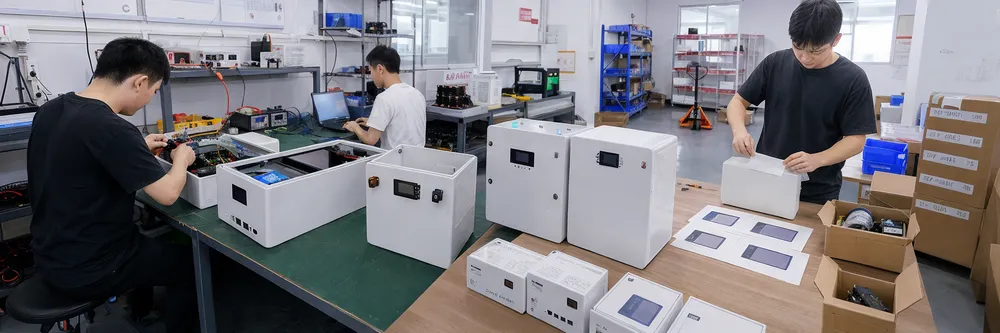
We configure off-grid battery systems to match your specific controller ecosystem, branding requirements, and market positioning. As an off grid solar battery system manufacturer, our 18-engineer R&D team handles the full scope from electrical customization through packaging design.
Voltage & Capacity Configuration
Standard 12V and 24V platforms in any capacity from 50Ah to 300Ah. Need a non-standard configuration — say a 12V 80Ah specifically sized to match a particular solar home kit enclosure, or a 24V 250Ah for a telecom spec?
We configure the cell arrangement and BMS parameters to match. The 12V and 24V solar battery system platforms share the same production infrastructure, so mixed-voltage orders ship together.
Controller & Charge Profile Matching
Your end system uses a specific charge controller — PWM or MPPT, with specific absorption voltage, float voltage, and low-voltage disconnect settings. We program BMS charge acceptance parameters to work within your controller's output profile.
This prevents the common field problem where a generic battery's BMS fights the controller's charge algorithm, causing premature cutoff or incomplete charging. Send us your controller model and we'll confirm compatibility or adjust BMS firmware.
BMS Parameter Customization
Low-voltage cutoff, over-charge protection threshold, balancing trigger voltage, temperature protection limits, and reconnect hysteresis — all programmable to your application requirements.
If your market experiences frequent high-temperature conditions, we can widen the operating temperature window or adjust the thermal derating curve. If your application requires deeper discharge, we can lower the cutoff voltage within safe limits for the cell chemistry.
Branding & Documentation Package
Your logo on the battery enclosure (silk-screen or adhesive label), custom color on powder-coated steel cases, branded outer cartons, user manual in your language, warranty card with your terms, and datasheet with your specifications. You receive market-ready product, not a generic battery that needs repackaging.
MOQ Structure
- Standard off-grid models: 100 units
- OEM label & color changes on existing configs: 100 units
- Custom electrical configurations (new capacity, modified BMS firmware, new enclosure): 200–500 units depending on scope
We quote the exact threshold upfront so your landed cost calculation is accurate from day one.
Mixed Trial Orders
If you're entering a new market and unsure about the optimal configuration, we can produce a mixed trial order — say 50 units of 12V 100Ah gel and 50 units of 12V 100Ah LiFePO4 — so you test both chemistries with your customers before committing to volume.
A practical way to validate market fit without overcommitting.
Packing, Documents, and Inland Logistics for Remote-Site Distribution
Off-grid batteries travel further after the port than most solar products. Your container lands at Mombasa or Dar es Salaam, then the batteries ride trucks over unpaved roads for 500km to reach the distribution warehouse or project site. Packaging that survives sea freight but fails inland transport creates damage claims that eat your margin. We pack for the full journey as an off grid solar system supplier.
Reinforced Carton and Foam Protection
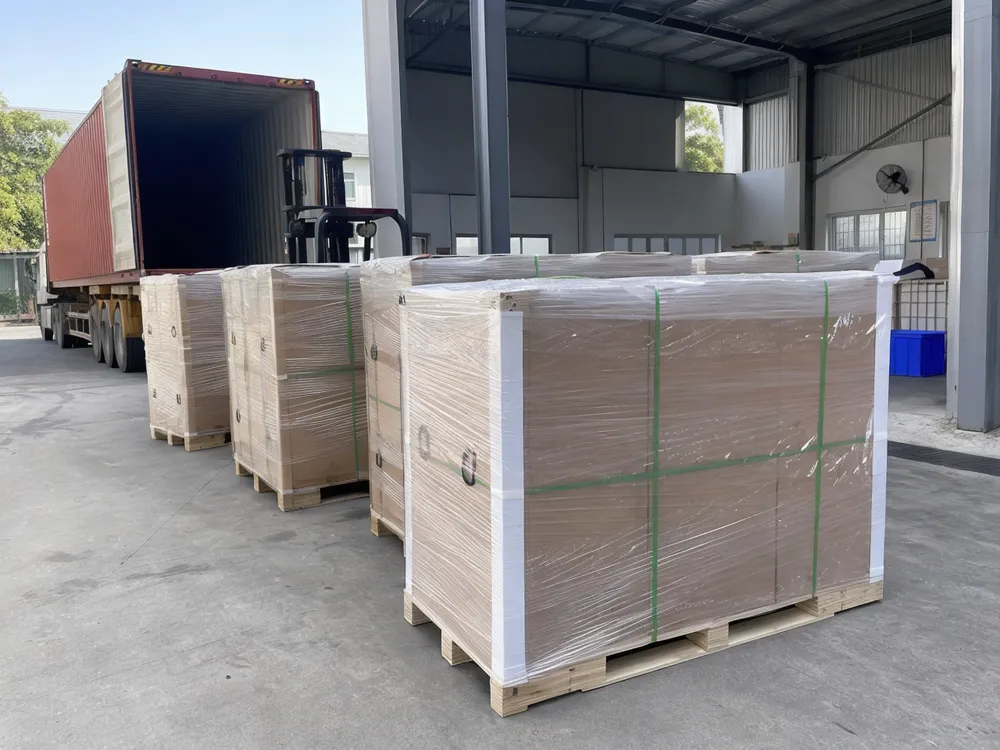
Each battery ships in a double-wall corrugated carton with custom-cut PE foam inserts sized to the specific model dimensions. The foam prevents movement during transit and absorbs impact from rough handling. Carton stacking strength is rated for the actual pallet height we ship — not a generic burst strength number that doesn't account for humidity weakening during sea transit.
Palletization and Container Loading
ISPM-15 compliant wood pallets, stretch-wrapped and corner-protected. We calculate pallet configurations based on your actual SKU mix and container type. A 20GP loaded with 12V 100Ah gel batteries has different weight distribution requirements than the same container loaded with 12V 100Ah LiFePO4 (gel is significantly heavier per unit). We provide a loading plan at quotation stage once your model selection is confirmed.
Shipping Documentation
UN38.3 test summary and MSDS for every model in your order — required for carrier booking and customs clearance. Class 9 lithium hazmat labels applied per IATA/IMDG requirements where applicable (lithium shipments). CE declaration of conformity and IEC 62133 test reports available for your import registration files.
We maintain current documentation for all standard models; custom configurations receive documentation after type testing completion.
Practical Logistics Notes
Gel and AGM batteries ship as non-hazardous (no Class 9 requirement), which simplifies carrier booking and reduces freight surcharges. LiFePO4 ships as Class 9 dangerous goods — factor the DG surcharge into your landed cost comparison when choosing chemistry.
We handle the shipper's declaration and can coordinate with your freight forwarder on documentation requirements.
Choose This Off-Grid Platform or Another Solar Battery System
The off-grid system is one of six architectures we produce under the solar battery system category. If your market needs something different, here's how to route your inquiry:
| If your buyer needs… | The right platform is… | Key difference from off-grid |
|---|---|---|
| Standalone 12V/24V for no-grid sites | Off-grid (this page) | Simple BMS, PWM/MPPT compatible, deep-cycle focus |
| Grid-tied storage with solar + mains charging | Hybrid solar battery system | CAN/RS485 inverter communication, 48V/51.2V platform |
| Modular capacity expansion for residential | Stackable solar battery system | Inter-module balancing, parallel connection, expandable |
| Compact mobile/recreational power | RV solar battery system | Vibration-rated, Bluetooth monitoring, compact form |
| Commercial three-phase installations | 3 phase solar battery system | Rack-mounted, 100-280Ah modules, building permit documentation |
| DC-coupled high-efficiency designs | DC coupled solar battery system | High-voltage MPPT compatibility, no AC conversion |
Off-Grid Solar Battery System
Buyer need: Standalone 12V/24V for no-grid sites
Simple BMS, PWM/MPPT compatible, deep-cycle focus
Hybrid Solar Battery System
Buyer need: Grid-tied storage with solar + mains charging
CAN/RS485 inverter communication, 48V/51.2V platform
Stackable Solar Battery System
Buyer need: Modular capacity expansion for residential
Inter-module balancing, parallel connection, expandable
RV Solar Battery System
Buyer need: Compact mobile/recreational power
Vibration-rated, Bluetooth monitoring, compact form
3 Phase Solar Battery System
Buyer need: Commercial three-phase installations
Rack-mounted, 100-280Ah modules, building permit documentation
DC Coupled Solar Battery System
Buyer need: DC-coupled high-efficiency designs
High-voltage MPPT compatibility, no AC conversion
If you distribute across multiple market types, we can quote a mixed program covering several architectures in one order. The production lines run independently, so multi-SKU orders ship complete.
Off Grid Solar Battery System FAQ for Procurement Quotes
Decision-support answers for distributors and project buyers evaluating voltage platforms and chemistry options before requesting a factory quote.
How do I choose between a 12V and 24V off grid solar battery system?
Match the voltage to your system's total load and controller ecosystem. A 12V solar battery system fits loads under 1kW with short cable runs — solar home kits with lighting, phone charging, and a small fan. A 24V solar battery system is the better platform above 1kW or when cable runs exceed 5 meters, because half the current at the same power reduces voltage drop and wiring cost.
12V Platform
- Loads under 1kW with short cable runs
- Solar home kits: lighting, phone charging, small fan
- Budget PWM controllers (most affordable units are 12V-native)
24V Platform
- Loads above 1kW or cable runs exceeding 5 meters
- Half the current at same power — reduced voltage drop and wiring cost
- MPPT controllers handle 24V efficiently with no cost penalty
If your target market uses predominantly PWM controllers (common in budget solar home kits), 12V is the practical choice because most affordable PWM units are 12V-native. MPPT controllers handle both platforms efficiently, so 24V becomes viable without a controller cost penalty.
LiFePO4 vs gel for off-grid rural markets — which chemistry should I stock?
It depends on your market's price sensitivity and your warranty strategy. Gel costs 40–50% less per unit than equivalent LiFePO4 capacity, so it wins on tenders where lowest initial price is the selection criterion. But gel delivers 800–1,200 cycles at 50% DOD versus 3,000–6,000 cycles at 80% DOD for LiFePO4 — meaning gel replacement comes in 3–4 years under daily solar cycling, while LiFePO4 lasts 8–10 years.
| Factor | Gel (VRLA) | LiFePO4 |
|---|---|---|
| Unit cost vs capacity | 40–50% less per unit | Higher upfront |
| Cycle life | 800–1,200 cycles @ 50% DOD | 3,000–6,000 cycles @ 80% DOD |
| Replacement timeline | 3–4 years (daily solar cycling) | 8–10 years |
| Best fit | One-time project tenders, no ongoing warranty | Distribution brands with warranty obligations |
If you're building a distribution brand with warranty obligations, LiFePO4 reduces your replacement liability. If you're supplying one-time project tenders with no ongoing warranty, gel maximizes your margin on the initial sale.
Many of our distributors carry both and let the end-market pricing determine which moves.
What information does EVANBattery need to confirm controller compatibility?
Send us the controller brand, model number, and charge profile settings — specifically: bulk/absorption charge voltage, float voltage, low-voltage disconnect threshold, and reconnect voltage. We verify that our BMS charge acceptance window aligns with your controller's output.
The match is straightforward because the battery sees panel voltage directly.
We confirm that the BMS doesn't trigger over-voltage protection at the controller's maximum charge voltage.
If you don't have exact settings, send the controller model and we'll look up the specifications.
What sizing information do you need to quote an off grid solar battery system?
At minimum, provide the following inputs for an accurate quote:
With these inputs, we can confirm whether your capacity target is correctly sized for the application and recommend adjustments if needed. The more complete your RFQ inputs, the faster we return an accurate quote.
What documents are required to import off-grid lithium batteries?
We provide all of these for standard models. If your destination requires additional local certification, our engineering team supports the application with test samples and technical data.
Gel & AGM batteries ship as non-hazardous, requiring only standard commercial documentation — no UN38.3 or Class 9 labeling needed.
What is the MOQ for standard and custom off-grid battery configurations?
Existing voltage, capacity, and chemistry in our production catalog. Applies to any 12V or 24V configuration we already produce with validated BMS firmware and existing enclosure tooling.
Applied to existing models with no engineering changes required.
Typically required to justify the engineering validation cycle for new capacity configurations or modified BMS firmware.
Custom enclosure tooling pushes MOQ higher. We quote exact MOQ at the RFQ stage based on your specific requirements.
No hidden minimums that appear after you've invested time in the inquiry process.
Ready to send your specifications?
Get a factory quote with confirmed MOQ and lead time.
Send Voltage, Capacity, Controller, and Market Details for a Factory Quote
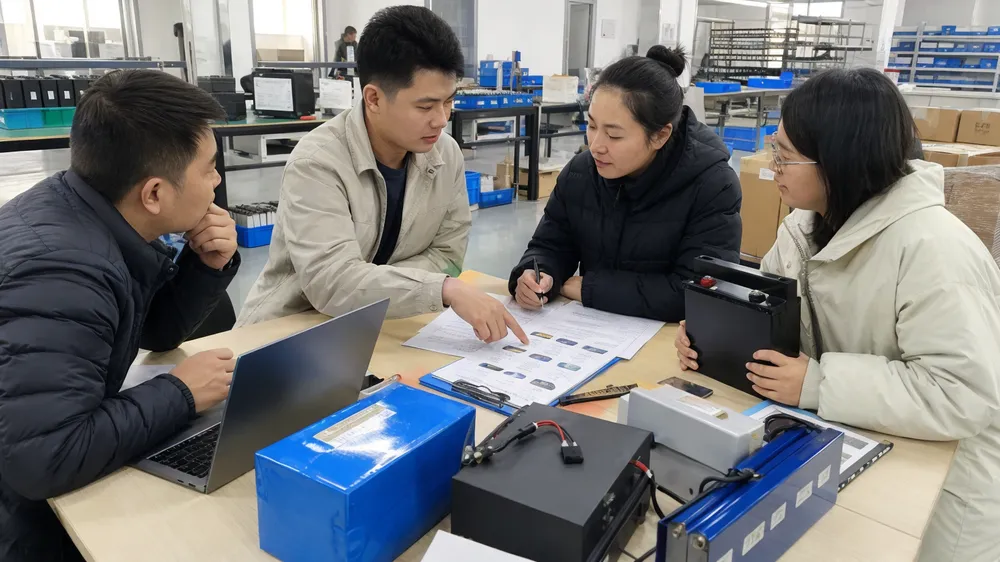
You've read the specs, chemistry options, and market fit. Here's what we need from you to return a technical recommendation and pricing as an off grid solar battery system manufacturer and off grid solar system supplier:
Information We Need From You
-
Voltage Platform 12V, 24V, or both
-
Capacity Target Ah per unit (or daily load in Wh and we'll size it)
-
Chemistry LiFePO4, gel, AGM, or "recommend based on my market"
-
Controller/Inverter Model Brand and model for compatibility confirmation
-
Application Solar home kit, telecom, agricultural, clinic, or describe your use case
-
Quantity Initial order and estimated annual volume
-
Branding EVANBattery standard label or your OEM brand
-
Destination Country For certification and shipping documentation planning
-
Reorder Expectation One-time project or ongoing distribution program
What You Receive Back
We respond with a configuration recommendation, unit pricing at your volume tier, packaging specification, and production timeline. No generic catalog — you get a quote built around your actual program.